

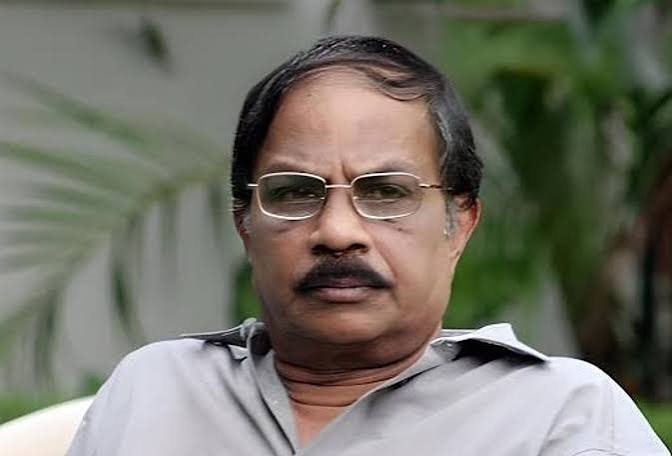
1. Introduction
Madath Thekkepaattu Vasudevan Nair (1933–2024), universally known simply as M. T., was a towering colossus of Indian literature and cinema. As one of the greatest Malayalam writers of the 20th century, his powerful prose deeply mirrored the socio-political transformations, cultural renaissance, and deep-seated nostalgia of rural Kerala. Whether dissecting the psychological decay of traditional joint family structures (taravadus) in his novels or revolutionizing Indian cinematic screenwriting with poetic realism, MT’s artistic footprint remains immortal.
2. Quick Facts
- Full Name: Madath Thekkepaattu Vasudevan Nair (M. T. Vasudevan Nair)
- Native Name: എം. ടി. വാസുദേവൻ നായർ (Malayalam)
- Date of Birth: July 15, 1933
- Place of Birth: Kudallur village, near Ponnani, Malabar District (now Palakkad district), Kerala, British India
- Nationality: Indian
- Occupation / Profession: Novelist, Short Story Writer, Screenwriter, Film Director, Journalist
- Field of Achievement: Malayalam Literature, Screenwriting, and Parallel Cinema
- Years Active: 1950s – 2024
3. Award Information (Focus: Jnanpith & Padma Honors)
- Award Name: Jnanpith Award (1995), Padma Bhushan (2005), and Padma Vibhushan (Posthumous, 2025)
- Award Category: Literature / Highest Civilian Honors
- Award Year: Jnanpith (1995); Padma Bhushan (2005); Padma Vibhushan (2025)
- Presented By: The President of India at Rashtrapati Bhavan
- Date of Ceremony: Conferred during respective national presentation cycles
- Citation / Official Reason: For lifelong, exceptional contributions to Indian literature, enriching the cultural ethos of the nation, and redefining the standards of artistic storytelling in prose and cinema.
4. Why Did He Receive the Award?
M. T. Vasudevan Nair received India’s highest literary and civilian recognitions—culminating in the Jnanpith Award (1995) and subsequent national honors—for his profound body of work. He was specifically honored for giving voice to the existential alienation, economic shifts, and intimate human dynamics of Kerala society, and for shaping a sophisticated cinematic language through legendary screenplays.
5. Early Life
Born in the rural village of Kudallur along the banks of the Bharathapuzha (Nila) river, MT grew up amidst the changing fortunes of a traditional, matrilineal joint family (tharavadu). The lush landscape of the Nila river valley, the stark realities of rural poverty, and the melancholic decline of feudal patriarchy became the foundational emotional bedrock and recurring settings for much of his iconic fiction.
6. Education
- Early Education: Completed his foundational schooling locally in Palakkad district.
- Higher Education: Graduated with a Bachelor of Science (B.Sc.) degree in Chemistry from Victoria College, Palakkad, in 1953. Though formally trained in the physical sciences, his prodigious literary instincts naturally drew him toward creative writing and journalism.
7. Career Journey
- Literary Breakthrough: Rose to national prominence when his early short story “Valarthumrigangal” won a joint world short-story competition held by Mathrubhumi and The New York Herald Tribune in 1954.
- Journalistic Stewardship: Joined the premier Malayalam weekly Mathrubhumi as a sub-editor in 1957, eventually serving as its editor for decades. In this role, he mentored and discovered an entire generation of emerging Malayalam writers.
- Cinematic Pioneer: Transitioned into films as a reluctant yet prolific scriptwriter and director, redefining Malayalam cinema through critically acclaimed masterpieces.
8. Major Achievements
- Magnum Opus – Randamoozham (1984): Published his monumental novel retelling the Mahabharata from the perspective of Bhima, universally hailed as a masterpiece of modern Indian fiction.
- Classic Novels: Authored path-breaking novels including Naalukettu (The Ancestral House, 1958), Asuravithu (1962), Manju (1964), and Kaalam (1969).
- National Film Awards: Won the National Film Award for Best Screenplay four times (for Oru Vadakkan Veeragatha, Kadavu, Sadayam, and Parinayam), alongside winning Best Feature Film/Direction for his self-directed classic Nirmalyam (1973).
9. Contribution to the Nation
MT bridged the gap between elite regional literature and mass cultural consciousness. His writings captured the soul of modern Kerala while addressing universal themes of loneliness, familial collapse, and human endurance. In cinema, he banished theatrical melodrama, introducing minimalist, deeply poetic screenwriting that established Malayalam parallel cinema as a national benchmark of artistic integrity.
10. Other Awards and Honours
- Kerala Sahitya Akademi Award: Multiple wins (Naalukettu, 1958; Swargam Thurakkunna Samayam, 1986)
- Kendra Sahitya Akademi Award: 1970 (for the novel Kaalam)
- Vayalar Award: 1985 (for Randamoozham)
- Jnanpith Award: 1995
- Padma Bhushan: 2005 (Government of India)
- J. C. Daniel Award: 2013 (Lifetime contribution to Malayalam cinema)
- Kerala Jyothi Award: 2022 (First edition of Kerala’s highest civilian state honor)
- Padma Vibhushan: 2025 (Posthumously conferred by the Government of India)
11. Legacy and Influence
M. T. Vasudevan Nair remains an institutional pillar of Malayalam cultural identity. His characters—often ordinary individuals grappling with internal psychological storms—live on in the collective memory of millions of readers. His editorial tenure at Mathrubhumi single-handedly shaped the modern literary landscape of Kerala, ensuring that intellectual rigor and narrative honesty remained paramount.
12. Interesting Facts
- The River Nila’s Muse: Almost every major narrative arc MT created is intrinsically tied to the cultural ecosystem of the Bharathapuzha river, which dried up in his later years—a tragedy he frequently mourned in his essays.
- A Reluctant Scenarist: Despite writing nearly 50 timeless film scripts that launched superstars like Mammootty and Mohanlal into acting royalty, MT initially viewed cinema as a commercial compromise before treating it as an independent visual art form.
- Dignity in Departure: True to his fiercely independent and unostentatious life, per his final wishes, no elaborate public state homage was conducted upon his passing.
13. Quotes
“Literature is not merely a reflection of reality; it is the writer’s inner dialogue with the silences of society.” — M. T. Vasudevan Nair
14. Timeline
- 1933: Born on July 15 in Kudallur, Kerala.
- 1958: Publishes his debut milestone novel, Naalukettu, winning the Kerala Sahitya Akademi Award.
- 1973: Directs Nirmalyam, winning the National Film Award for Best Feature Film.
- 1984: Publishes his epic myth-reimagining novel, Randamoozham.
- 1995: Conferred India’s highest literary honor, the Jnanpith Award.
- 2005: Awarded the Padma Bhushan by the Government of India.
- 2022: Honored with Kerala’s inaugural Kerala Jyothi state award.
- December 25, 2024: Passes away at the age of 91 in Kozhikode, Kerala.
- 2025: Posthumously conferred the Padma Vibhushan by the Government of India.
15. References
- Wikipedia – M. T. Vasudevan Nair Biography & Bibliography
- The Hindu & Indian Express – Archival Tributes and Complete Literary Coverage (December 2024)
- Government of India – Padma Awards Directory
- Kerala Sahitya Akademi – Awardee Archives
16. Related Personalities
- Thakazhi Sivasankara Pillai (Legendary Malayalam Novelist)
- Vaikom Muhammad Basheer (Iconic Malayalam Writer and Contemporary)
- Ramachandra Guha / M. Leelavathi (Prominent Literary Critics and Historians)
17. Frequently Asked Questions (FAQ)
- Q: Who was M. T. Vasudevan Nair?
- A: He was a legendary Indian author, novelist, and filmmaker widely regarded as one of the founding fathers of modern Malayalam literature and cinematic screenwriting.
- Q: What is his most famous literary work?
- A: His most celebrated masterpiece is Randamoozham (1984), which tells the story of the Mahabharata from Bhima’s perspective.
- Q: What major honors did he receive?
- A: He received the Jnanpith Award (1995), Padma Bhushan (2005), Kerala Jyothi (2022), and posthumously the Padma Vibhushan (2025).
About the Author




