

1. Introduction
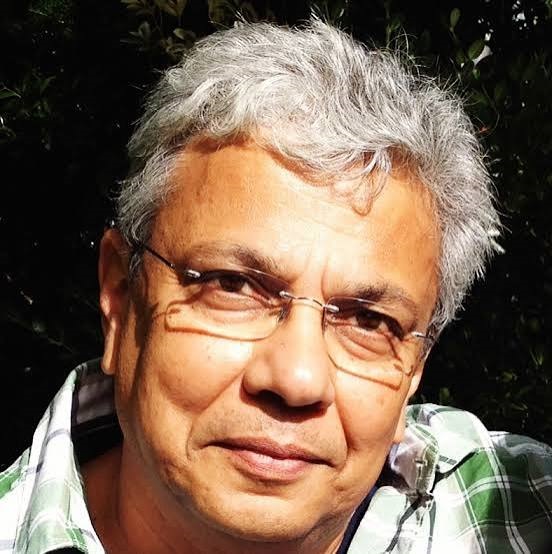
Professor Mrinal Datta Chaudhuri (1934–2015), popularly known in academic circles as “MDC,” was one of India’s most brilliant theoretical economists and institution builders. As a legendary pillar of the Delhi School of Economics (DSE), he belonged to that remarkable post-independence generation of globally acclaimed scholars who returned to India to build world-class academic infrastructure. Famed for his razor-sharp intellect, elegance, and profound insights into market failures and development planning, he left an indelible mark on modern economic thought.
2. Quick Facts
- Full Name: Mrinal Datta Chaudhuri (Popularly known as MDC)
- Native Name: মৃণাল দত্তচৌধুরী (Bengali)
- Date of Birth: January 4, 1934
- Place of Birth: Srigauri, Cachar district, Assam, British India
- Nationality: Indian
- Occupation / Profession: Theoretical Economist, Academician, Institution Builder
- Field of Achievement: Development Economics, Economic Theory, and Public Policy Analysis
- Years Active: 1950s – 2015
3. Award Information (Focus: Padma Bhushan)
- Award Name: Padma Bhushan
- Award Category: Literature and Education
- Award Year: 2005
- Presented By: The President of India at Rashtrapati Bhavan
- Date of Ceremony: Spring 2005
- Citation / Official Reason: For distinguished service of a high order and exceptional contributions to the fields of literature, education, and economic scholarship.
4. Why Did He Receive the Award?
Prof. Mrinal Datta Chaudhuri received the Padma Bhushan in recognition of his towering contributions to higher education and economic science in India. He was honored not only for his advanced theoretical research into development economics and state planning, but also for his decades of tireless work shaping the Delhi School of Economics into a globally respected institution.
5. Early Life
Born in Srigauri, Assam, in 1934, Datta Chaudhuri grew up during the closing years of British rule in India. Imbued with the intellectual curiosity and nationalistic fervor of post-independence idealism, he gravitated toward centers of artistic and intellectual excellence early in life, shaping an aesthetic worldview that combined a love for literature, fine arts, and rigorous social science.
6. Education
- Early Studies: Studied at Visva-Bharati University, Santiniketan, and Presidency College, Calcutta.
- Doctorate (Ph.D.): Secured an all-expenses-paid scholarship to the Massachusetts Institute of Technology (MIT), where he completed his Ph.D. under the supervision of Nobel Laureate Paul A. Samuelson, studying alongside future Nobel giants like Joseph Stiglitz and George Akerlof.
- Advanced Research: Also spent time as a member of the elite Institute for Advanced Study, Princeton.
7. Career Journey
- Return to India: Driven by post-independence nationalism, he returned to India, teaching briefly at Jadavpur University before being recruited by K.N. Raj to join the faculty at the Delhi School of Economics (DSE).
- Core DSE Stalwart: Spent decades as Professor of Economics at DSE, mentoring generations of brilliant economists and serving as a central pillar of the department during its golden era.
- Global Collaborations: Served as a visiting faculty member and researcher at various premier international universities, contributing extensively to South and Southeast Asian economic development studies.
8. Major Achievements
- Pioneering Scholarship on Market and State: Authored influential papers, including the widely cited Market Failure and Government Failure (1990), which explored the delicate economic balance between public regulation and private enterprise.
- Global Academic Peer Group: Counted among the finest minds of his generation at MIT alongside Nobel laureates, holding his own among the architects of modern economic theory.
- Master Institution Builder: Alongside peers like Amartya Sen and Jagdish Bhagwati, he cemented DSE’s reputation as South Asia’s premier center for economic learning.
9. Contribution to the Nation
Prof. Datta Chaudhuri helped steer India’s intellectual discourse away from dogmatic central planning toward a more nuanced, pragmatic understanding of market mechanisms and institutional limitations. By training top-tier economists, bureaucrats, and policy advisors who passed through the halls of the Delhi School of Economics, his indirect influence on India’s economic reforms and institutional framework has been profound.
10. Other Awards and Honours
- Padma Bhushan: 2005 (Government of India)
- Member, Institute for Advanced Study, Princeton: Recognized for high-level theoretical contributions.
- Professor Emeritus / Honored Fellowships: Conferred multiple academic accolades by premier economic bodies across India and abroad.
11. Legacy and Influence
To those who knew him, “MDC” was more than an economist—he was an institution, a charismatic intellectual, and an unyielding stickler for elegance in thought, prose, and appearance. His legacy endures through the rigorous analytical standards he instilled at DSE and his pioneering writings on why both states and markets occasionally fail to deliver optimal public goods.
12. Interesting Facts
- The “DSE Heartthrob”: Known for his striking elegance, sharp wit, and trademark style, he famously drove a Volkswagen Beetle, around which university folklore and student admiration naturally orbited.
- The MIT Apprenticeship: Selected alongside future Nobel laureates to work closely with economic master Hirofumi Uzawa—an experience likened to being chosen as an apprentice by Leonardo da Vinci.
- Zero Tolerance for Inelegance: Colleagues often recalled that MDC had a profound aversion to “pompous bores” or sloppy thinking, maintaining razor-sharp intellectual honesty in every debate.
13. Quotes
“Economic planning is not just about crunching numbers; it requires an acute structural understanding of where market mechanisms break down and where state interventions falter.” — Prof. Mrinal Datta Chaudhuri
14. Timeline
- 1934: Born on January 4 in Srigauri, Assam.
- 1950s–60s: Studies at Santiniketan, Presidency College, and completes his Ph.D. at MIT under Paul Samuelson.
- 1960s onward: Joins the Delhi School of Economics as Professor of Economics, building its legacy.
- 1990: Publishes his landmark essay Market Failure and Government Failure.
- 2005: Conferred the Padma Bhushan by the Government of India.
- May 19, 2015: Passes away at the age of 81 in Pune, Maharashtra.
15. References
- Wikipedia – Mrinal Datta Chaudhuri Profile & Bibliography
- The Hindu & The Indian Express – Obituary and Tributes (May 2015)
- The Wire – Remembering MDC, Economist, Teacher and Institution Builder (Omkar Goswami)
- Government of India – Padma Awards Directory
16. Related Personalities
- Paul A. Samuelson (Nobel Laureate & MIT Mentor)
- Amartya Sen (Colleague and Nobel Laureate Economist)
- K. N. Raj (Legendary Economist and Founder of CDE/DSE)
- Sukhamoy Chakravarty (Prominent Indian Planner and Economist)
17. Frequently Asked Questions (FAQ)
- Q: Who was Mrinal Datta Chaudhuri?
- A: He was an eminent Indian theoretical economist, academician, and long-time professor at the Delhi School of Economics, popularly known as “MDC”.
- Q: What are his most notable academic contributions?
- A: He is widely recognized for his research on development economics, market structures, and his influential 1990 paper on Market Failure and Government Failure.
- Q: What major civilian award did he receive?
- A: He was awarded the Padma Bhushan in 2005 by the Government of India for his contributions to literature and education.
About the Author




