

1. Introduction
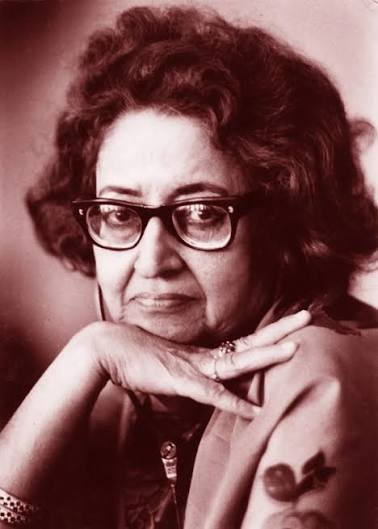
Qurratulain Hyder (1927–2007), affectionately known as “Ainee Apa,” was one of the most towering figures in 20th-century Indian literature. Celebrated as the grand dame of Urdu fiction, she revolutionized the genre by introducing stream-of-consciousness techniques, deep historical perspective, and sweeping epic narratives. Her magnum opus, Aag Ka Darya (River of Fire), remains a monumental milestone in South Asian literature, chronicling centuries of Indian civilization, cultural synthesis, and the profound trauma of the Partition.
2. Quick Facts
- Full Name: Qurratulain Hyder
- Native Name: قرۃ العین حیدر (Urdu)
- Date of Birth: January 20, 1927
- Place of Birth: Aligarh, United Provinces, British India
- Nationality: Indian
- Occupation / Profession: Novelist, Short Story Writer, Journalist, Translator, Academic
- Field of Achievement: Urdu Literature, Modern Fiction, and Cultural Journalism
- Years Active: 1940s – 2007
3. Award Information (Focus: Jnanpith Award & Padma Bhushan)
- Award Name: Jnanpith Award (1989) & Padma Bhushan (2005)
- Award Category: Literature / Highest Literary Honors
- Award Year: Jnanpith Award (1989) and Padma Bhushan (2005)
- Presented By: The President of India at Rashtrapati Bhavan
- Date of Ceremony: Conferred during respective national presentation cycles
- Citation / Official Reason: For exceptional and distinguished contributions to Indian literature, enriching the cultural fabric of the nation through epic historical prose.
4. Why Did He / She Receive the Award?
Qurratulain Hyder received India’s highest literary honor, the Jnanpith Award, in 1989, followed by the Padma Bhushan in 2005, in recognition of her peerless literary output. She was honored for her sweeping epics that explored human destiny, the socio-cultural evolution of the Indian subcontinent, and the poignant psychological dislocations caused by historical upheavals, most notably the Partition.
5. Early Life
Born in Aligarh in January 1927 into an exceptionally distinguished and literary family, Qurratulain Hyder was steeped in letters from birth. Her father, Sajjad Hyder Yildirim, was a pioneer of modern Urdu short stories, and her mother, Nazra Sajjad Hyder, was also a prominent writer. Growing up on the campus of Aligarh Muslim University amidst iconic intellectuals, poets, and freedom fighters, she developed a sophisticated, cosmopolitan aesthetic early in life.
6. Education
- Early Education: Completed her schooling in Lucknow, where her family later moved.
- University Degree: Graduated from Indraprastha College for Women, Delhi, earning her Bachelor of Arts.
- Postgraduate Studies: Pursued advanced literary studies at Lucknow University, sharpening her command over English and Urdu literature, history, and aesthetics.
- Global Exposure: Later traveled to the United Kingdom to study at The University of London (Bedford College), immersing herself in Western classical literature and art history.
7. Career Journey
- Journalistic Roots: In the late 1940s, she worked as a journalist and broadcaster, contributing to various progressive publications.
- The Post-Partition Move & Return: Following the Partition, she briefly moved to Pakistan in 1947 due to family circumstances, working as a journalist and editor for Imroze and Pakistan Standard. However, deeply disillusioned by the cultural divide and yearning for her civilizational roots, she permanently returned to India in 1951.
- Academic & Editorial Roles: Served as a professor and writer-in-residence at several universities, including Aligarh Muslim University and Jamia Millia Islamia, and edited prestigious literary journals like Ajkal.
8. Major Achievements
- Magnum Opus – Aag Ka Darya (1959): Published her masterpiece, which spans over two and a half millennia of Indian history—from the Buddhist era to post-independent India—exploring the continuity of the subcontinent’s composite culture.
- Jnanpith Award (1989): Conferred India’s highest literary award, making her only the fourth Urdu writer to receive the honor.
- Sahitya Akademi Award (1967): Won for her classic collection of short stories, Patjhar Ki Awaz (The Sound of Falling Leaves).
9. Contribution to the Nation
Qurratulain Hyder rescued Urdu fiction from narrow regional or parochial boundaries, infusing it with a vast civilizational consciousness. Her works fiercely championed India’s Ganga-Jamuni tehzeeb (composite culture), secularism, and historical memory. By documenting the trauma of Partition with profound empathy and historical depth, she helped heal and articulate the collective conscience of South Asia.
10. Other Awards and Honours
- Sahitya Akademi Award: 1967 (for Patjhar Ki Awaz)
- Soviet Land Nehru Award: 1969
- Ghalib Award: 1985
- Jnanpith Award: 1989
- Padma Shri: 1984 (Government of India)
- Padma Bhushan: 2005 (Government of India)
- Sahitya Akademi Fellowship: 1994 (The highest honor conferred by the Akademi)
11. Legacy and Influence
Revered as the “Jane Austen of Urdu literature” (though her canvas was vastly more epic and historical), Hyder’s influence on contemporary South Asian fiction is profound. Authors across languages look up to her stylistic sophistication, command over language, and fearless exploration of complex socio-political realities.
12. Interesting Facts
- Writing Across Languages: While she wrote primarily in Urdu, she often translated her own major novels (like Aag Ka Darya into English as River of Fire) with equal lyrical brilliance.
- A Life Unbound by Convention: Unmarried and fiercely independent, Ainee Apa lived life entirely on her own intellectual terms, maintaining a sharp wit, an aristocratic grace, and an uncompromising dedication to art.
- The Banned Masterpiece: Aag Ka Darya faced political controversy and censorship in both India and Pakistan upon its publication due to its unflinching critique of Partition politics, before being universally recognized as a modern classic.
13. Quotes
“Memory is a strange city where time collapses, and past, present, and future coexist in a single breath.” — Qurratulain Hyder
14. Timeline
- 1927: Born on January 20 in Aligarh, British India.
- 1951: Returns permanently to India from Pakistan, dedicating her life to Indian literature.
- 1959: Publishes her epoch-making novel, Aag Ka Darya (River of Fire).
- 1967: Wins the Sahitya Akademi Award for Patjhar Ki Awaz.
- 1984: Conferred the Padma Shri by the Government of India.
- 1989: Receives the prestigious Jnanpith Award.
- 2005: Awarded the Padma Bhushan by the President of India.
- August 21, 2007: Passes away at the age of 80 in Noida, Uttar Pradesh.
15. References
- Wikipedia – Qurratulain Hyder Biography & Bibliography
- Sahitya Akademi – Fellowship Archives & Awardee Directory
- The Hindu & Frontline – Literary Tributes and Archival Profiles
- Government of India – Padma Awards Directory
16. Related Personalities
- Sajjad Hyder Yildirim (Father and Pioneer of Urdu Prose)
- Ismat Chughtai (Renowned Urdu Writer Contemporary)
- Saadat Hasan Manto (Contemporary Urdu Short Story Master)
- Intizar Husain (Prominent Urdu Novelist and Partition Chronicler)
17. Frequently Asked Questions (FAQ)
- Q: Who was Qurratulain Hyder?
- A: She was an iconic Indian Urdu novelist and journalist, celebrated as one of the most important voices in modern South Asian literature.
- Q: What is her most famous novel?
- A: Her most famous masterpiece is Aag Ka Darya (River of Fire), which traces 2,500 years of Indian history and culture.
- Q: What major awards did she receive?
- A: She received the Sahitya Akademi Award (1967), Padma Shri (1984), Jnanpith Award (1989), and the Padma Bhushan (2005).
About the Author




