1. Introduction
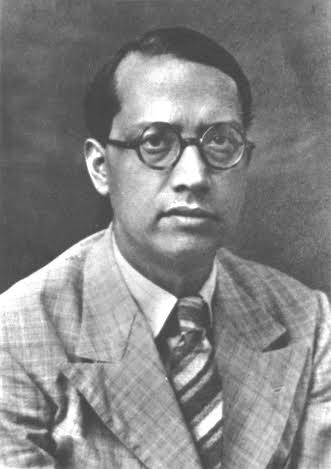
Professor Sukumar Sen (1900–1992) was an iconic Indian linguist, philologist, and historian of Bengali literature. Deeply versed in Pali, Prakrit, Sanskrit, and historical Indo-Aryan linguistics, he fundamentally shaped the study of Indian languages. As the second Khaira Professor of Comparative Philology at the University of Calcutta and the author of monumental works like Bangla Sahityer Itihas, Sen’s scholarly footprint remains foundational to South Asian linguistics and literary history.
2. Quick Facts
- Full Name: Sukumar Sen
- Native Name: সুকুমার সেন (Bengali)
- Date of Birth: January 16, 1900
- Place of Birth: Gotan village, Purba Bardhaman district, Bengal Presidency, British India (now West Bengal, India)
- Nationality: Indian
- Occupation/Profession: Linguist, Philologist, Academic, Author, Historian
- Field of Achievement: Comparative Philology, Historical Linguistics, and Bengali Literary History
- Years Active: 1923–1992
3. Award Information (Padma Bhushan)
- Award Name: Padma Bhushan
- Award Category: Civil Honour (Third-highest civilian award in India)
- Award Year: 1990
- Presented By: Government of India
- Date of Ceremony: 1990 (Rashtrapati Bhavan, New Delhi)
- Citation/Official Reason: Recognized for distinguished and exceptional contributions to literature, education, and linguistics.
- Previous Recipients: Eminent scholars, artists, and public servants of prior cycles.
- Next Recipients: Subsequent civilian laureates in the following years.
4. Why He Received the Award
Professor Sen was honored with the Padma Bhushan and other high distinctions for his lifelong, pioneering research into the genealogy of Indian languages and his monumental documentation of Bengali literary history. His work provided scientific rigor to the study of Indo-Aryan languages and safeguarded the literary heritage of eastern India.
5. Early Life
Sukumar Sen was born on January 16, 1900, into a prominent Kayastha family in Gotan, near Shyamsundar in the Burdwan region of Bengal. His father, Harendra Nath Sen, was a lawyer. Growing up in a culturally rich rural-urban environment, Sen developed an early and intense fascination with classical languages, grammar, and literature.
6. Education
- Schooling: Burdwan Municipal High School, graduating in 1917.
- Intermediate (F.A.): Burdwan Raj College (affiliated with the University of Calcutta) in 1919.
- Undergraduate: Government Sanskrit College, Kolkata, where he earned first-class honors in Sanskrit in 1921 with a divisional scholarship.
- Postgraduate: University of Calcutta, where he specialized in Comparative Philology, scoring the highest marks in 1923 under legendary teachers like Suniti Kumar Chatterji and Irach Jehangir Sorabji Taraporewala. He later secured a prestigious Premchand Roychand Scholarship and earned his Ph.D.
7. Career Journey
- 1930: Joined the University of Calcutta as a lecturer in the Department of Comparative Philology.
- 1954: Appointed as the second Khaira Professor in Comparative Philology (succeeding his mentor Suniti Kumar Chatterji), turning the department into a global magnet for linguistics research.
- 1964: Retired from active university teaching after serving for 34 continuous years, though he continued writing and researching for decades after.
8. Major Achievements
- Monumental Histories: Authored Bangla Sahityer Itihas (History of Bengali Literature, 5 Volumes), commended by Rabindranath Tagore and prefaced by Jawaharlal Nehru.
- Historical Linguistics: Published Bhashar Itibritta (1939), the first book in Bengali on Indo-Aryan and Indo-European historical linguistics, in which he notably postulated Jharkhandi as the fifth dialect of Bengali.
- Lexicography: Compiled The Etymological Dictionary of Bengali (2 volumes, 1971), one of the most exhaustive works on historical etymology in any Indian language.
9. Contribution to the Nation
Prof. Sen laid down the rigorous structural and historical frameworks through which modern Indian languages are understood today. By tracing the evolution of Old Indo-Aryan syntax, Middle Indo-Aryan, and regional dialects, he legitimized vernacular languages as subjects of serious scientific inquiry, preserving the historical continuity of Indian civilization.
10. Other Awards and Honours
- Jubilee Gold Medal (1984): Awarded by the Royal Asiatic Society of London—making him the first Asian to receive this prestigious honor.
- Rabindra Puraskar (1963)
- Ananda Puraskar (1966, 1984)
- Vidyasagar Puraskar (1981)
- Desikottam (1982) by Visva-Bharati University
- Honorary Fellow of the Sahitya Akademi (1973)
11. Legacy and Influence
Prof. Sen’s legacy extends far beyond academia. He was a polymath who wrote not only heavy academic treatises on syntax and grammar but also ventured into popular writing, children’s literature, mythology, and even horror and crime fiction (compiled posthumously in Galpa Samgraha). An educational institution, Acharya Sukumar Sen Mahavidyalaya in Gotan, has also been established in his honor.
12. Interesting Facts
- First Asian Laureate: He made history in 1984 by becoming the very first Asian scholar to be awarded the Jubilee Gold Medal by the Royal Asiatic Society of London.
- Literary Approval: Rabindranath Tagore was so deeply impressed by his manuscript for Bangla Sahityer Itihas that he personally wrote the preface for it.
- Diverse Penchant: While known globally for dry, heavy philology, Sen had a sharp creative streak, penning engaging detective and crime stories under varied themes.
13. Quotes
“Languages do not merely belong to grammar; they are the living archives of human thought, carrying the footprint of every civilization they pass through.” — Sukumar Sen (paraphrased from his historical linguistic essays)
14. Timeline
- 1900: Born on January 16 in Gotan, Bengal.
- 1923: Tops the Comparative Philology examinations at the University of Calcutta.
- 1930: Joins the University of Calcutta faculty as a lecturer.
- 1939: Publishes landmark texts Bangla Sahityer Itihas and Bhashar Itibritta.
- 1954: Appointed Khaira Professor of Comparative Philology.
- 1984: Awarded the Jubilee Gold Medal by the Royal Asiatic Society of London.
- 1990: Conferred the Padma Bhushan by the Government of India.
- 1992: Passed away on March 3 at the age of 92.
15. References
- Wikipedia contributors, “Sukumar Sen (linguist),” Wikipedia, The Free Encyclopedia.
- Acharya Sukumar Sen College Official Portal – About Acharya Sukumar Sen.
- Archives of the University of Calcutta, Department of Linguistics.
16. Related Personalities
- Suniti Kumar Chatterji: Legendary Indian linguist, educator, and Sen’s primary mentor at the University of Calcutta.
- Irach Jehangir Sorabji Taraporewala: Noted comparative philologist and early teacher of Prof. Sen.
- Rabindranath Tagore: Nobel laureate who wrote the preface for Sen’s seminal literary history.
17. Frequently Asked Questions (FAQ)
- Q: Who was Sukumar Sen?
- A: Sukumar Sen was a renowned Indian linguist, philologist, and historian of Bengali literature.
- Q: What is Professor Sukumar Sen most famous for?
- A: He is best known for his monumental five-volume work Bangla Sahityer Itihas (History of Bengali Literature) and pioneering work in Indo-Aryan historical linguistics.
- Q: Did he receive any international honors?
- A: Yes, he became the first Asian to receive the Jubilee Gold Medal from the Royal Asiatic Society of London in 1984.
- Q: Is he the same Sukumar Sen who was India’s first Chief Election Commissioner?
- A: No. That was Sukumar Sen (1898–1963), a distinguished civil servant, whereas the linguist (1900–1992) was an academic and scholar of languages.
About the Author