Introduction
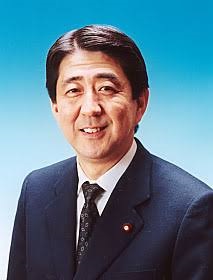
Shinzo Abe was one of Japan’s most influential political leaders and the country’s longest-serving Prime Minister. Known for his economic policies, diplomatic leadership, and efforts to strengthen Japan’s international partnerships, he played an important role in shaping modern Japanese politics.
Shinzo Abe received the Padma Vibhushan award in 2021 (posthumously) from the Government of India for his exceptional contribution to Public Affairs and for strengthening India–Japan relations.
Early Life
Birth Date and Death
- Full Name: Shinzo Abe
- Date of Birth: September 21, 1954
- Place of Birth: Tokyo, Japan
- Date of Death: July 8, 2022
- Age at Death: 67 years
Shinzo Abe was born into a prominent political family in Japan. His grandfather and father were also involved in politics, which influenced his interest in public service from an early age.
Education and Career
Education
- Shinzo Abe studied political science at Seikei University.
- He later studied public policy at University of Southern California.
His education helped him develop an understanding of international relations, economics, and governance.
Political Career Journey
- Shinzo Abe joined the Japanese political world through the Liberal Democratic Party of Japan (LDP).
- He became a Member of the House of Representatives in 1993.
- He served as Chief Cabinet Secretary before becoming Prime Minister.
- He became the Prime Minister of Japan for the first time in 2006.
- He returned as Prime Minister in 2012 and served until 2020.
He became Japan’s longest-serving Prime Minister, leading the country through major economic and diplomatic changes.
Why Did Shinzo Abe Receive the Padma Vibhushan Award?
Shinzo Abe received the Padma Vibhushan in 2021 (posthumously), India’s second-highest civilian award, for his exceptional contribution to Public Affairs.
The award recognized:
- His efforts in strengthening India–Japan strategic relations.
- His role in promoting economic and security cooperation between the two countries.
- His support for the concept of a free and open Indo-Pacific region.
- His contribution to friendship and cooperation between India and Japan.
- His leadership in global diplomacy.
Career and Achievements
1. Strengthening India–Japan Relations
Shinzo Abe played a major role in deepening ties between India and Japan through:
- Increased economic cooperation.
- Infrastructure partnerships.
- Defence and security collaboration.
- Cultural and diplomatic exchanges.
His friendship with Indian leaders helped create a stronger strategic partnership between the two nations.
2. Economic Policies – “Abenomics”
Abe introduced a set of economic policies known as “Abenomics”, which focused on:
- Monetary reforms.
- Government spending.
- Economic growth strategies.
- Encouraging investment and business development.
3. Foreign Policy Leadership
During his leadership, Japan expanded partnerships with countries across the world. He promoted cooperation in areas such as:
- Regional security.
- Trade.
- Technology.
- International diplomacy.
4. Longest-Serving Prime Minister
Shinzo Abe became Japan’s longest-serving Prime Minister, reflecting his significant influence on Japanese politics.
Field of Achievements
Shinzo Abe’s major fields of contribution include:
- Politics and Governance
- International Relations
- Economic Policy
- Diplomacy
- India–Japan Strategic Cooperation
Awards and Honours
Major awards and recognitions received by Shinzo Abe include:
- Padma Vibhushan (2021, Posthumous) – For exceptional contribution to public affairs.
- Various international honours recognizing his leadership and diplomatic contributions.
- Recognition for strengthening global partnerships and international cooperation.
Interesting Facts About Shinzo Abe
- He was Japan’s longest-serving Prime Minister.
- He was the first Japanese Prime Minister born after World War II.
- His political career was influenced by his family’s long history in government.
- He played a key role in promoting the Quad partnership involving India, Japan, the United States, and Australia.
- He was known for his close friendship with India and support for stronger bilateral relations.
- His book “Towards a Beautiful Country” described his political vision and ideas.
Legacy and Inspiration
Shinzo Abe’s legacy is remembered through his efforts to modernize Japan’s economy, strengthen international partnerships, and promote regional cooperation.
His leadership demonstrated the importance of diplomacy, strategic thinking, and building relationships between nations. His efforts to strengthen India–Japan friendship remain an important part of his global legacy.
Contribution to the Nation
Shinzo Abe contributed to Japan by:
- Leading Japan through economic and political reforms.
- Strengthening national security and foreign relations.
- Promoting innovation and economic development.
- Enhancing Japan’s role in international affairs.
- Building stronger partnerships with countries around the world.
Contribution to India–Japan Relations
Shinzo Abe made important contributions to India by:
- Supporting major infrastructure projects and investments in India.
- Strengthening defence and strategic cooperation.
- Promoting closer cultural and economic ties.
- Supporting the vision of a free and open Indo-Pacific.
- Building a strong personal and diplomatic relationship with Indian leadership.
Conclusion
Shinzo Abe was a remarkable Japanese leader whose influence extended beyond his country’s borders. Through his economic policies, diplomatic initiatives, and efforts to strengthen international partnerships, he left a lasting impact on global politics. The Padma Vibhushan award recognized his outstanding contribution to public affairs and his important role in strengthening the friendship between India and Japan. His legacy continues to inspire leaders around the world.
About the Author