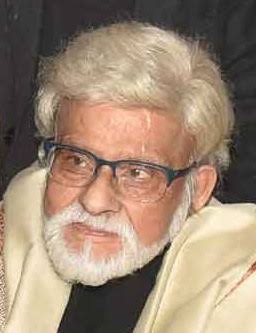
Introduction
Satish Gujral was one of India’s most celebrated artists, architects, writers, and sculptors. He was known for his creativity and excellence in multiple fields, including painting, sculpture, architecture, mural art, and literature. His unique artistic style reflected India’s history, culture, and social experiences. For his outstanding contribution to art and architecture, he was honoured with the Padma Vibhushan, one of India’s highest civilian awards.
Early Life
Satish Gujral was born on 25 December 1925 in Jhelum, Punjab (now in Pakistan).
At a young age, he suffered from a serious illness that affected his hearing. Despite this challenge, he developed a strong interest in drawing, painting, and creative expression.
The partition of India in 1947 deeply influenced his artistic vision. His experiences of displacement and human suffering became important themes in many of his artworks.
He passed away on 26 March 2020 in New Delhi, India, at the age of 94.
Education and Career
Satish Gujral studied art at the prestigious Sir J. J. School of Art, Mumbai. Later, he received a scholarship to study at the Palacio de Bellas Artes in Mexico, where he learned modern artistic techniques.
During his career, he worked in various creative fields:
- Painting
- Sculpture
- Architecture
- Mural design
- Writing
He became one of the leading figures of modern Indian art and architecture.
Career and Achievements
1. Painting and Visual Arts
Satish Gujral created thousands of paintings that explored themes such as:
- Human emotions.
- Indian history.
- Partition experiences.
- Social struggles.
- Cultural identity.
His artworks were displayed in galleries and exhibitions around the world.
2. Sculpture
He created large-scale sculptures using materials such as metal, wood, and stone. His sculptures combined traditional Indian influences with modern artistic ideas.
3. Architecture
Satish Gujral was also a respected architect. One of his most famous works is the design of the Belgian Embassy in New Delhi, which received international appreciation for its innovative style.
4. Literature
Apart from visual arts, he was also a writer and poet. He wrote about art, creativity, and his personal experiences.
Why Did Satish Gujral Receive the Padma Vibhushan Award?
Satish Gujral received the Padma Vibhushan in 1999 for his exceptional contribution to art.
The award recognized:
- His outstanding achievements in painting and sculpture.
- His contribution to modern Indian architecture.
- His influence on Indian cultural and artistic development.
- His lifelong dedication to creativity and innovation.
His work helped bring Indian art to international attention.
Field of Achievements
Satish Gujral contributed significantly in the following fields:
1. Painting
He was a pioneer of modern Indian painting and created artworks inspired by Indian culture and history.
2. Sculpture
His innovative sculptures added a new dimension to Indian contemporary art.
3. Architecture
He designed important buildings that combined functionality with artistic expression.
4. Literature
He contributed through writings and reflections on art and life.
Awards and Honours
Major awards and recognitions received by Satish Gujral include:
- Padma Vibhushan (1999) – India’s second-highest civilian award.
- Padma Shri (1974) – For his contribution to art.
- Padma Bhushan (1999) – For his achievements in art and architecture.
- National Award for Painting.
- Several national and international honours for artistic excellence.
Interesting Facts About Satish Gujral
- He was the younger brother of former Indian Prime Minister Inder Kumar Gujral.
- He overcame hearing difficulties to become one of India’s greatest artists.
- He worked successfully in four different creative fields: painting, sculpture, architecture, and writing.
- His artworks were exhibited internationally.
- He designed the famous Belgian Embassy building in New Delhi.
Legacy and Inspiration
Satish Gujral’s life is an example of creativity, determination, and resilience. Despite personal challenges, he achieved excellence through dedication and imagination.
His artistic journey inspires young artists to explore creativity without limitations and to use art as a way to express ideas, emotions, and cultural identity.
Contribution to the Nation
Satish Gujral’s major contributions to India include:
- Promoting modern Indian art on national and international platforms.
- Creating important paintings, sculptures, and architectural works.
- Preserving and expressing Indian cultural identity through art.
- Inspiring generations of artists and architects.
- Enriching India’s cultural heritage.
Conclusion
Satish Gujral was a visionary artist and architect whose creativity left a lasting impact on Indian culture. His achievements in painting, sculpture, architecture, and literature made him one of India’s most respected creative personalities. The Padma Vibhushan award recognized his extraordinary contribution to art and his role in shaping modern Indian artistic expression. His legacy continues to inspire artists and creative thinkers around the world.
About the Author