
Early Life and Education
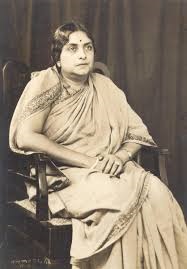
Rukmini Lakshmipathi was born on 6 December 1892 in Madras (now Chennai), Tamil Nadu, into a prosperous and socially influential family. Her father, Srinivasa Rao, encouraged education and social awareness, which played a significant role in shaping her future ideals.
At a time when higher education for women was uncommon, Rukmini Lakshmipathi pursued formal studies and developed a keen interest in public affairs, social reform, and the growing nationalist movement. The principles of patriotism and service deeply influenced her during her youth.
Education & Skills
Education
- Received her early education in Madras.
- Graduated from Presidency College, Chennai, becoming one of the early women graduates of the institution.
- Continued to engage in self-education through reading, public service, and political participation.
Skills
Rukmini Lakshmipathi possessed a wide range of abilities that enabled her to excel as a freedom fighter and public leader:
- Leadership and Administration: Demonstrated exceptional organizational and decision-making skills.
- Public Speaking: Delivered inspiring speeches supporting the nationalist cause and women’s participation in public life.
- Political Acumen: Played a prominent role in legislative activities during the pre- and post-independence periods.
- Social Reform Advocacy: Worked toward women’s education and empowerment.
- Community Mobilization: Encouraged women to actively participate in the freedom movement.
Contribution to Tamil Literature
Rukmini Lakshmipathi was not primarily known as a literary figure; however, she contributed to Tamil intellectual and social thought through her speeches, writings, and advocacy.
Literary and Cultural Contributions
- Promoted awareness about women’s rights and education through public addresses and articles.
- Encouraged women to participate in social and political discussions, thereby broadening the scope of Tamil public discourse.
- Supported the spread of nationalist ideals through Tamil-language platforms and organizations.
- Inspired writers and activists who highlighted the role of women in India’s struggle for independence.
Although she did not author major literary works, her contributions enriched the social and political environment that influenced Tamil literature during the nationalist era.
Role in India’s Freedom Movement
Rukmini Lakshmipathi played a pioneering role in India’s independence movement and emerged as one of Tamil Nadu’s foremost women freedom fighters.
Participation in the Salt Satyagraha
- Joined the Salt Satyagraha launched by Mahatma Gandhi.
- Participated in the Vedaranyam Salt March led by C. Rajagopalachari in Tamil Nadu during 1930.
- Became the first woman from the Madras Presidency to be imprisoned for participating in the Civil Disobedience Movement.
Political Contributions
- Served as a member of the Indian National Congress.
- Actively campaigned for national unity, self-rule, and social reform.
- Encouraged greater participation of women in nationalist activities and public life.
Legislative Leadership
- Elected to the Madras Legislative Assembly.
- In 1937, she became the first woman Deputy Speaker of the Madras Legislative Assembly, marking an important milestone in Indian political history.
- Later served as the Minister for Public Health in the Madras Presidency government.
Her achievements demonstrated that women could play influential roles both in the freedom struggle and in governance.
Personal Life
Rukmini Lakshmipathi married Dr. Achanta Lakshmipathi, a renowned physician and advocate of Indian systems of medicine. The couple shared a commitment to public service and nationalist ideals.
Despite the responsibilities of family life, she remained deeply involved in political activism and social welfare initiatives.
She was known for:
- Dedication to the cause of Indian independence.
- Advocacy for women’s advancement.
- Compassion toward marginalized communities.
- Integrity and commitment to public service.
Her life inspired many women to step beyond traditional boundaries and contribute to nation-building.
Death
Rukmini Lakshmipathi passed away on 6 August 1951 in Chennai at the age of 58.
Her death was widely mourned by political leaders, social reformers, and citizens who recognized her immense contributions to India’s freedom struggle and the advancement of women in public life.
Several institutions and public spaces in Tamil Nadu continue to commemorate her legacy.
Conclusion
Rukmini Lakshmipathi stands as one of the most remarkable women leaders of India’s freedom movement. Through her courage, leadership, and unwavering commitment to justice, she broke social barriers and paved the way for greater participation of women in politics and public service.
Although her direct contribution to Tamil literature was limited, her influence on Tamil society was profound. By championing education, equality, and national freedom, she helped shape a more inclusive and progressive society.
Her life remains a powerful example of patriotism, resilience, and service. As a freedom fighter, legislator, and advocate for women’s empowerment, Rukmini Lakshmipathi’s legacy continues to inspire generations across India.
About the Author