

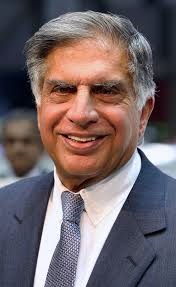
1. Introduction
Ratan Naval Tata was an iconic Indian industrialist, philanthropist, and former chairman of the Tata Group. A titan of modern business history, he transformed a traditional Indian conglomerate into a globally respected powerhouse with operations across over 100 countries. More than his corporate triumphs, he is revered globally for his unparalleled integrity, deep humility, and a lifelong commitment to ethical capitalism, making him one of the most beloved figures of our time.
2. Quick Facts
- Full Name: Ratan Naval Tata
- Native Name: രത്തൻ ടാറ്റ (Malayalam), ரத்தன் டாடா (Tamil) — widely recognized globally by his English name
- Date of Birth: December 28, 1937
- Place of Birth: Bombay (now Mumbai), Maharashtra, India
- Nationality: Indian
- Occupation / Profession: Industrialist, Philanthropist, Investor
- Field of Achievement: Business Administration, Corporate Leadership, and Social Welfare
- Years Active: 1962–2024
3. Award Information (Focus: Padma Vibhushan)
- Award Name: Padma Vibhushan
- Award Category: Trade and Industry
- Award Year: 2008
- Presented By: Government of India (President of India)
- Date of Ceremony: March/April 2008 (Rashtrapati Bhavan, New Delhi)
- Citation / Official Reason: For exceptional and distinguished service to Indian trade, industry, and the nation’s economic development.
- Previous Recipients (Examples): Prominent corporate pioneers, scientists, and statesmen.
- Next Recipients: Succeeding batches of national icons in subsequent civilian award lists.
4. Why He Received the Award
Ratan Tata received the Padma Vibhushan (India’s second-highest civilian honor) for his revolutionary stewardship of the Tata Group. Under his leadership from 1991 to 2012, the group’s revenues multiplied manifold, driven by bold international acquisitions (such as Tetley, Corus, and Jaguar Land Rover) and pathbreaking indigenous innovations like the Tata Nano. Crucially, he anchored business growth firmly on the bedrock of corporate governance, transparency, and public welfare.
5. Early Life
Born on December 28, 1937, into the prominent Parsi family of naval and corporate leaders, Ratan Tata experienced a challenging childhood marked by the separation of his parents when he was young. He was subsequently raised and deeply influenced by his grandmother, Lady Navajbai Tata. Growing up with a quiet, observant, and introverted disposition, he developed an early affinity for architecture, engineering, and machines.
6. Education
- Completed his schooling at the Campione School in Mumbai and the Cathedral and John Connon School.
- Moved to the United States to attend Cornell University, where he graduated with a Bachelor’s degree in Architecture in 1962.
- Later completed the Advanced Management Program at Harvard Business School in 1975.
7. Career Journey
- Ground-Level Roots (1962): Returned to India and began his career on the shop floor of Tata Steel in Jamshedpur, shoveling limestone and working alongside regular laborers to understand the business from the bottom up.
- Turnaround Challenges: Successfully turned around struggling subsidiaries like National Radio & Electronics Company (NELCO) during the 1970s.
- Chairman of Tata Sons (1991): Succeeded J.R.D. Tata as chairman just as India embarked on major economic liberalization. He restructured the sprawling conglomerate, centralized key brand controls, and steered it toward global expansion.
- Post-Retirement & Mentorship: Stepped down from executive responsibilities in 2012, transitioning into a prolific angel investor and dedicating immense energy to the Tata Trusts, championing healthcare, education, and rural development.
8. Major Achievements
- Global Expansion: Spearheaded historic international acquisitions, turning a domestic Indian brand into a multinational giant (Tata Tea acquiring Tetley, Tata Steel acquiring Corus, and Tata Motors acquiring Jaguar Land Rover).
- The People’s Car (Tata Nano): Conceived and brought to life the ultra-affordable Tata Nano, driven by a deep desire to provide safe, all-weather family transport for lower-middle-class Indian families riding on two-wheelers.
- Technological Milestones: Led the creation and launch of Tata Indica, India’s first completely indigenous passenger car, and later spearheaded Indica EV concepts and advanced tech projects.
9. Contribution to the Nation
Over 65% of the equity of Tata Sons (the holding company) is held by philanthropic trusts that fund education, medicine, rural livelihoods, and disaster relief across India. Ratan Tata institutionalized this model of wealth distribution, ensuring that corporate profits directly translated into nation-building. His leadership during national crises—most notably his hands-on response and support for employees and victims following the 26/11 Mumbai Terror Attacks—demonstrated unmatched empathy and moral fortitude.
10. Other Awards and Honours
- Padma Vibhushan (2008) and Padma Bhushan (2000) by the Government of India.
- Knight Commander of the Order of the British Empire (KBE) (2009) by Queen Elizabeth II.
- Assam Baibhav (2021) — Assam’s highest civilian award.
- Numerous honorary doctorates from prestigious global universities including Cornell, Carnegie Mellon, and the London School of Economics.
11. Legacy and Influence
Ratan Tata leaves behind a legacy defined not by wealth accumulation, but by moral capital. He proved that corporate success and absolute ethics can coexist. Long after his retirement, his digital presence, advocacy for animal welfare, and quiet acts of kindness made him a universally adored patriarch of modern India. His passing on October 9, 2024, plunged the nation and the global business community into deep mourning.
12. Interesting Facts
- Lifelong Passion for Flying: He was a licensed pilot who loved flying aircraft and helicopters whenever time permitted.
- Avid Dog Lover: Known for his profound affection for stray dogs; the Tata Group headquarters, Bombay House, famously maintains a dedicated, open-door shelter zone for street dogs.
- Shy Introvert: Despite heading a multi-billion dollar empire, he remained remarkably soft-spoken, self-effacing, and media-shy throughout his life.
13. Quotes
“I don’t believe in making right decisions. I take decisions and then make them right.” — Ratan Tata
14. Timeline
- 1937: Born on December 28 in Bombay.
- 1962: Graduated from Cornell University; joined the Tata Group on the shop floor of Tata Steel.
- 1991: Appointed as Chairman of Tata Sons by J.R.D. Tata.
- 1998: Launched the Tata Indica, India’s first completely indigenous car.
- 2000: Conferred the Padma Bhushan by the Government of India.
- 2008: Conferred the Padma Vibhushan; Tata Motors acquired Jaguar Land Rover.
- 2012: Retired as Chairman of Tata Sons, handing the baton to Cyrus Mistry (and later returning briefly before N. Chandrasekaran took charge).
- October 9, 2024: Passed away in Mumbai at the age of 86, leaving behind an immortal legacy.
15. References
- Wikipedia Contributors. “Ratan Tata.” Wikipedia, The Free Encyclopedia.
- Harish Damodaran. India’s New Capitalists: Caste, Business, and Industry in a Modern Nation.
- Tata Group Official Archives & Communications.
- Ministry of Home Affairs, Government of India. Padma Awards Directory.
16. Related Personalities
- J.R.D. Tata (Legendary predecessor and mentor)
- N. Chandrasekaran (Chairman of Tata Sons)
- Jamsetji Tata (Founder of the Tata Group)
17. Frequently Asked Questions (FAQ)
Q1: Who was Ratan Tata?
A: He was an iconic Indian industrialist, philanthropist, and former chairman of the Tata Group, widely celebrated for his ethical leadership and global expansion of the conglomerate.
Q2: What are some of his biggest business milestones?
A: His key milestones include launching the Tata Indica, acquiring global brands like Tetley and Jaguar Land Rover, and conceptualizing the affordable Tata Nano.
Q3: When did he receive the Padma Vibhushan?
A: He was honored with the Padma Vibhushan, India’s second-highest civilian award, in 2008.
Q4: What makes the Tata Group structure unique?
A: Over 65% of Tata Sons’ capital is owned by philanthropic trusts, meaning the bulk of corporate earnings goes directly into charitable causes rather than private pockets.
About the Author




