Introduction
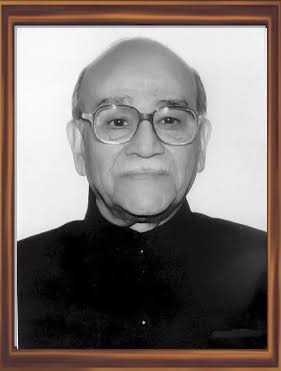
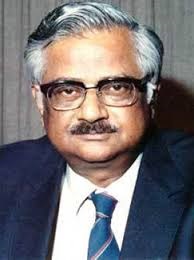
Raja Ramanna was one of India’s most distinguished nuclear physicists, science administrators, and institution builders. He played a pivotal role in the development of India’s nuclear energy and defence programs and is widely regarded as one of the architects of India’s nuclear capability. His leadership in nuclear research, scientific innovation, and national security made him one of the country’s most respected scientists. In recognition of his exceptional contributions to science and engineering, he was awarded the prestigious Padma Vibhushan in 1975.
Early Life
Raja Ramanna was born into a well-educated family in the princely state of Mysore. From an early age, he showed exceptional talent in mathematics, science, and music. Along with his passion for physics, he was also an accomplished pianist and had a deep appreciation for Western classical music.
His early fascination with science inspired him to pursue a career in physics, eventually becoming one of India’s leading nuclear scientists.
Birth Date and Death
- Full Name: Raja Ramanna
- Date of Birth: 28 January 1925
- Place of Birth: Tumakuru (Tumkur), Karnataka, India
- Date of Death: 24 September 2004
- Age at Death: 79 years
Education and Career
Raja Ramanna completed his early education in Karnataka before earning a degree in physics from University of Madras. He later pursued advanced studies at King’s College London, where he obtained a Ph.D. in nuclear physics.
After returning to India, he joined the Bhabha Atomic Research Centre (BARC), working under the guidance of Homi J. Bhabha. Over the years, he held several prestigious positions, including:
- Nuclear Physicist at BARC
- Director of the Bhabha Atomic Research Centre
- Chairman of the Atomic Energy Commission of India
- Secretary, Department of Atomic Energy
- Scientific Adviser to the Government of India
- Minister of State for Defence (1990)
His career was marked by leadership in scientific research and national security.
Career and Achievements
Raja Ramanna made groundbreaking contributions to India’s nuclear science and technology.
His major achievements include:
- Played a leading role in India’s first nuclear test, Pokhran-I (“Smiling Buddha”), conducted in 1974.
- Directed major nuclear research and reactor development programs.
- Strengthened India’s indigenous nuclear technology capabilities.
- Led the Bhabha Atomic Research Centre during a critical period of scientific advancement.
- Contributed to peaceful applications of nuclear energy in medicine, agriculture, and power generation.
- Published numerous research papers and books on science and philosophy.
His leadership helped establish India as a significant nuclear power.
Why Did He Receive the Padma Vibhushan Award?
Raja Ramanna received the Padma Vibhushan in 1975 for his exceptional contributions to Science and Engineering, especially in nuclear physics and atomic energy.
The Government of India honored him because:
- He made pioneering contributions to India’s nuclear research program.
- He played a key role in the success of India’s first nuclear test in 1974.
- He strengthened India’s scientific and technological self-reliance.
- He advanced nuclear energy for both strategic and peaceful purposes.
- He provided visionary leadership to India’s atomic energy institutions.
His work significantly enhanced India’s scientific reputation and strategic capabilities.
Field of Achievement
Raja Ramanna excelled in several fields, including:
- Nuclear Physics
- Atomic Energy
- Defence Science
- Scientific Research
- Science Administration
- Nuclear Engineering
He is regarded as one of the architects of India’s nuclear program.
Awards and Honours
Raja Ramanna received many prestigious honours during his lifetime, including:
- Padma Shri (1968)
- Padma Bhushan (1973)
- Padma Vibhushan (1975)
- Numerous honorary doctorates from Indian and international universities.
- Fellowship of leading scientific academies in India.
These honours reflected his extraordinary contributions to science and national development.
Interesting Facts
- Raja Ramanna was one of the principal scientists behind Pokhran-I, India’s first successful nuclear test.
- He worked closely with pioneering nuclear scientist Homi J. Bhabha.
- Besides being a scientist, he was a talented pianist and had a lifelong interest in Western classical music.
- He authored books on science, philosophy, and spirituality.
- He briefly served as Minister of State for Defence in the Government of India.
- He strongly believed that scientific research should contribute to both national security and peaceful development.
Legacy and Inspiration
Raja Ramanna’s legacy continues through India’s nuclear energy and scientific research programs. His contributions to atomic research, scientific institutions, and technological innovation have had a lasting impact on the country’s development.
He continues to inspire:
- Nuclear scientists
- Physicists
- Engineers
- Defence researchers
- Students
- Science administrators
His dedication to scientific excellence and national service remains a model for future generations.
Contribution to the Nation
Raja Ramanna made invaluable contributions to India’s scientific and strategic progress.
His contributions include:
- Leading key nuclear research projects.
- Contributing to India’s first successful nuclear test.
- Strengthening India’s atomic energy and defence capabilities.
- Promoting peaceful applications of nuclear technology.
- Building world-class scientific institutions and mentoring young researchers.
His work helped establish India as a respected nation in the field of nuclear science and technology.
Conclusion
Raja Ramanna was one of India’s greatest nuclear physicists and science administrators. His pioneering contributions to nuclear research, leadership in India’s atomic energy program, and role in the country’s first nuclear test earned him the Padma Vibhushan in 1975. Through his scientific vision, dedication, and commitment to national development, he strengthened India’s technological capabilities and inspired generations of scientists. His legacy remains a cornerstone of India’s achievements in nuclear science and engineering.
About the Author