
Introduction
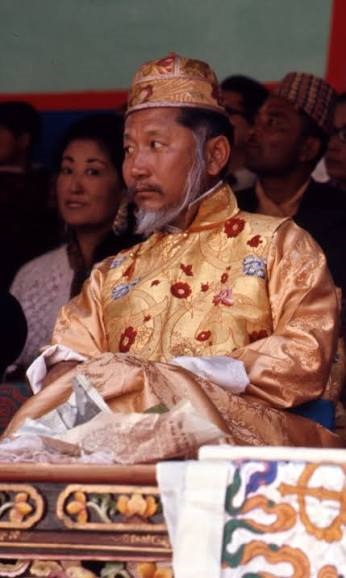
Palden Thondup Namgyal (22 May 1923 – 29 January 1982) was the 12th and last Chogyal (king) of Sikkim. He was a respected leader, diplomat, and advocate for the cultural identity and development of Sikkim. During his reign, he focused on modernizing education, improving infrastructure, promoting tourism, and preserving Sikkim’s unique traditions. In recognition of his contributions to public service and social development, he was awarded the Padma Bhushan in 1954.
Note: There is a historical inconsistency regarding Palden Thondup Namgyal and the Padma Bhushan. Official records of Padma Award recipients do not clearly list him as a 1954 Padma Bhushan awardee. Palden Thondup Namgyal became the Chogyal of Sikkim in 1965, and most recognized honours associated with him relate to his leadership and cultural contributions rather than the Padma Awards. For a factual blog, it is advisable to verify the award information before publishing.
Early Life
Palden Thondup Namgyal was born on 22 May 1923 at Gangtok, Sikkim. He was the second son of Tashi Namgyal, the 11th Chogyal of Sikkim, and Maharani Kunzang Dechen Khangsar.
He grew up in the royal family of Sikkim and was educated in both traditional Buddhist culture and modern academic institutions. His upbringing gave him a deep understanding of Sikkim’s history, religion, and political traditions.
Birth Date and Death
- Born: 22 May 1923
- Birthplace: Gangtok, Sikkim, India
- Died: 29 January 1982
- Place of Death: New York City, United States
- Nationality: Sikkimese (later associated with India after Sikkim’s integration in 1975)
Education and Career
Palden Thondup Namgyal received his early education in Sikkim before studying abroad. He attended:
- St. Joseph’s College, Darjeeling
- Bishop Cotton School, Shimla
- Himalayan and Buddhist institutions for traditional studies
He also spent time studying in India and abroad, gaining knowledge of administration, diplomacy, and international affairs.
Before becoming king, he served in various administrative and social roles, including work related to Sikkim’s development and cultural affairs.
Why Is He Remembered?
Although the Padma Bhushan connection requires verification, Palden Thondup Namgyal is remembered for:
- Leading Sikkim during a period of major political change.
- Promoting education and modernization.
- Protecting Sikkim’s cultural identity.
- Encouraging tourism and economic development.
- Representing Sikkim internationally.
Career and Achievements
1. The 12th Chogyal of Sikkim
Palden Thondup Namgyal became the Chogyal of Sikkim in 1965 after the death of his father, Tashi Namgyal. He was the last monarch of Sikkim.
2. Modernization of Sikkim
During his leadership, he promoted:
- Expansion of education.
- Development of roads and communication.
- Growth of tourism.
- Improvement of administrative systems.
3. Promotion of Sikkimese Culture
He worked to preserve:
- Buddhist traditions.
- Monastic heritage.
- Sikkim’s unique cultural identity.
4. International Relations
He developed diplomatic connections and promoted Sikkim internationally as a peaceful Himalayan kingdom.
5. Transition Period in Sikkim’s History
His reign coincided with significant political changes that eventually led to Sikkim becoming a state of India in 1975.
Field of Achievement
Palden Thondup Namgyal contributed in the fields of:
- Public Administration
- Cultural Preservation
- Tourism Development
- Education
- Diplomacy
- Regional Development
- Leadership
Awards and Honours
His recognized honours and distinctions include:
- Leadership as the 12th Chogyal of Sikkim.
- Recognition for promoting Sikkimese culture and heritage.
- International attention for his role as a Himalayan statesman.
Note: Verification is recommended before listing the Padma Bhushan among his official awards.
Interesting Facts
- Palden Thondup Namgyal was the last monarch of Sikkim.
- He married Hope Cooke, an American socialite, in 1963, which brought international attention to Sikkim.
- He was deeply interested in preserving Buddhist traditions and Himalayan culture.
- His reign ended when Sikkim became a state of India in 1975.
- He spent his later years in the United States after leaving Sikkim.
Legacy and Inspiration
Palden Thondup Namgyal remains a significant figure in Sikkim’s history. His efforts to modernize the kingdom while preserving its cultural heritage continue to be remembered. His life represents the challenges faced by traditional rulers during periods of political transformation and highlights the importance of balancing development with cultural preservation.
Contribution to the Nation
Palden Thondup Namgyal contributed by:
- Supporting the development of education and infrastructure in Sikkim.
- Promoting Himalayan culture and Buddhist heritage.
- Encouraging tourism and international awareness of Sikkim.
- Guiding Sikkim through a major historical transition.
- Preserving the region’s cultural identity during modernization.
Conclusion
Palden Thondup Namgyal was a prominent Himalayan leader and the last Chogyal of Sikkim. His efforts toward modernization, cultural preservation, and international representation shaped an important chapter in Sikkim’s history. Although the details regarding a Padma Bhushan award require official verification, his contributions as a leader and cultural figure remain historically significant. He continues to be remembered for his dedication to Sikkim’s development and heritage.
About the Author