Early Life and Education
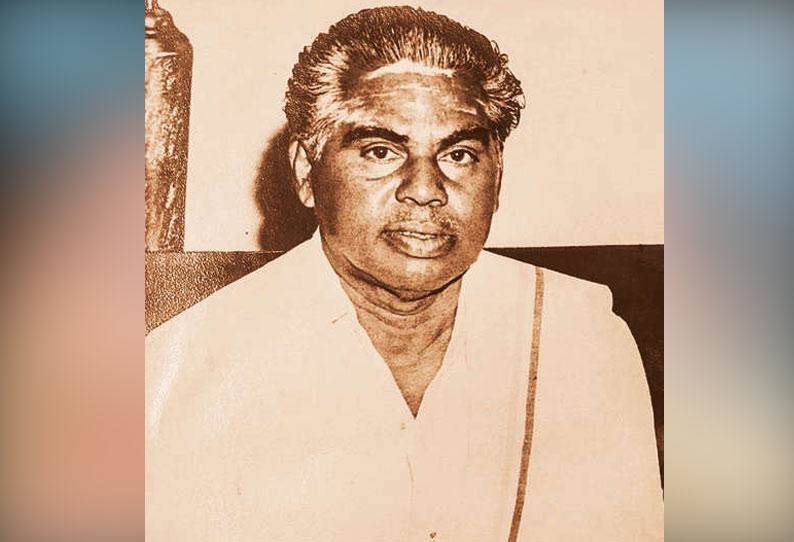
P. S. K. Lakshmipathy Raju was born on 10 December 1913 in Palani, in the then Madras Presidency (present-day Tamil Nadu). He was the son of S. Krishnasamy Raju, who was himself actively involved in the Indian nationalist movement. Growing up in a patriotic environment greatly influenced Lakshmipathy Raju’s outlook and commitment to public service.
He completed his schooling at Palani Municipal High School. Although detailed records of higher education are unavailable, his early exposure to social and political issues shaped his leadership abilities and dedication to national causes.
Education & Skills
Lakshmipathy Raju’s formal education ended with his school studies, but he developed remarkable skills through practical experience and public engagement. His strengths included:
- Leadership and organizational abilities.
- Social reform and community mobilization.
- Political administration and governance.
- Advocacy for marginalized communities.
- Promotion of cooperative movements and rural development.
His ability to connect with people from different social backgrounds enabled him to become an effective freedom fighter and later a respected public representative.
Contribution to Tamil Literature
Unlike several Tamil freedom fighters who were renowned writers or poets, P. S. K. Lakshmipathy Raju was not primarily associated with Tamil literary contributions. His legacy rests more significantly in the fields of social service, political activism, and grassroots welfare work.
However, his efforts toward social upliftment reflected the humanitarian values often emphasized in Tamil reformist thought. Through speeches and public campaigns, he helped spread awareness about equality, education, and national consciousness among ordinary people.
Role in India’s Freedom Movement
Lakshmipathy Raju played an active role in several phases of India’s struggle for independence through the Indian National Congress.
Civil Disobedience Movement (1932)
He participated in the movement launched by Mahatma Gandhi against British rule. As a result of his involvement, he was arrested and sentenced to six months’ imprisonment.
Individual Satyagraha (1941)
He again joined the nationalist protests and was sentenced to another six months in prison for opposing colonial policies.
Quit India Movement (1942)
During the historic Quit India Movement, Lakshmipathy Raju was detained under the Defence of India Rules and imprisoned for three months. He was lodged in several prisons, including:
- Madurai Jail
- Bellary Jail
- Alipore Jail
- Vellore Jail
- Tanjore Jail
- Palayamkottai Jail
- Madras Jail
These repeated imprisonments demonstrate his unwavering commitment to India’s freedom struggle.
Social Reform Activities
In 1930, he established the Harijan Seva Sangh in Palani to work for the upliftment of Dalit communities. He actively promoted:
- Eradication of untouchability,
- Sanitation initiatives,
- Khadi usage,
- Social equality.
Personal Life
Lakshmipathy Raju maintained a life centered on public welfare and national service. Inspired by his father’s nationalist ideals, he devoted much of his time to community development and constructive social work.
After Independence, he continued serving society through various institutions and organizations. He became:
- Member of the Palani Municipal Council (1945),
- Chairman of the Palani Municipality for five years,
- President of the Fishermen’s Cooperative Scheme in Palani Taluk,
- Convener of the Bhoodan Movement,
- Supporter of the Bharat Sevak Samaj.
He also held several positions in cooperative societies and labour organizations, reflecting his lifelong commitment to social welfare.
Death
P. S. K. Lakshmipathy Raju passed away on 4 November 1989 at the age of 75. His death marked the end of a life devoted to the service of both the nation and society.
Conclusion
P. S. K. Lakshmipathy Raju stands as an inspiring example of a freedom fighter who combined political activism with social reform. Despite facing repeated imprisonment during the independence movement, he remained steadfast in his dedication to the nation. After Independence, he continued to serve the people through municipal administration, cooperative initiatives, and welfare activities.
Although not widely remembered today, his contributions to India’s freedom struggle and community development deserve recognition. His life reflects the values of patriotism, selfless service, and social justice that helped shape modern India.
About the Author