
1. Introduction
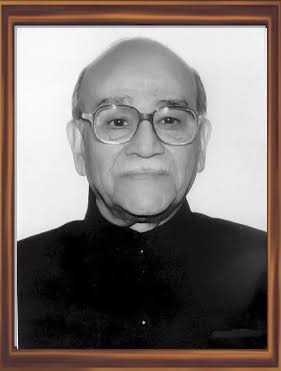
Ustad Nisar Hussain Khan (1906–1993) was a titan of Hindustani classical music and one of the finest torchbearers of the Rampur-Sahaswan gharana. Renowned for his powerful, thunderous three-octave voice and peerless mastery over rhythm (layakari) and taranas, he was among the last traditional gharanedar ustads of his era. With a career spanning over seven decades, he preserved an invaluable treasure trove of rare ragas and complex compositions, passing down his exacting artistic discipline to some of the greatest modern voices of Indian classical music.
2. Quick Facts
- Full Name: Ustad Nisar Hussain Khan
- Native Name: نثار حسین خان / निसार हुसैन ख़ान
- Date of Birth: December 12, 1909 (some records note 1906)
- Place of Birth: Badaun, Uttar Pradesh, British India
- Nationality: Indian
- Occupation/Profession: Hindustani Classical Vocalist, Teacher
- Field of Achievement: Indian Classical Vocal Music (Khyal and Tarana)
- Years Active: c. 1917–1993
3. Award Information (Focus: Padma Bhushan)
- Award Name: Padma Bhushan
- Award Category: India’s third-highest civilian honor for distinguished service of a high order
- Award Year: 1971
- Presented By: Government of India
- Date of Ceremony: 1971 (Rashtrapati Bhavan Investiture)
- Citation/Official Reason: For exceptional and distinguished contributions to the field of arts and classical music.
- Previous Recipients: Eminent artists, scientists, and public figures of preceding years.
- Next Recipients: Succeeding civilian awardees of 1971–1972.
4. Why They Received the Award
Ustad Nisar Hussain Khan received the Padma Bhushan—preceded by the Sangeet Natak Akademi Award in 1970—in recognition of his lifelong dedication to safeguarding, enriching, and propagating the complex traditions of the Rampur-Sahaswan musical lineage. His unique contributions, particularly his revolutionary execution of taranas fused with instrumental jhala patterns and his rigorous grooming of future generations, cemented his status as a national musical treasure.
5. Early Life
Born into a distinguished musical family deeply rooted in the Rampur-Sahaswan tradition, Nisar Hussain Khan was immersed in a rigorous environment of vocal discipline from infancy. His early musical foundation was laid by his grandfather, Ustad Haider Khan, and subsequently under the intense, exacting tutelage of his father, Ustad Fida Hussain Khan. Demonstrating phenomenal prodigious talent, he gave his debut public performance at the tender age of 11, which stunned veteran musicians of the time.
6. Education
His education was exclusively musical, carried out through the traditional guru-shishya parampara. Under his father’s strict supervision, his daily practice regimen often spanned up to twelve hours a day, focusing heavily on voice placement, breath control, precise pitch accuracy (swara shuddhi), and complex rhythmic patterns.
7. Career Journey
Recognizing his extraordinary talent, Maharaja Sayajirao Gaekwad III of Baroda awarded young Nisar a scholarship and appointed his father as a court musician so he could mentor him continuously. By age 18, Nisar Hussain Khan was formally appointed as a court musician in Baroda, a prestigious position he held for nearly three decades.
Following the transition of royal states, he relocated to his ancestral home in Badaun and later spent years performing across the country, broadcasting extensively on All India Radio. In 1977, he joined the ITC Sangeet Research Academy in Calcutta as a senior resident guru, spending his final decades mentoring elite talent.
8. Major Achievements
- Conferred the Padma Bhushan by the Government of India in 1971.
- Received the Sangeet Natak Akademi Award in 1970.
- Awarded the prestigious Tansen Samman by the Government of Madhya Pradesh.
- Revolutionized the aesthetic presentation of taranas by incorporating instrumental jhala styles inspired by sitar maestro Ustad Imdad Khan.
- Mentored legendary musicians, including Padma Bhushan recipient Pandit Ghulam Mustafa Khan and maestro Padma Bhushan Ustad Rashid Khan.
9. Contribution to the Nation
Ustad Nisar Hussain Khan kept the ancient, robust strands of the Senia-Rampur musical heritage alive during a century of rapid cultural transition. He preserved obscure and complex composite ragas that would have otherwise vanished into history. Furthermore, through his decades as an uncompromising teacher at the ITC Sangeet Research Academy and his private taalim, he ensured that the pristine grammar, emotional depth, and structural integrity of the khyal tradition were successfully transferred to contemporary masters.
10. Other Awards and Honours
| Award / Honor | Organization / Institution | Year |
| Padma Bhushan | Government of India | 1971 |
| Sangeet Natak Akademi Award | Sangeet Natak Akademi, New Delhi | 1970 |
| Tansen Award | Government of Madhya Pradesh | |
| Doctorate (Honorary) | Gandharva Mahavidyalaya |
11. Legacy and Influence
Ustad Nisar Hussain Khan’s legacy is defined by his forceful, masculine (mardana) gayaki, lightning-fast bol-taans, and intricate gamaks. He remains the definitive benchmark for singing taranas in Indian classical music. His profound influence lives on through his students and family members—most notably his grandnephew and prime disciple, Ustad Rashid Khan, who carried forward his inimitable blend of intellectual rigor and emotional resonance.
12. Interesting Facts
- Prodigious Start: His public debut at age 11 was treated as a major musical phenomenon in pre-independence India.
- Sitar Inspiration: He adapted distinct elements of sitar playing—specifically the jhala technique of Ustad Imdad Khan—and translated them into lightning-fast vocal taranas.
- Decades of Court Patronage: He spent nearly 30 uninterrupted years as an honored court musician in the princely state of Baroda.
- Uncompromising Purist: He fiercely believed that a great classical musician could only emerge from a clean, disciplined, and morally upright lifestyle.
13. Quotes
“Only an artist who leads a clean, disciplined life and possesses an upright character can become a high-class musician.” — Ustad Nisar Hussain Khan
14. Timeline
- 1909: Born in Badaun, Uttar Pradesh.
- c. 1920: Gives his widely acclaimed debut performance at age 11.
- c. 1927: Appointed as a state court musician in Baroda under Maharaja Sayajirao Gaekwad III.
- 1970: Receives the Sangeet Natak Akademi Award.
- 1971: Honored with the Padma Bhushan by the Government of India.
- 1977: Joins the ITC Sangeet Research Academy in Calcutta as a senior guru.
- 1993: Passes away on July 16 in Kolkata.
15. References
- Wikipedia – Ustad Nisar Hussain Khan Profile & Discography
- ITC Sangeet Research Academy – Archives and Master Biographies
- Discography of American Historical Recordings (University of California, Santa Barbara)
- Ministry of Home Affairs, Government of India – Padma Awards Directory
16. Related Personalities
- Ustad Fida Hussain Khan (Father and primary mentor)
- Ustad Haider Khan (Grandfather and early guru)
- Ustad Rashid Khan (Grandnephew and primary disciple)
- Ghulam Mustafa Khan (Cousin and prominent disciple)
- Hafeez Ahmed Khan (Son-in-law and eminent vocalist)
17. Frequently Asked Questions (FAQ)
Q: Who was Ustad Nisar Hussain Khan?
A: Ustad Nisar Hussain Khan was a legendary Hindustani classical vocalist belonging to the Rampur-Sahaswan gharana, celebrated for his powerful voice, mastery over taranas, and rigorous adherence to traditional purity.
Q: What is the Rampur-Sahaswan gharana?
A: It is an esteemed school of Hindustani vocal music rooted in the Senia tradition, known for its robust execution, complex layakari, and detailed exploration of ragas through bol-taans and gamaks.
Q: Who were some of his most famous students?
A: His most renowned disciples include his grandnephew Ustad Rashid Khan and his cousin Ghulam Mustafa Khan.
Q: What major awards did he win?
A: He was honored with the Sangeet Natak Akademi Award in 1970 and India’s prestigious Padma Bhushan civilian award in 1971.
Nissar Hussain Khan | Bhairavi | Tarana
This archival recording captures Ustad Nisar Hussain Khan demonstrating his breathtaking virtuosity and precise mastery of the tarana in Raga Bhairavi.
About the Author