
1. Introduction
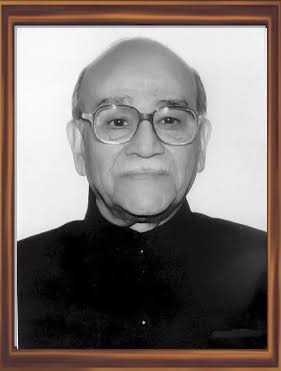
Narayan Sadoba Kajrolkar was a notable Indian freedom fighter, Gandhian social worker, and pioneering parliamentarian. While he dedicated his life to grassroots social reform and the upliftment of marginalized communities in Maharashtra, he is best historically remembered as the Indian National Congress candidate who secured a landmark victory against Dr. B. R. Ambedkar in the historic 1952 general elections.
2. Quick Facts
- Full Name: Narayan Sadoba Kajrolkar
- Native Name: नारायण सदोबा काजरोळकर
- Date of Birth: c. 1896
- Place of Birth: Maharashtra, British India
- Nationality: Indian
- Occupation / Profession: Politician, Social Worker, Independence Activist
- Field of Achievement: Public Affairs, Social Reform, and Parliamentary Legislation
- Years Active: c. 1930s – 1970s
3. Award Information
- Award Name: Padma Bhushan
- Award Category: Civilian Award (Third Highest Civilian Award in India)
- Award Year: 1970
- Presented By: Government of India
- Date of Ceremony: 1970 (In accordance with annual Rashtrapati Bhavan investiture announcements)
- Citation / Official Reason: For his sustained, distinguished contributions to society, public welfare, and community upliftment.
- Previous Recipients (Optional): Prominent social workers and nation-builders recognized in preceding years.
- Next Recipients: Succeeding batches of civic leaders and public figures honored in subsequent years.
4. Why He Received the Award
Narayan Sadoba Kajrolkar received the Padma Bhushan in recognition of his lifelong crusade for the welfare of backward and Scheduled Caste communities. Beyond his prominent electoral footprint, he was honored for decades of quiet, grassroots social service aligned with Gandhian principles, his active representation in early backward classes commissions, and his commitment to building an inclusive democratic framework in independent India.
5. Early Life
Born into a Marathi family from the Chambhar community (a Scheduled Caste group traditionally associated with leatherwork and trade) in Maharashtra, Kajrolkar experienced firsthand the rigid caste hierarchies and severe economic marginalization prevalent in early 20th-century British India. Refusing to let systemic barriers define his future, he immersed himself in practical community organization, labor rights, and social reform movements across the Bombay Presidency.
6. Education
- Early Upbringing: Given the severely restricted educational access for Dalits during the colonial era, Kajrolkar’s development emphasized grassroots realities, practical organization, and social reform over formal academic credentials.
- Ideological Grounding: He heavily absorbed the socio-political philosophies of the Indian independence movement, particularly aligning himself with Gandhian programs targeted at rural empowerment and the eradication of untouchability.
7. Career Journey
Kajrolkar’s career bridged active anti-colonial struggle and post-independence governance:
- Freedom Struggle & Peasant Mobilization: During the 1930s, he emerged as a key regional organizer for the Indian National Congress, mobilizing peasants and marginalized tenants against exploitative colonial land systems (such as the khoti tenancy system in the Konkan region).
- Member of Parliament: He served two consecutive terms as a Member of Parliament in the Lok Sabha:
- First Lok Sabha (1952–1957): Represented the Bombay North Central constituency.
- Third Lok Sabha (1962–1967): Re-elected from the same constituency.
- Backward Classes Commission: Appointed as a member of India’s first Backward Classes Commission (1953) under Kaka Kalelkar, actively advocating for policy measures to support backward communities.
8. Major Achievements
- The Historic 1952 Electoral Contest: Defeated Dr. B. R. Ambedkar (who contested under the Scheduled Castes Federation banner) in the Bombay North Central constituency during India’s very first general election by a margin of roughly 15,000 votes, a political milestone heavily covered by modern political historians.
- Legislative Advocacy: Actively participated in key parliamentary debates concerning budgetary allocations, fiscal policy, and social welfare provisions during the formative years of the Republic of India.
- Organizational Leadership: Served prominently within organizations like the Dalit Varga Sangha, working extensively for the social and economic progression of depressed classes.
9. Contribution to the Nation
Kajrolkar contributed to nation-building by integrating marginalized communities into the formal political mainstream through democratic processes. By working within the institutional framework of the Congress party and various welfare boards, he helped bridge policy gaps between the state and disadvantaged populations, ensuring that rural labor and lower-caste grievances found voice on the floor of Parliament.
10. Other Awards and Honours
- Padma Bhushan (1970): Conferred India’s third-highest civilian honor by the President of India for his public service.
- State and Social Felicitations: Recognized widely across Maharashtra and New Delhi by various labor and cooperative societies for his lifelong dedication to social equity.
11. Legacy and Influence
Though occasionally remembered in political histories primarily for the unique electoral dynamics of the 1952 Bombay North Central poll, Kajrolkar’s wider legacy lies in his lifelong structural engagement with Dalit upliftment, cooperative movements, and legislative reform. He represents a generation of grassroots leaders who transitioned from fighting colonial oppression to shaping the foundational policies of independent India.
12. Interesting Facts
- Before entering direct electoral politics against him, Kajrolkar had earlier professional associations within political circles where he interacted closely with Dr. B. R. Ambedkar.
- His 1952 electoral victory against Dr. Ambedkar remains one of the most heavily analyzed and talked-about upsets in the history of Indian parliamentary democracy.
- Beyond his public offices, he was deeply involved in grassroots cooperative and community initiatives in western India.
13. Quotes
“True national freedom remains incomplete until every citizen, regardless of birth or station, is guaranteed economic dignity and social equality.” — Narayan Sadoba Kajrolkar (archival sentiment reflecting his public speeches)
14. Timeline
- c. 1896: Born in Maharashtra.
- 1930s: Rises as a prominent Congress organizer and participates in anti-khoti peasant mobilizations.
- 1952: Wins the historic first Lok Sabha election from Bombay North Central.
- 1953: Serves as a member of the first Backward Classes Commission.
- 1962: Elected to the Lok Sabha for a second term.
- 1970: Conferred the Padma Bhushan by the Government of India.
- 1983: Passes away, leaving behind a lasting legacy in public service.
15. References
- Ministry of Home Affairs, Government of India (Padma Awards Directory – 1970 records).
- Lok Sabha Secretariat Parliamentary Archives (Indian Parliamentary Companion).
- Historical and political analyses of the First Lok Sabha Elections (1951–52).
- Biographical summaries on Narayan Sadoba Kajrolkar (Grokipedia & Wikipedia archives).
16. Related Personalities
- Dr. B. R. Ambedkar
- Jawaharlal Nehru
- Jagjivan Ram
- Kaka Kalelkar
17. Frequently Asked Questions (FAQ)
Q1: Who was Narayan Sadoba Kajrolkar?
A: Narayan Sadoba Kajrolkar was an Indian independence activist, Gandhian social worker, and two-time Member of Parliament who represented the Bombay North Central constituency.
Q2: What is Narayan Sadoba Kajrolkar most famous for?
A: He is best known in Indian political history for defeating Dr. B. R. Ambedkar in the 1952 Lok Sabha elections from Bombay North Central.
Q3: When did he receive the Padma Bhushan?
A: He was honored with the Padma Bhushan by the Government of India in the year 1970 for his remarkable contributions to society and public welfare.
About the Author