

1. Introduction
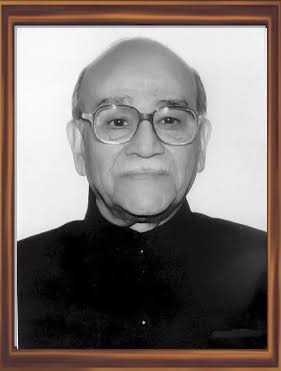
Nabakanta Barua (1926–2002), widely celebrated by his pen name Ekhud Kokaideu, was a towering figure in 20th-century Assamese literature. As a pioneering modern poet, novelist, essayist, and academic, he bridged traditional romanticism with contemporary existentialist thought. His extensive corpus of work modernized the style, idiom, and thematic depth of Assamese poetry and fiction, leaving an indelible stamp on the cultural landscape of Northeast India.
2. Quick facts
- Full Name: Nabakanta Barua
- Native Name: নবকান্ত বৰুৱা
- Date of birth: December 29, 1926
- Place Of birth: Guwahati, Assam, British India
- Nationality: Indian
- Occupation/ Profession: Professor, Poet, Novelist, Writer
- Field of Achievement: Assamese Literature and Higher Education
- Years Active: 1940s – 2000
3. Award Information
- Award Name: Padma Bhushan
- Award Category: Civil Honor / Literature & Education
- Award Year: 1976
- Presented By: President of India
- Date of Ceremony: Annual Republic Day Investiture Ceremony, 1976
- Citation/Official Reason: Recognized for his distinguished contributions and pioneering footprint in the field of literature and education.
- Previous Recipients (optional): Eminent Indian writers, thinkers, and nation builders.
- Next Recipients: Subsequent annual civilian award recipients.
4. Why they Receive the award?
Nabakanta Barua received the Padma Bhushan for his pathbreaking role in modernizing Assamese poetry and prose, his stellar stewardship of education as an academic, and his lifelong dedication to enriching Indian regional literature through deep psychological insight and stylistic innovation.
5. Early Life
Born into a culturally rich and intellectually inclined family in Guwahati, Nabakanta Barua was the son of Nilakanta Barua (a school inspector and teacher) and Swarnalata Baruani. He grew up alongside three brothers—including Devakanta Barua, who later became a prominent national political figure. Growing up across Upper Assam and Nagaon, he displayed an early affinity for language, creative writing, and fine arts.
6. Education
- Early Education: Nagaon Government Boys’ Higher Secondary School (completed matriculation in 1941).
- Undergraduate Studies: Visva-Bharati University, Santiniketan (where he soaked in rich artistic and aesthetic influences) and graduation with English Honors from Cotton College, Guwahati (1947).
- Post-Graduation: Master of Arts in English from Aligarh Muslim University (1953).
7. Carrier Journey
- Early Teaching: Began his academic career at A.K. College in Shikohabad, Uttar Pradesh, and later taught at Jagannath Barooah College in Jorhat.
- Cotton College Tenures: Joined the Department of English at Cotton College, Guwahati, in 1954, serving long stints and eventually retiring as the Vice-Principal of the institution in 1984.
- Administrative Role: Served as an Officer of English Education under the Assam Madhyamik Shiksha Parishad (SEBA).
- Literary Leadership: Presided over notable sessions of the Asom Sahitya Sabha, including the Dhing session (1968) and the Bishwanath Chariali convention (1990).
8. Major Achievements
- Pioneering Modernism: Introduced landmark stylistic shifts in Assamese poetry through masterpieces like Hey Aranya Hey Mahanagar (O Forest, O City).
- Sahitya Akademi Award (1975): Won the prestigious literary honor for his evocative novel Kokadeutar Har (Bones of the Grandfather).
- Prolific Translation: Translated world-class literary works—including Pushkin’s poetry, Walt Whitman’s verses, and Greek tragedies like Euripides’ Alcestis—into Assamese.
9. Contribution to the nation
Barua liberated Assamese verse from traditional romanticism, injecting it with urban anxieties, post-independence disillusionment, and universal humanism. As an educator for over three decades, he molded generations of students at Cotton College. Furthermore, his deep engagement with children’s literature (under his pen name Ekhud Kokaideu) nurtured a lifelong reading habit among young minds in Assam.
10. Other Awards and Honours
- Assam Prakashan Parishad Award (1974) – For Mur aru Prithibir
- Sahitya Akademi Award (1975) – For Kokadeutar Har
- Padma Bhushan (1976) – Conferred by the Government of India
- Assam Valley Literary Award (1993)
- Kamal Kumari National Award (1998)
11. Legacy and influence
Nabakanta Barua is revered as a “poet’s poet” and an architect of modern Assamese consciousness. His ability to blend global literary movements with indigenous folk idiom created a distinctive voice that influenced generations of subsequent writers in Northeast India. He passed away on July 14, 2002, leaving behind a legacy cemented in classrooms, libraries, and the collective cultural memory of Assam.
12. Interesting Facts
- He wrote early experimental poems under the feminine pseudonym “Sima Dutta” before publishing under his own name.
- Aside from his mastery over words, he was an accomplished painter and deeply appreciated classical and folk music.
- His elder brother, Devakanta Barua, served as the President of the Indian National Congress during the 1970s.
13. Quotes
“Asa aru nirasar majot jeeti thake manuh, seiyai jibon.”
(Life is what persists and triumphs in the constant space between hope and despair.)
14. Timeline
- 1926: Born on December 29 in Guwahati, Assam
- 1947: Completed B.A. with English Honors
- 1954: Began his long association with Cotton College as a faculty member
- 1975: Awarded the Sahitya Akademi Award for Kokadeutar Har
- 1976: Conferred the Padma Bhushan by the Government of India
- 1984: Retired as Vice-Principal of Cotton College
- 1993: Received the Assam Valley Literary Award
- 2002: Passed away on July 14 at the age of 75
15. References
- Wikipedia: Nabakanta Barua
- Sahitya Akademi Award Winner Database – Assamese Section
- Ministry of Home Affairs, Government of India – Padma Awards Directory
16. Related Personalities
- Bhabendra Nath Saikia (Renowned Assamese novelist, filmmaker, and contemporary intellectual)
- Mamoni Raisom Goswami (Indira Goswami) (Jnanpith-winning Assamese author and literary peer)
- Devakanta Barua (Elder brother and prominent political leader)
17. Frequently Asked Questions (FAQ)
Q: Who was Nabakanta Barua?
A: He was one of Assam’s most celebrated modern poets, novelists, and educators who fundamentally reshaped 20th-century Assamese literature.
Q: What was his pen name?
A: He was widely known among children and readers by his pen name Ekhud Kokaideu, and briefly wrote early poems as Sima Dutta.
Q: What are some of his most famous literary works?
A: His notable creations include the novel Kokadeutar Har, and poetry collections like Hey Aranya Hey Mahanagar and Mur aru Prithibir.
About the Author