
Introduction
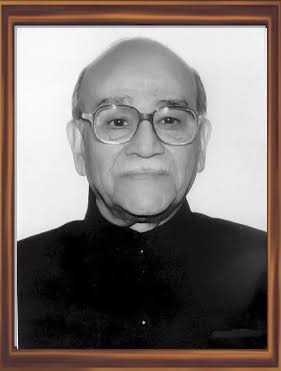
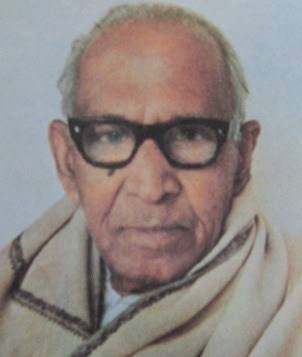
Mohan Sinha Mehta (20 April 1895 – 25 June 1986) was a distinguished Indian administrator, diplomat, educationist, and social reformer. He played a key role in the administration of the princely state of Udaipur (Mewar), represented India as a diplomat after Independence, and made lasting contributions to rural development and higher education. His lifelong dedication to public service earned him the Padma Vibhushan, India’s second-highest civilian award.
Why Did He Receive the Padma Vibhushan Award?
Mohan Sinha Mehta was awarded the Padma Vibhushan in 1969 in recognition of his exceptional contributions to public affairs, education, diplomacy, and social service.
He received the honour for:
- Outstanding service as an administrator in the princely state of Mewar.
- Representing India as Ambassador to the Netherlands, Austria, Pakistan, and the Vatican.
- Promoting rural development and community welfare.
- Establishing educational institutions and encouraging higher education.
- Making significant contributions to nation-building after India’s independence.
Early Life
Mohan Sinha Mehta was born on 20 April 1895 in Bhilwara, Rajasthan (then part of the princely state of Mewar). He grew up in a family that valued education and public service. From an early age, he displayed exceptional academic ability and leadership qualities, which later shaped his distinguished career.
Education and Career
Mohan Sinha Mehta completed his early education in Rajasthan before pursuing higher studies.
His career included several important roles:
- Served in the administration of the State of Mewar.
- Became Prime Minister (Dewan) of Mewar, where he introduced administrative and educational reforms.
- After India’s independence, joined the diplomatic service.
- Served as India’s Ambassador to:
- The Netherlands
- Austria
- Pakistan
- The Holy See (Vatican)
- After retiring from diplomacy, devoted himself to rural development and education.
Career and Achievements
Mohan Sinha Mehta’s notable achievements include:
- Modernized the administration of the Mewar State.
- Strengthened educational opportunities in Rajasthan.
- Represented India successfully in several important diplomatic assignments.
- Promoted international goodwill through diplomacy.
- Founded and supported institutions dedicated to rural development.
- Played a major role in establishing Seva Mandir, a voluntary organization working for rural communities in Rajasthan.
- Contributed to the growth of Vidya Bhawan Society, which promoted progressive education.
Field of Achievement
Mohan Sinha Mehta made remarkable contributions in:
- Public Administration
- Diplomacy
- Education
- Rural Development
- Social Service
- Public Affairs
Awards and Honours
His major honours include:
- Padma Vibhushan (1969) – India’s second-highest civilian award.
- National recognition for his contributions to diplomacy, education, and public administration.
- Appreciation from educational and social organizations for his work in rural development.
Interesting Facts
- Mohan Sinha Mehta served as both a senior administrator and an international diplomat.
- He was deeply committed to improving education in Rajasthan.
- He believed that rural development was essential for India’s progress.
- He helped establish Seva Mandir, which continues to work for rural communities today.
- His contributions influenced education and social development long after his retirement.
Legacy and Inspiration
Mohan Sinha Mehta’s legacy is reflected in the educational institutions, rural development initiatives, and administrative reforms he helped build. His belief that education and community participation could transform society continues to inspire educators, administrators, and social workers across India.
Organizations such as Seva Mandir continue to carry forward his vision of empowering rural communities through education, health, natural resource management, and local leadership.
Contribution to the Nation
Mohan Sinha Mehta made significant contributions to India by:
- Improving governance in the princely state of Mewar.
- Representing India with distinction as a diplomat in several countries.
- Promoting quality education through innovative institutions.
- Encouraging rural development and community participation.
- Supporting social reforms that benefited thousands of people in Rajasthan.
- Strengthening India’s international relations during the early decades after independence.
Conclusion
Mohan Sinha Mehta was a visionary leader whose contributions extended across administration, diplomacy, education, and rural development. His commitment to public service, educational reform, and community welfare earned him the Padma Vibhushan in 1969. Through institutions such as Seva Mandir and Vidya Bhawan, his work continues to improve lives and inspire future generations. His life demonstrates how dedicated leadership and a commitment to education can create lasting social change.
About the Author