

1. Introduction
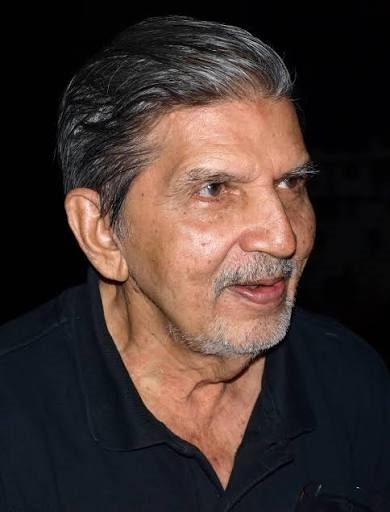
Mário João Carlos do Rosário de Brito Miranda, globally celebrated as Mario Miranda, remains one of India’s most beloved and iconic cartoonists and illustrators. Famed for his whimsical, bustling streetscapes, witty caricatures, and deeply affectionate portrayals of Goan village life and urban Mumbai, Miranda captured the soul of India through a unique style of “geometric jiggles” and lively line work. Without any formal training in fine arts, he translated everyday chaos into timeless comedy, leaving an indelible imprint on Indian visual culture.
2. Quick facts
- Full Name: Mário João Carlos do Rosário de Brito Miranda
- Native Name: Mário Miranda
- Date of birth: May 2, 1926
- Place Of birth: Daman (then part of Portuguese India)
- Nationality: Indian
- Occupation/ Profession: Cartoonist, Illustrator, Painter, and Muralist
- Field of Achievement: Fine Arts, Cartooning, and Illustration
- Years Active: Late 1940s – 2011
3. Award Information (Focusing on his Highest Honor: Padma Vibhushan)
- Award Name: Padma Vibhushan
- Award Category: India’s Second-Highest Civilian Award
- Award Year: 2012 (Posthumously)
- Presented By: Government of India
- Date of Ceremony: 2012 (Republic Day honors list announcement)
- Citation/Official Reason: For exceptional and distinguished service in the field of literature and education (art/cartooning).
- Previous Recipients (Examples): Luminaries across diverse fields such as artists, scientists, and statesmen.
- Next Recipients: Conferred annually as part of the Republic Day civilian honors.
4. Why they Receive the award?
Mario Miranda received the Padma Vibhushan—and earlier civilian honors like the Padma Shri and Padma Bhushan—for his extraordinary contribution to the art of cartooning and illustration. For decades, his pen chronicled the social fabric of India with immense humor, warmth, and accuracy. He bridged cultural divides, popularized visual storytelling in mainstream media, and exported a uniquely joyous, vibrant perspective of Indian life to global platforms without ever losing touch with his cultural roots.
5. Early Life
Born on May 2, 1926, to Goan Catholic parents in Daman, Mario showed a natural affinity for drawing from early childhood. He famously began by sketching caricatures on the walls of his family home. Recognizing his passion, his mother gave him a blank notebook, which effectively launched his lifelong habit of maintaining illustrated personal diaries. Growing up in Portuguese India, he absorbed a multicultural environment that heavily influenced his artistic sensibilities. As a schoolboy, he often found himself in minor trouble for drawing humorous sketches of his teachers and Catholic priests.
6. Education
- Schooling: St. Joseph’s Boys’ High School, Bangalore.
- Higher Education: St. Xavier’s College, Mumbai, where he completed a Bachelor of Arts (B.A.) degree in History.
- Other Studies: He briefly studied architecture to please his parents before realizing it wasn’t his calling and choosing to pursue art instead. He was otherwise a largely self-taught artist.
7. Career Journey
- Early Beginnings: After college, Miranda spent four years working in a commercial advertising studio in Mumbai.
- The Break: His career took off when The Illustrated Weekly of India published his early cartoons. This was followed by assignments with Current magazine and eventually The Times of India group.
- Global Exposure: He secured a grant from the Calouste Gulbenkian Foundation, allowing him to live and work in Portugal. He later moved to London, spending five years working with television animation and publishing in prestigious magazines like Punch, Mad, and Lilliput.
- Return to India: Returning to Mumbai, he worked closely alongside legendary colleagues like R.K. Laxman at The Times of India, crafting iconic characters like Miss Nimbupani and Miss Fonseca for publications like Femina and The Economic Times.
8. Major Achievements
- Global Exhibitions: Held solo exhibitions of his artwork in over 22 countries, including the United States, Japan, France, Brazil, and Australia.
- Collaboration with Legends: Traveled to the US on a USIS invitation, where he interacted with giants like Charles M. Schulz (creator of Peanuts).
- Published Works: Authored and illustrated several popular books, including Laugh it Off, Goa with Love, and Germany in Wintertime.
- Murals: Created famous, expansive wall murals at iconic venues such as Café Mondegar in Mumbai, blending local culture with timeless humor.
9. Contribution to the nation
Mario Miranda brought a distinct visual identity to modern India. Through gentle satire rather than biting political malice, his cartoons acted as social mirrors. He immortalized everyday citizens—from busy commuters in bustling Mumbai locals to leisurely characters in Goan taverns. His art served as an instrument of national integration and cultural preservation, celebrating the diversity, quirks, and harmonious chaos of Indian society.
10. Other Awards and Honours
- Padma Shri (1988) – Government of India
- Padma Bhushan (2002) – Government of India
- Goa State Cultural Award (2007)
- Cross of the Order of Isabel the Catholic (2009) – Awarded by the King of Spain
- Commander of the Order of Prince Henry (2009) – National honor from Portugal
- Lifetime Achievement Award – All India Cartoonists’ Association, Bangalore
11. Legacy and influence
Miranda’s legacy lives on through his vast repository of sketches, published anthologies, and his ancestral home in Loutolim, Goa, which has been converted into a public gallery and museum. He redefined Indian illustration by proving that everyday life, ordinary people, and subtle social nuances are rich subjects for high art. Generations of cartoonists and artists continue to draw inspiration from his fluid line style and infectious optimism.
12. Interesting Facts
- Childhood Entrepreneurship: As a young boy, he used to make personalized, hand-drawn greeting postcards and sell them to friends for pocket money.
- The Diary Habit: From the age of 10, he maintained personal diaries packed with live sketches of people he met, a practice he kept up all his life.
- Featured in National Campaigns: He was one of the celebrated artistic figures featured in the landmark 1988 national integration music video, “Mile Sur Mera Tumhara”.
- Peaceful Departure: Mario Miranda passed away peacefully in his sleep at his home in Goa on December 11, 2011.
13. Quotes
“I don’t look for humor; it’s all around us. You just have to keep your eyes and ears open.”
“Drawing is a way of life for me. It is how I communicate with the world.”
14. Timeline
- 1926: Born on May 2 in Daman.
- 1940s: Begins maintaining sketching diaries and selling custom postcards.
- 1950s: Works in advertising; begins publishing with The Illustrated Weekly of India.
- Late 1950s–1960s: Spends time on grants and assignments in Portugal, London, and Europe.
- 1974: Travels extensively to the United States on an invitation from the USIS.
- 1988: Awarded the Padma Shri; features in Mile Sur Mera Tumhara.
- 2002: Conferred the Padma Bhushan by the President of India.
- 2009: Receives high international civilian honors from Spain and Portugal.
- 2011: Passes away on December 11 in Loutolim, Goa.
- 2012: Posthumously awarded the Padma Vibhushan, India’s second-highest civilian honor.
15. References
- JNAF (Jehangir Nicholson Art Foundation) Archives on Mario Miranda.
- Biographical records via Wikipedia and official cultural retrospectives.
- Art market and profile retrospectives (AstaGuru, Gallery Prologue).
- Historical accounts compiled by Goan cultural historians and biographers (e.g., Oscar de Noronha).
16. Related Personalities
- R.K. Laxman (Legendary Indian cartoonist and colleague at The Times of India)
- Dom Moraes (Acclaimed poet and writer who collaborated with Miranda on books like A Journey to Goa)
- Manohar Malgonkar (Renowned author whose works featured Miranda’s illustrations)
- Charles M. Schulz (Creator of Peanuts, whom Miranda met during his US tour)
17. Frequently Asked Questions (FAQ)
Q1: Was Mario Miranda formally trained as an artist?
A: No, Mario Miranda was largely self-taught. He completed a degree in History from St. Xavier’s College, Mumbai, but his incredible mastery over lines and caricature stemmed from pure passion, constant observation, and daily sketching.
Q2: What are Mario Miranda’s most famous creations?
A: He is best known for his vivid depictions of Goan village life and bustling street scenes in Mumbai. Characters like Miss Nimbupani and Miss Fonseca, along with his murals at Mumbai’s Café Mondegar, remain legendary.
Q3: Which awards did Mario Miranda receive from the Government of India?
A: He received three major Padma civilian honors: the Padma Shri (1988), the Padma Bhushan (2002), and posthumously the Padma Vibhushan (2012).
Q4: Where can I see Mario Miranda’s permanent artwork today?
A: Aside from published books and newspaper archives, his permanent murals can be seen at spots like Café Mondegar in Colaba, Mumbai, and his ancestral home in Loutolim, Goa, which functions as a dedicated museum and gallery space.
About the Author




