
1. Introduction
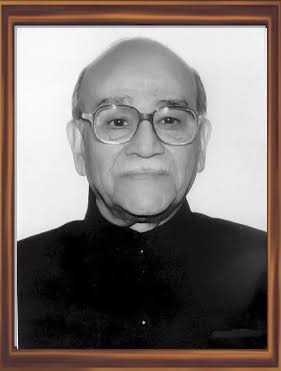
Mamidipudi Venkatarangayya was one of the important Indian scholars of the first half of the 20th century. His interests extended well beyond conventional historical writing. He studied and wrote about political science, economics, constitutional government, democracy, federalism and education.
He also played an important role in developing Telugu reference literature. As chief editor of the Sangraha Andhra Vignana Kosham, published from 1958 to 1969, he helped create a major encyclopaedic source of knowledge in Telugu.
His academic career included teaching and administrative positions at Andhra University, and he later headed the Department of Political and Social Sciences at the University of Bombay.
2. Quick Facts
| Particular | Details |
|---|---|
| Full Name | Mamidipudi Venkatarangayya |
| Native Name | మామిడిపూడి వెంకటరంగయ్య |
| Date of Birth | 8 January 1889 |
| Place of Birth | Purini, Nellore district, Madras Presidency |
| Nationality | Indian |
| Profession | Historian, political scientist, educator, writer and scholar |
| Field of Achievement | Literature and Education; history and political science |
| Years Active | Early 20th century–1980s |
| Major Institution | Andhra University |
| Major Work | Sangraha Andhra Vignana Kosham |
| Major Award | Padma Bhushan |
| Award Year | 1968 |
| Date of Death | 13 January 1982 |
| Place of Death | Secunderabad |
The birth and death dates are supported by the Padma-related records and biographical sources.
3. Award Information
Padma Bhushan
| Award Detail | Information |
|---|---|
| Award Name | Padma Bhushan |
| Award Category | Literature and Education |
| Award Year | 1968 |
| Recipient | Mamidipudi Venkatarangayya |
| Presented By | Government of India / President of India |
| State | Andhra Pradesh |
| Date of Ceremony | Individual ceremony date not established from the official database consulted |
| Recognition | Contribution to Literature and Education |
The official Government of India Padma Awards database lists Shri Mamidipudi Venkatarangayya as a Padma Bhushan recipient in 1968, under Literature and Education, from Andhra Pradesh.
Citation / Official Reason
For your blog, it is safest to state:
Recognised for his contribution to Literature and Education.
The official database identifies the category but does not provide a lengthy individual citation in the record available here. Therefore, avoid creating a more elaborate “official citation” unless you have a primary award document.
Previous Recipients
The Padma Bhushan had already been awarded to many distinguished Indians before 1968, so there was no single previous recipient.
Next Recipients
The award continued in subsequent years, with different recipients selected annually.
4. Why Did Mamidipudi Venkatarangayya Receive the Award?
Venkatarangayya’s Padma Bhushan recognised his long contribution to education, scholarship and literature.
His importance can be understood through several areas:
- Teaching and academic administration
- Historical scholarship
- Political science
- Study of Indian democracy
- Research on constitutional government
- Writing on economics and social issues
- Telugu encyclopaedic literature
- Development of educational literature
- Study of India’s political and social development
His encyclopaedic work was particularly significant because it made knowledge in a wide range of disciplines available to Telugu readers.
5. Early Life
Mamidipudi Venkatarangayya was born on 8 January 1889 in Purini village, in the Nellore district of the then Madras Presidency.
He was born into a family with a traditional background in Sanskrit and Vedic learning. A biographical account published in Triveni records that he was introduced to Vedic learning during childhood.
His parents were Venkatesayya and Narasamma.
Growing up during the late 19th and early 20th centuries, Venkatarangayya witnessed major political and social changes in India. These developments later influenced his interest in history, politics and public institutions.
6. Education
Venkatarangayya pursued both traditional learning and modern university education.
He studied Telugu, Sanskrit and traditional subjects during his early years before moving towards English-medium higher education.
He joined Pachaiyappa’s College in Madras (now Chennai).
Educational milestones
- Early study of Telugu and Sanskrit
- Matriculation through the University of Madras
- B.A. from the University of Madras in 1907
- M.A. in History, Economics and Politics in 1910
- Studied at Pachaiyappa’s College
An account published in Triveni records his early education and university studies, while other biographical sources also identify Pachaiyappa’s College and the University of Madras as his alma maters.
7. Career Journey
Early Academic Career
Venkatarangayya began his professional life in education.
After completing his B.A., he worked at Pachaiyappa’s College as a tutor while pursuing his M.A.
His academic interests increasingly focused on history, economics and political science.
Diwan of Vizianagaram
In 1927, he became Diwan of the Vizianagaram Samsthanam.
This position gave him practical experience in administration and public affairs and complemented his academic interest in political institutions.
Principal of Venkatagiri Raja College
In 1928, he became principal of Venkatagiri Raja College, Nellore, serving until 1931.
Andhra University
In 1931, Venkatarangayya joined Andhra University as a reader.
He subsequently became a professor in 1938 and eventually served as principal of the University College before retiring in 1944.
His years at Andhra University were particularly important for his influence on generations of students and scholars.
University of Bombay
After his retirement from Andhra University, he was invited to head the Department of Political and Social Sciences at the University of Bombay, where he worked from 1949 to 1952.
Encyclopaedic Work
One of his greatest intellectual projects was the Sangraha Andhra Vignana Kosham.
He served as its chief editor, and the encyclopaedia was published between 1958 and 1969.
8. Major Achievements
1. Padma Bhushan
He received India’s Padma Bhushan in 1968 for Literature and Education.
2. Sangraha Andhra Vignana Kosham
His most significant contribution to Telugu reference literature was his work as chief editor of the Sangraha Andhra Vignana Kosham.
3. Academic Leadership
He served as a teacher, professor and administrator at important institutions including Andhra University.
4. Political Science Scholarship
He wrote extensively on:
- Democracy
- Federalism
- Indian politics
- Constitutional government
- Economics
- Social change
- Education
5. Historical Writing
He wrote works on Indian and Andhra history, including Andhralo Swatantrya Samaramu, dealing with the freedom struggle in Andhra.
9. Contribution to the Nation
Venkatarangayya’s contribution to India was primarily intellectual and educational.
Promotion of Education
As a teacher and academic administrator, he helped strengthen higher education and political studies.
Political Education
His books introduced readers and students to concepts such as democracy, federalism and constitutional government.
Historical Documentation
His historical writings helped record political and social developments in India and Andhra.
Telugu Knowledge Resources
The Sangraha Andhra Vignana Kosham was an important effort to make general knowledge available in Telugu.
Academic Institution Building
His association with Andhra University and other institutions contributed to the development of higher education in South India.
Public Administration
His service as Diwan of Vizianagaram gave him direct experience of administration, which informed his later thinking about politics and governance.
10. Other Awards and Honours
The Padma Bhushan (1968) is the major nationally documented civilian honour associated with Venkatarangayya. The official Padma database confirms it as a Literature and Education award.
Unlike some literary personalities of his generation, there is no strong evidence in the sources consulted for a separate Sahitya Akademi Award. The Sahitya Akademi’s current awards database is useful for verifying recipients, but Venkatarangayya should not be described as a Sahitya Akademi Award winner without a specific record.
11. Legacy and Influence
Mamidipudi Venkatarangayya’s legacy lies in the intersection of education, history, political science and Telugu scholarship.
He belonged to a generation of Indian intellectuals who believed that education should help citizens understand their society and political institutions.
His encyclopaedic work was particularly valuable because it brought information from numerous fields together for Telugu readers.
His writings on democracy and federalism also remain useful for understanding how Indian scholars of his generation approached the country’s developing constitutional and political system.
His influence continued through his family as well. His son Mamidipudi Anandam became a prominent chartered accountant and served twice as a Rajya Sabha member, while his granddaughter Shanta Sinha later became known for her work in child rights and received major national and international recognition.
12. Interesting Facts
- Venkatarangayya was born in 1889, during the British colonial period.
- He studied at Pachaiyappa’s College in Madras.
- He obtained his M.A. in History, Economics and Politics.
- He became Diwan of Vizianagaram Samsthanam in 1927.
- He became principal of Venkatagiri Raja College.
- He joined Andhra University in 1931.
- He became a professor at Andhra University in 1938.
- He later headed Political and Social Sciences at the University of Bombay.
- He was a prolific writer on democracy and federalism.
- He served as chief editor of Sangraha Andhra Vignana Kosham.
- The encyclopaedia was published over the period 1958–1969.
- He received the Padma Bhushan in 1968.
- His work covered history, economics, politics and education.
- He lived to the age of approximately 93.
- He died in Secunderabad in January 1982.
13. Quotes
For a fact-based blog, it is best not to publish quotations attributed to Mamidipudi Venkatarangayya unless they can be traced to one of his original books, speeches or articles.
You can instead use this original editorial summary:
Mamidipudi Venkatarangayya dedicated his scholarship to education, historical understanding and the study of India’s democratic institutions.
Note: This is an original summary for your blog and is not a direct quotation by Venkatarangayya.
14. Timeline
| Year | Event |
|---|---|
| 1889 | Born on 8 January at Purini, Nellore district |
| 1903 | Passed matriculation, according to biographical accounts |
| 1907 | Completed B.A. from the University of Madras |
| 1910 | Completed M.A. in History, Economics and Politics |
| Early career | Worked as a tutor at Pachaiyappa’s College |
| 1927 | Became Diwan of Vizianagaram Samsthanam |
| 1928 | Became principal of Venkatagiri Raja College |
| 1931 | Joined Andhra University as a reader |
| 1938 | Became professor at Andhra University |
| 1944 | Retired as principal of University College |
| 1949–1952 | Headed Political and Social Sciences at University of Bombay |
| 1958 | Sangraha Andhra Vignana Kosham publication project began |
| 1967 | Published Some Aspects of Democratic Politics in India |
| 1968 | Received Padma Bhushan |
| 1969 | Encyclopaedia publication project completed |
| 1971 | Published Some Theories of Federalism |
| 1982 | Died on 13 January in Secunderabad |
The career chronology is based primarily on biographical sources and records concerning his academic career and publications.
15. References
For a blog article, I recommend using these sources:
- Government of India – Padma Awards Database — best source for confirming the 1968 Padma Bhushan, Literature and Education category.
Government of India Padma Awards Database - Mamidipudi Venkatarangayya biographical record — provides information on his education, teaching career, Andhra University service and major writings.
- Triveni Journal – Acharya Mamidipudi Venkatarangaiah — useful historical-biographical account of his early life and education.
- Sahitya Akademi — useful for checking whether a person received the Sahitya Akademi Award.
Sahitya Akademi Awards Database - Wikimedia Commons — contains archival material and photographs associated with Venkatarangayya and his encyclopaedic work.
16. Related Personalities
Kandukuri Veeresalingam
A major Telugu social reformer, writer and educator who belonged to an earlier generation of Telugu intellectuals.
Gurajada Apparao
A pioneering Telugu writer and social thinker associated with modern Telugu literature.
Gidugu Venkata Ramamurthy
A prominent Telugu scholar and language reformer who advocated the use of accessible spoken Telugu in writing and education.
Sarvepalli Radhakrishnan
Philosopher, educator and former President of India who, like Venkatarangayya, combined scholarship, education and public life.
Mamidipudi Anandam
Venkatarangayya’s son, a prominent chartered accountant and former Rajya Sabha member.
Shanta Sinha
His granddaughter, known for her work for children’s rights and education and recipient of the Ramon Magsaysay Award.
17. Frequently Asked Questions (FAQ)
Who was Mamidipudi Venkatarangayya?
Mamidipudi Venkatarangayya was an Indian historian, political scientist, educator and writer who made major contributions to political science, history, education and Telugu reference literature.
When was Mamidipudi Venkatarangayya born?
He was born on 8 January 1889.
Where was Mamidipudi Venkatarangayya born?
He was born at Purini in Nellore district, then part of the Madras Presidency.
Which award did Mamidipudi Venkatarangayya receive?
He received the Padma Bhushan in 1968.
What was the Padma Bhushan category?
The Government of India’s official database records his category as Literature and Education.
What was Mamidipudi Venkatarangayya’s profession?
He was a historian, political scientist, professor, educator and writer.
Where did he study?
He studied at Pachaiyappa’s College and the University of Madras.
What was his major encyclopaedic work?
He was chief editor of Sangraha Andhra Vignana Kosham, a major Telugu encyclopaedic publication.
What subjects did he write about?
His writings covered history, economics, politics, democracy, federalism, education and social development.
Did he work at Andhra University?
Yes. He joined Andhra University as a reader in 1931, became a professor in 1938 and later served as principal of University College.
Did he work at the University of Bombay?
Yes. He headed its Department of Political and Social Sciences from 1949 to 1952.
When did Mamidipudi Venkatarangayya die?
He died on 13 January 1982 in Secunderabad.
About the Author