Early Life and Education
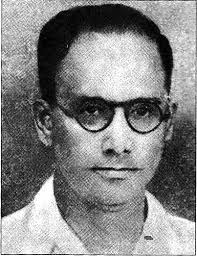
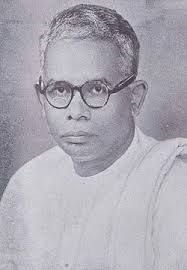
M. Bhaktavatsalam was born on 9 October 1897 in Nazarethpet (near Chennai), Madras Presidency, British India. He belonged to a respected Tamil family and lost his father at a young age. Despite personal hardships, he pursued his education diligently and completed his schooling in Madras. He later joined the Madras Law College and earned a law degree before beginning his career as an advocate in the Madras High Court.
Education & Skills
Bhaktavatsalam was highly educated and possessed strong skills in:
- Law and legal practice
- Public administration
- Political leadership
- Public speaking
- Social reform and community organization
- Journalism and writing
His legal training helped him develop analytical and leadership skills that later shaped his political career. He was known for his discipline, administrative efficiency, and dedication to public service.
Contribution to Tamil Literature
Although Bhaktavatsalam is remembered primarily as a politician and freedom fighter, he also contributed to intellectual and literary discussions through his writings and speeches.
His contributions include:
- Promoting Tamil culture and education.
- Writing books and essays on political and social issues.
- Supporting publications that encouraged national awareness.
- Running and managing the newspaper “India”, which spread nationalist ideas and informed the public about freedom movement activities.
His speeches and writings reflected his commitment to national unity, education, and social progress.
Role in India’s Freedom Movement
Bhaktavatsalam played an active role in India’s struggle for independence.
Participation in the Indian National Congress
He joined the Indian National Congress during his student years and became an active member of the freedom movement. He served in various positions within the Congress organization.
Salt Satyagraha
He participated in the famous Vedaranyam Salt Satyagraha led by C. Rajagopalachari in 1930. During the protest, he was injured and later imprisoned by the British authorities.
Quit India Movement
During the 1942 Quit India Movement, Bhaktavatsalam actively organized protests against British rule and was jailed for his participation.
Imprisonment
Throughout the freedom struggle, he was arrested multiple times and spent several periods in prison for nationalist activities. His sacrifices earned him recognition as a committed freedom fighter.
Political Career After Independence
After India gained independence in 1947, Bhaktavatsalam continued serving the nation through politics.
Major positions held:
- Minister of Public Works and Information
- Minister of Agriculture
- Minister of Home Affairs
- Minister of Finance and Education
- Chief Minister of Madras State (1963–1967)
He succeeded K. Kamaraj as Chief Minister and became the last Congress Chief Minister of Madras State before the rise of Dravidian parties in Tamil Nadu politics.
Personal Life
Bhaktavatsalam was married to Gnanasundarambal and had a daughter, Sarojini Varadappan, who later became a renowned social worker and women’s welfare activist.
Known for his simplicity and integrity, Bhaktavatsalam maintained a reputation for honesty and dedication throughout his public life.
Death
M. Bhaktavatsalam passed away on 13 February 1987 in Madras (now Chennai), Tamil Nadu, at the age of 89. His memorial is located in Chennai and continues to honor his contributions to India’s freedom struggle and public administration.
Why He Is Important in Indian History
- Active participant in India’s freedom movement.
- Imprisoned during both the Salt Satyagraha and Quit India Movement.
- One of the senior leaders of the Indian National Congress in Tamil Nadu.
- Last Congress Chief Minister of Madras State.
- Contributed to governance, education, agriculture, and public administration.
- Helped shape the political transition of Tamil Nadu during a significant period in its history.
Legacy and Recognition
Today, M. Bhaktavatsalam is remembered as:
- A dedicated freedom fighter.
- A respected statesman.
- An effective administrator.
- A leader who served both during the struggle for independence and the formative years of independent India.
His life remains an example of patriotism, public service, and commitment to democratic values.
Conclusion
M. Bhaktavatsalam occupies a significant place in the history of Tamil Nadu and India. From his early days as a lawyer to his role as a freedom fighter and eventually Chief Minister, he devoted his life to national service. His contributions to the independence movement, governance, and public welfare continue to inspire students, historians, and citizens interested in India’s rich political heritage.
About the Author