Introduction
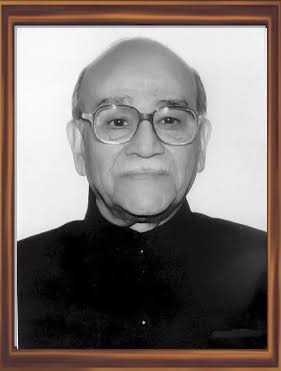
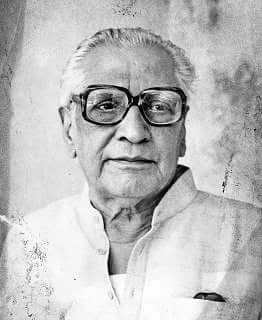
Pandit Lakshman Shastri Joshi was one of India’s most respected Sanskrit scholars, philosophers, social reformers, and thinkers. He dedicated his life to the study of Indian philosophy, Vedic literature, and social reform. Known for his deep knowledge of Hindu scriptures and his progressive views on equality and social justice, he worked to remove caste discrimination and promote harmony in society. His exceptional contribution to literature, education, and social reform earned him the Padma Vibhushan, India’s second-highest civilian award.
Early Life
Lakshman Shastri Joshi was born into a traditional Brahmin family in Maharashtra.
- Full Name: Pandit Lakshman Shastri Joshi
- Date of Birth: September 27, 1901
- Place of Birth: Pimpalner, Dhule district, Maharashtra, India
- From a young age, he showed great interest in Sanskrit, religious studies, and Indian philosophy.
Birth Date and Death
- Born: September 27, 1901
- Died: May 27, 1994
- Age at Death: 92 years
- Place of Death: Wai, Maharashtra, India
His scholarship and social reform efforts continue to influence students, researchers, and social thinkers.
Education and Career
Lakshman Shastri Joshi received traditional education in Sanskrit and Indian scriptures. He became a renowned scholar of Vedas, philosophy, and Hindu religious texts.
He later became associated with the Prajna Pathashala in Wai, Maharashtra, where he worked to promote Sanskrit education and philosophical studies. He was known for combining traditional knowledge with modern ideas of equality and social justice.
He participated in discussions on social reform and was invited by national leaders, including Mahatma Gandhi, to share his views on religion and society. He also served as the chairman of the Sanskrit Commission (1956–57) established by the Government of India to examine the role and development of Sanskrit education.
Career and Achievements
Lakshman Shastri Joshi achieved many milestones throughout his life:
- Became one of India’s leading authorities on Sanskrit and Indian philosophy.
- Promoted reforms in Hindu society based on equality and human values.
- Worked to eliminate caste discrimination and social inequality.
- Authored important works on religion, philosophy, and culture.
- Served as Chairman of the Sanskrit Commission.
- Helped make traditional Indian knowledge accessible to modern society.
- Participated in national debates on religion, ethics, and social reform.
Field of Achievement
Lakshman Shastri Joshi made significant contributions in:
- Literature
- Sanskrit Studies
- Indian Philosophy
- Social Reform
- Education
- Religious Studies
His work connected India’s ancient intellectual traditions with modern social values.
Why Did He Receive the Padma Vibhushan Award?
Lakshman Shastri Joshi received the Padma Vibhushan in 1976 for his outstanding contributions to Literature and Education.
The award recognized:
- His exceptional scholarship in Sanskrit and Indian philosophy.
- His lifelong dedication to education and research.
- His contribution to preserving and promoting Indian cultural heritage.
- His efforts toward social reform and equality.
- His writings and intellectual contributions to Indian society.
Awards and Honours
Lakshman Shastri Joshi received several prestigious honours, including:
- Padma Vibhushan (1976) – India’s second-highest civilian award for Literature and Education.
- Sahitya Akademi Award (1966) for his literary contribution.
- Recognition as one of India’s greatest Sanskrit scholars.
- Honours from academic and cultural organizations for his contributions to Indian philosophy and literature.
Interesting Facts
- Lakshman Shastri Joshi was popularly respected as a great authority on Sanskrit and Hindu philosophy.
- He supported social equality despite belonging to a traditional scholarly background.
- He participated in important national discussions on religion and social reform.
- He served as Chairman of the Sanskrit Commission appointed by the Government of India.
- His writings explored the connection between spirituality, ethics, and social justice.
- He believed that true religious knowledge should promote equality and compassion.
Legacy and Inspiration
Lakshman Shastri Joshi’s legacy continues through his writings, scholarship, and social reform ideas. He showed that ancient knowledge and progressive social values could work together. His efforts to promote equality, education, and cultural understanding continue to inspire scholars, teachers, and social reformers.
His life represents the importance of using knowledge for the betterment of society.
Contribution to the Nation
Lakshman Shastri Joshi made valuable contributions to India by:
- Preserving and promoting Sanskrit literature and Indian philosophy.
- Strengthening cultural and educational institutions.
- Encouraging social equality and opposing discrimination.
- Connecting traditional wisdom with modern social values.
- Contributing to national discussions on religion, ethics, and society.
- Inspiring generations through his scholarship and reform efforts.
His work helped protect India’s intellectual heritage while encouraging a more inclusive society.
Conclusion
Pandit Lakshman Shastri Joshi was a remarkable scholar, philosopher, and social reformer whose contributions enriched India’s cultural and intellectual life. Through his deep knowledge of Sanskrit, commitment to education, and advocacy for equality, he created a lasting impact on Indian society. His recognition with the Padma Vibhushan reflects his extraordinary service to literature, education, and social progress. His life continues to inspire those who believe in the power of knowledge and reform.
About the Author