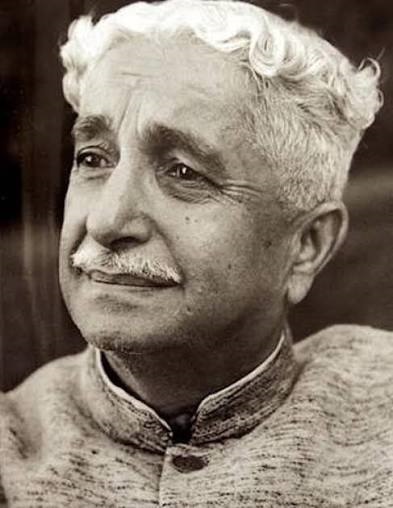
Introduction
Kuvempu, whose full name was Kuppalli Venkatappa Puttappa, was one of the greatest poets and writers in Kannada literature. He was a renowned poet, novelist, playwright, and thinker who played a major role in the development of modern Kannada literature. He was the first Kannada writer to receive the Jnanpith Award and is widely respected for promoting the ideas of humanity, equality, and universal brotherhood.
Why Did Kuvempu Receive the Padma Vibhushan Award?
Kuvempu received the Padma Vibhushan in 1988 for his outstanding contributions to literature and education.
He was honored for:
- His exceptional contribution to Kannada literature.
- Creating influential works of poetry, novels, and plays.
- Promoting Kannada language and culture.
- Spreading messages of humanism, social equality, and spiritual values through his writings.
- Inspiring generations of readers and writers.
His literary works strengthened the identity and cultural pride of Karnataka.
Early Life
Kuvempu was born on 29 December 1904 in Kuppalli, Shivamogga district, Karnataka, India. He grew up in a natural and rural environment, which deeply influenced his imagination and writing.
The beauty of the Western Ghats, village life, and Indian traditions became important themes in many of his works.
Birth Date and Death
- Birth Date: 29 December 1904
- Birth Place: Kuppalli, Shivamogga district, Karnataka, India
- Death Date: 11 November 1994
- Age at Death: 89 years
Education and Career
Education:
- Kuvempu completed his early education in Karnataka.
- He studied at Maharaja’s College, Mysore under University of Mysore.
Career:
- He began his career as a teacher.
- Later, he became a professor of Kannada literature.
- He served as the Vice-Chancellor of the University of Mysore from 1956 to 1960.
- He worked throughout his life to promote Kannada language and education.
Career and Achievements
Kuvempu made remarkable contributions to Kannada literature.
Major achievements include:
- Writing the famous epic poem Sri Ramayana Darshanam, a modern interpretation of the Ramayana.
- Writing novels, short stories, essays, and plays.
- Developing the concept of Vishwamanava (Universal Human), which emphasizes that all human beings are equal.
- Promoting Kannada as a language of knowledge and creativity.
- Inspiring generations of Kannada writers.
Field of Achievements
1. Kannada Literature
Kuvempu transformed modern Kannada poetry and literature through his creative writing.
2. Poetry
His poems combined nature, philosophy, spirituality, and human values.
3. Novels and Drama
He wrote important novels and plays that explored social issues and human relationships.
4. Education
As an educator and university leader, he worked to improve higher education in Karnataka.
Awards and Honours
Kuvempu received many prestigious awards, including:
- Padma Bhushan (1958)
- Jnanpith Award (1967) for Sri Ramayana Darshanam
- Padma Vibhushan (1988)
- Karnataka Ratna (posthumously awarded in 1992)
- Honorary recognitions from literary and educational institutions
Interesting Facts
- Kuvempu was the first Kannada writer to receive the Jnanpith Award.
- He wrote the Karnataka state anthem, Jaya Bharata Jananiya Tanujate.
- His pen name “Kuvempu” was created from the first parts of his birthplace and family name.
- His childhood experiences in rural Karnataka influenced much of his writing.
- His idea of “Vishwamanava” promoted equality and global brotherhood.
Legacy and Inspiration
Kuvempu’s writings continue to influence Kannada literature and Indian culture. His message of universal humanity, respect for nature, and social equality remains relevant today.
His life inspires writers, students, and readers to value their language, culture, and human values.
Contribution to the Nation
Kuvempu contributed to India by:
- Enriching Indian literature through Kannada works.
- Promoting regional languages and cultural heritage.
- Encouraging education and intellectual development.
- Spreading messages of equality and humanity.
- Inspiring future generations through his literary achievements.
Conclusion
Kuvempu was not just a poet but a visionary thinker who shaped modern Kannada literature. His powerful writings, educational service, and humanistic ideas made him one of India’s greatest literary figures. His legacy continues to inspire people to celebrate language, culture, and the values of humanity.
About the Author