1. Introduction
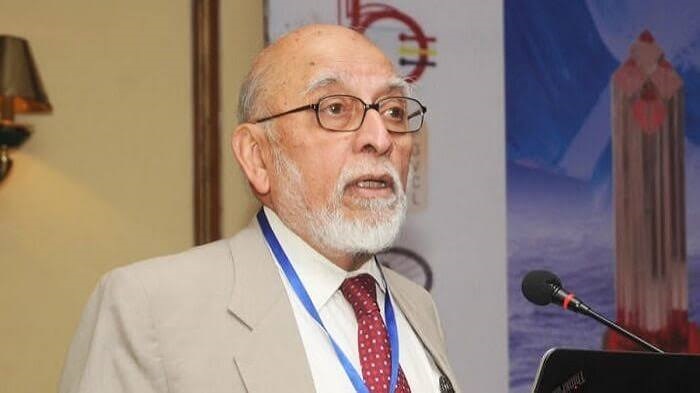
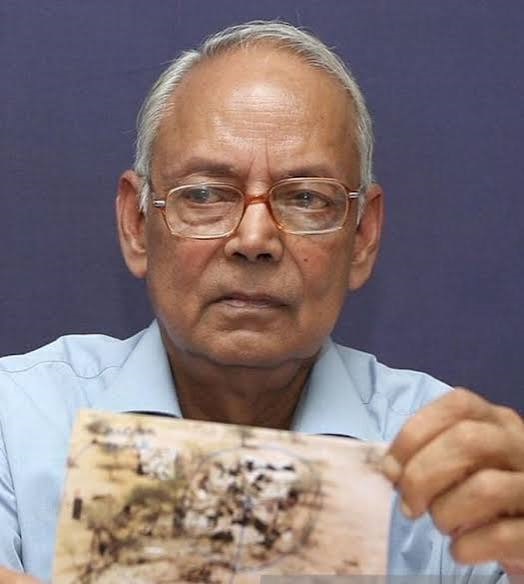
Dr. Krishnamurthy Santhanam was a distinguished Indian nuclear scientist, defense analyst, and systems engineer whose contribution to India’s strategic deterrent is written into history. As the field director and chief technical coordinator for the Defence Research and Development Organisation (DRDO) during the historic 1998 Pokhran-II nuclear tests, Dr. Santhanam played an instrumental role in ensuring India’s technological sovereignty. A fearless voice in strategic affairs, he balanced hardcore nuclear physics with deep geopolitical analysis until his passing in 2021.
2. Quick Facts
- Full Name: Krishnamurthy Santhanam (often addressed as K. Santhanam or “Santy”)
- Native Name: കൃഷ്ണമൂർത്തി സന്താനം (Malayalam) / कृष्णमूर्ति संथानम (Hindi)
- Date of Birth: December 7, 1937
- Place of Birth: Tamil Nadu, India
- Nationality: Indian
- Occupation / Profession: Nuclear Scientist, Defence Analyst, and Systems Engineer
- Field of Achievement: Nuclear Physics, Strategic Technology, and National Security Affairs
- Years Active: 1960s – 2021
3. Award Information (Focus on Padma Bhushan)
- Award Name: Padma Bhushan
- Award Category: India’s Third-Highest Civilian Award
- Award Year: 1999
- Presented By: Government of India (Conferred by President K. R. Narayanan)
- Date of Ceremony: 1999
- Citation/Official Reason: In recognition of his exceptional and distinguished service to the nation in the field of science, technology, and national defense, particularly regarding the execution of Operation Shakti (Pokhran-II).
- Previous Recipients (Notable): Prominent scientists and civilian leaders.
- Next Recipients (Notable): Co-recipients of the 1999 Padma honors class.
4. Why Did He Receive the Award?
Dr. Santhanam was honored with the Padma Bhushan for his critical leadership as the field director of test site preparations during the May 1998 Pokhran-II nuclear tests (Operation Shakti). Operating under extreme secrecy and international scrutiny, he coordinated the complex underground logistics and technical protocols at the Thar Desert test range, enabling India to successfully declare itself a nuclear-weapon state.
5. Early Life
Born in Tamil Nadu, Dr. Santhanam grew up with an intense curiosity for exact sciences and mathematics. Imbued with a strong sense of national duty from a young age, he gravitated toward advanced physics and technical research. His early formative years built the analytical backbone that would later take him into the core echelons of India’s atomic energy and defense establishments.
6. Education
- Foundational Studies: Completed his early schooling and science foundation in India.
- Higher Education & Research: Pursued advanced studies in physics and systems engineering, building specialized expertise in nuclear interactions, atmospheric science, and radiation modeling.
- Global Publications: Early in his academic career, his scientific research extended into astrophysics and planetary chemistry, including co-authoring pioneering papers on organic molecules in Titan’s atmosphere published in journals like Nature.
7. Career Journey
- Trombay Years: Spent nearly 16 years as a frontline researcher at the Bhabha Atomic Research Centre (BARC) in Trombay, mastering nuclear engineering and reactor physics.
- DRDO & Pokhran-II (1998): Served as the Chief Technical Adviser and DRDO Field Director of test site preparations for Operation Shakti under the leadership of Dr. A.P.J. Abdul Kalam.
- Think-Tank Leadership: Transitioned into strategic security analysis, serving as the Director of the Institute for Defence Studies and Analyses (IDSA) from 2000 to 2004.
- Later Years: Acted as a senior mentor, consultant, and intellectual voice on Indian defense strategy, national security, and international relations until his passing in April 2021.
8. Major Achievements
- Operation Shakti Execution: Successfully managed the physical preparations, instrumentation wiring, and containment engineering for the five underground nuclear detonations at Pokhran in May 1998.
- Scientific Publications: Authored significant research papers spanning nuclear technology, atmospheric physics, and Asian security structures.
- Strategic Discourse: Redefined independent defense evaluation in India by rigorously questioning technical status quos and advocating for comprehensive strategic preparedness against regional threats.
9. Contribution to the Nation
Dr. Santhanam’s ultimate contribution to India was operationalizing the nation’s nuclear deterrent capability under intense global pressure. By overseeing the flawless execution of the Pokhran test sites, he provided India’s political and military leadership with the strategic leverage necessary to maintain autonomy in a multipolar world. Later in life, through his work at IDSA, he shaped generations of security analysts and defense policy frameworks.
10. Other Awards and Honours
- Padma Bhushan (1999)
- Agni Award for Excellence in Self-Reliance (DRDO)
- Felicitations from multiple premier scientific and strategic bodies for lifetime defense contributions.
11. Legacy and Influence
Dr. Santhanam is remembered as a fearless scientist who valued empirical truth and strategic preparedness above institutional comfort. Affectionately known as “Santy” to colleagues and mentees, he was admired for his intellectual rigor, directness, and unwavering commitment to India’s national security. His legacy lives on in the institutional capabilities of the DRDO and the robust debate he fostered around India’s long-term nuclear doctrine.
12. Interesting Facts
- The “Spook and Cop” Analogy: Known for his sharp wit, Dr. Santhanam famously described his professional background as that of “a cop and a spook,” reflecting his unique blend of technical oversight and intelligence-driven strategic analysis.
- Broad Scientific Range: Long before managing nuclear detonations, his early scientific portfolio included co-authoring peer-reviewed astrophysics papers in Nature regarding organic chemistry on Saturn’s moon, Titan.
- Uncompromising Stance: Even after receiving the Padma Bhushan, he did not shy away from sparking healthy public debates regarding the exact yields of thermonuclear tests, prioritizing absolute technological transparency.
13. Quotes
“The attempt is to give the dog a bad name. But this dog has not lost its bite.” — Dr. K. Santhanam (Defending his independent scientific evaluations)
14. Timeline
- 1937: Born on December 7.
- 1960s–70s: Conducted nuclear and atmospheric research at BARC, Trombay.
- 1981: Co-authored landmark planetary science research papers in Nature.
- 1998: Acted as DRDO Field Director during the Pokhran-II nuclear tests in May.
- 1999: Conferred the Padma Bhushan by the Government of India.
- 2000–2004: Served as Director of the Institute for Defence Studies and Analyses (IDSA).
- 2021: Passed away on April 26 in New Delhi at the age of 83.
15. References
- Ministry of Home Affairs, Government of India – Padma Awards Directory.
- Defence Research and Development Organisation (DRDO) Archives.
- National Media Archives & Obituaries (The Hindu, The Indian Express, Economic Times).
16. Related Personalities
- Dr. A.P.J. Abdul Kalam (Chief Coordinator of Pokhran-II and former President of India)
- Dr. R. Chidambaram (Former Chairman of the Atomic Energy Commission)
- Dr. Anil Kakodkar (Former Director of BARC and AEC Chairman)
- P. K. Iyengar (Former Chairman of the Atomic Energy Commission)
17. Frequently Asked Questions (FAQ)
- Q: What was Dr. Krishnamurthy Santhanam’s primary role in Pokhran-II?A: He served as the field director and chief technical coordinator for the DRDO, managing test site preparations for Operation Shakti in May 1998.
- Q: When did he receive the Padma Bhushan?A: He was awarded the Padma Bhushan, India’s third-highest civilian honor, in 1999.
- Q: What organizations was he associated with?A: He worked closely with the Bhabha Atomic Research Centre (BARC), the Defence Research and Development Organisation (DRDO), and served as the Director of the Institute for Defence Studies and Analyses (IDSA
About the Author