

Introduction
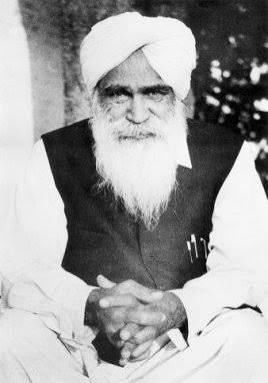
Kirpal Singh (1911–1992) was a distinguished Indian jurist, judge, and public servant who made significant contributions to the Indian judicial system. He served as the Chief Justice of India and was known for his dedication to justice, constitutional values, and legal excellence.
He played an important role in strengthening India’s judiciary after independence and contributed to the development of legal principles in the country. For his outstanding service in the field of law and public affairs, he was honoured with the Padma Vibhushan in 1972.
Why Did Kirpal Singh Receive the Padma Vibhushan Award?
Kirpal Singh received the Padma Vibhushan in 1972 for his exceptional contribution to the field of law and public service.
The award recognized his:
- Distinguished service as a judge and Chief Justice of India.
- Contribution to the growth and independence of the Indian judiciary.
- Commitment to upholding the Constitution and rule of law.
- Leadership in improving legal administration in India.
His judicial career reflected fairness, integrity, and dedication to justice.
Early Life
Kirpal Singh was born on 20 August 1911 in Punjab, British India. He grew up during a period when India was experiencing major political and social changes.
He developed an interest in education and law from an early age. His strong academic background and commitment to public service guided him toward a successful legal career.
Education and Career
Kirpal Singh received his education in India and studied law to pursue a career in the legal profession.
Legal Career:
- He began his career as a lawyer and gained experience in legal practice.
- He later became a judge and served in various judicial positions.
- He was appointed as a judge of the Punjab High Court.
- He became the Chief Justice of the Punjab High Court.
- In 1972, he was appointed as the Chief Justice of India.
During his career, he contributed to maintaining the dignity and independence of the judiciary.
Career and Achievements
1. Chief Justice of India
Kirpal Singh served as the 13th Chief Justice of India from 1972 to 1973.
As Chief Justice, he worked to strengthen the judicial system and ensure that courts continued to protect constitutional principles.
2. Contribution to Indian Judiciary
His important contributions include:
- Promoting fairness and impartiality in legal decisions.
- Supporting the independence of the judiciary.
- Encouraging professional standards among legal practitioners.
- Helping develop India’s judicial framework after independence.
3. Public Service
Apart from his judicial responsibilities, Kirpal Singh contributed to legal education and public administration. His knowledge and experience made him a respected figure in India’s legal community.
Field of Achievements
Kirpal Singh made achievements mainly in the following fields:
Law and Judiciary
He played a major role in strengthening India’s legal system through his judicial service.
Constitutional Governance
He worked to protect the principles of justice, equality, and constitutional values.
Public Administration
His leadership helped improve the functioning of legal institutions.
Legal Education
He contributed to the growth of legal knowledge and professional standards.
Awards and Honours
Important honours received by Kirpal Singh include:
- Padma Vibhushan (1972) – India’s second-highest civilian honour, awarded for his exceptional service in law and public affairs.
- Recognition as a distinguished jurist and former Chief Justice of India.
- Respect from the legal community for his integrity and judicial contributions.
Interesting Facts About Kirpal Singh
- He served as the Chief Justice of India, one of the highest judicial positions in the country.
- He belonged to the generation of judges who helped shape India’s legal system after independence.
- He was known for his honesty, discipline, and commitment to justice.
- His career reflected the importance of an independent judiciary in a democracy.
- His contributions helped strengthen public confidence in the Indian legal system.
Legacy and Inspiration
Kirpal Singh’s legacy continues through the principles of fairness, independence, and constitutional responsibility that he represented.
His life inspires legal professionals and citizens to respect the rule of law and work with honesty and dedication. His career demonstrates how the judiciary plays an essential role in protecting democracy and citizens’ rights.
Contribution to the Nation
Kirpal Singh contributed to India by:
- Serving the nation through the highest levels of the judiciary.
- Strengthening the legal system and constitutional governance.
- Promoting justice and equality through his judicial work.
- Helping build public trust in democratic institutions.
- Inspiring future generations of lawyers and judges.
Conclusion
Kirpal Singh was a respected jurist whose life was dedicated to justice and public service. As a judge and Chief Justice of India, he made valuable contributions to strengthening the country’s judicial system.
The Padma Vibhushan award recognized his exceptional achievements and commitment to law. His dedication to fairness, integrity, and constitutional values continues to inspire India’s legal community and citizens.
About the Author




