

1. Introduction
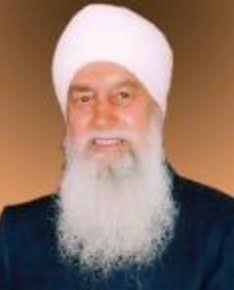
Dr. Khem Singh Gill (1930–2019) was a towering Indian agricultural scientist, pioneering geneticist, and plant breeder who served as a foundational force behind India’s historic Green Revolution. As a visionary leader at Punjab Agricultural University (PAU), his breakthrough research in developing high-yielding, disease-resistant crop varieties transformed India from a nation facing severe food deficits into a self-sufficient food exporter. He was honored with the Padma Bhushan in 1992 for his exceptional services to agricultural science.
2. Quick Facts
- Full Name: Dr. Khem Singh Gill
- Native Name: ਖੇਮ ਸਿੰਘ ਗਿੱਲ (Punjabi)
- Date of Birth: September 1, 1930
- Place of Birth: Kaleke, Moga District, Punjab, British India
- Date of Death: September 17, 2019 (aged 89) in Ludhiana, Punjab, India
- Nationality: Indian
- Occupation / Profession: Agricultural Scientist, Geneticist, Plant Breeder, Academic Administrator
- Field of Achievement: Plant Breeding, Genetics, Agricultural Education, Food Security
- Years Active: c. 1951 – 2019
3. Award Information (Focus: Padma Bhushan)
- Award Name: Padma Bhushan
- Award Category: Civil Honour (India’s third-highest civilian award)
- Award Year: 1992
- Presented By: The President of India
- Date of Ceremony: 1992
- Citation / Official Reason: For exceptional and distinguished service to the nation in the field of science, specifically for agricultural research and developing high-yielding crop cultivars.
- Previous Recipients: Eminent scientists, agronomists, and nation-builders of India.
- Next Recipients: Succeeding batches of national civilian honorees.
4. Why They Received the Award
Dr. Khem Singh Gill received the Padma Bhushan in 1992 in recognition of his multi-decadal contributions to agricultural science and food security. Working alongside global agricultural pioneers like Norman Borlaug, Dr. Gill engineered superior crop strains that dramatically boosted grain productivity across India, steering the nation out of agrarian vulnerability.
5. Early Life
Born on September 1, 1930, in the rural village of Kaleke in Punjab’s Moga district, Gill grew up closely tied to the land and farming communities. Witnessing the struggles of agrarian life during the pre-independence era deeply inspired him to pursue scientific agriculture, directing his intellect toward modernizing farming techniques to eradicate rural poverty and hunger.
6. Education
- Undergraduate Degree: Completed his Bachelor of Science in Agricultural Science from Khalsa College, Amritsar, in 1949.
- Postgraduate Studies: Earned his Master of Science (MSc) in Agriculture from Punjab University in 1951.
- Doctoral Research: Traveled to the United States and earned his PhD in Genetics from the University of California in 1966, mastering cutting-edge genetic mapping and plant hybridization techniques.
7. Career Journey
- Early Research: Began as a research assistant in the Department of Agriculture, Punjab, before joining the newly formed Punjab Agricultural University (PAU).
- Academic Leadership at PAU: Ascended through key institutional roles, heading the Department of Plant Breeding (1968–1979), serving as Dean of the College of Agriculture (1979–1983), and acting as Director of Research (1983–1987).
- Vice-Chancellorship: Served as the Vice-Chancellor of Punjab Agricultural University (PAU) from 1990 to 1993, cementing its status as a world-class agricultural institution.
- Global Collaborations: Collaborated closely with international organizations like the International Maize and Wheat Improvement Center (CIMMYT).
8. Major Achievements
- Development of 30+ Crop Varieties: Personally led or contributed to the breeding and release of over 30 improved high-yielding varieties of wheat, linseed, sesame, pearl millet, barley, and triticale.
- Pioneering the Green Revolution: Played a core operational role in expanding wheat production technologies that averted mass famines in South Asia.
- Prolific Author and Mentor: Published over 475 research papers and authoritative books (such as Research on Wheat and Triticale in the Punjab), guiding dozens of doctoral and master’s students.
9. Contribution to the Nation
Dr. Gill’s scientific leadership directly contributed to India’s self-reliance in food grain production. By transforming laboratories into practical fields and introducing disease-resistant, high-yielding seed varieties, he ensured that Indian agriculture could feed its rapidly expanding population while generating export surpluses. His commitment to institutional building established Punjab Agricultural University as the epicenter of India’s agricultural modernization.
10. Other Awards and Honours
- Padma Bhushan (1992) by the Government of India
- Rafi Ahmed Kidwai Award (1976) by the Indian Council of Agricultural Research (ICAR)
- ICAR Team Research Award (1981)
- FICCI Award (1985) for Science and Technology
- Fellowships from the Indian National Science Academy (INSA), National Academy of Agricultural Sciences (NAAS), and The World Academy of Sciences (TWAS).
11. Legacy and Influence
Dr. Khem Singh Gill is revered as a “saint-scientist” who combined academic rigor with deep social responsibility. His crop breeding frameworks continue to guide sustainable agricultural practices. Post-retirement, he remained deeply active in philanthropy and spiritual education through organizations like the Kalgidhar Trust, Baru Sahib, supporting rural empowerment and value-based education.
12. Interesting Facts
- Collaboration with Borlaug: In the 1960s, Dr. Gill worked alongside Nobel laureate Norman Borlaug to adapt semi-dwarf, high-yielding Mexican wheat varieties to Indian soil and climatic conditions.
- Prolific Output: Despite his heavy administrative duties as Vice-Chancellor and Director of Research, he remained an active researcher, authoring hundreds of peer-reviewed papers.
- Lifelong Service to Punjab: Refused numerous lucrative international assignments to remain grounded in Punjab, dedicating his career entirely to indigenous institution-building.
13. Quotes
“The ultimate test of agricultural science is whether it can put food on the plate of the poorest farmer while keeping the soil fertile for generations to come.” — Dr. Khem Singh Gill
14. Timeline
- 1930: Born on September 1 in Kaleke, Punjab.
- 1949: Completes his BSc in Agricultural Science from Khalsa College, Amritsar.
- 1966: Earns his PhD in Genetics from the University of California, USA.
- 1976: Receives the prestigious Rafi Ahmed Kidwai Award from ICAR.
- 1990: Assumes office as Vice-Chancellor of Punjab Agricultural University.
- 1992: Conferred India’s prestigious Padma Bhushan.
- 2019: Passes away on September 17 in Ludhiana at the age of 89.
15. References
- Wikipedia contributors. “Khem Singh Gill.” Wikipedia, The Free Encyclopedia.
- The Indian Express. “Dr Khem Singh Gill (1930-2019): One of the pioneers of Green Revolution…”
- Indian National Science Academy (INSA). “Deceased Fellow Profile: Dr. Khem Singh Gill”.
- Ministry of Home Affairs, Government of India. “Padma Awards Directory”.
16. Related Personalities
- Norman Borlaug: Nobel Peace Prize-winning agronomist who collaborated with Dr. Gill on wheat hybridization.
- M. S. Swaminathan: Legendary architect of India’s Green Revolution and contemporary agricultural scientist.
- Dr. Sukhdev Singh: Former VC of PAU and pioneer in Indian agricultural research.
17. Frequently Asked Questions (FAQ)
Q1: Who was Dr. Khem Singh Gill?
A: He was a renowned Indian geneticist and plant breeder who played a central role in India’s Green Revolution by developing high-yielding crop varieties.
Q2: What major national award did he receive?
A: He was awarded the Padma Bhushan in 1992 by the Government of India for his pioneering contributions to agricultural science.
Q3: What institution was he most closely associated with?
A: He spent decades at Punjab Agricultural University (PAU), culminating in his service as its Vice-Chancellor from 1990 to 1993.
About the Author




