

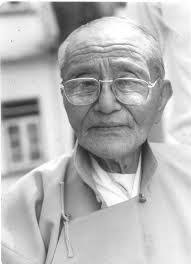
Introduction
Kazi Lhendup Dorjee was a prominent Indian politician and statesman who played a historic role in the transformation of Sikkim into a state of India. As the first Chief Minister of Sikkim, he guided the region through a major political transition and worked for democratic governance, development, and the welfare of its people. His leadership, dedication to public service, and contribution to national integration earned him the Padma Vibhushan.
Early Life
Kazi Lhendup Dorjee was born into a respected family in Sikkim. From an early age, he showed interest in social service and public welfare. He was influenced by Buddhist values and the importance of community development.
During his youth, he worked toward improving the lives of ordinary people and became involved in social and political movements that sought greater representation and democratic rights for the people of Sikkim.
Birth Date and Death
- Full Name: Kazi Lhendup Dorjee Khangsarpa
- Date of Birth: 11 October 1904
- Place of Birth: Pakyong, Sikkim (then a Himalayan kingdom)
- Date of Death: 28 July 2007
- Place of Death: Kalimpong, West Bengal, India
- Age at Death: 102 years
Education and Career
Education
Kazi Lhendup Dorjee received his early education in Sikkim. He later studied at a Buddhist monastery, where he gained knowledge of Buddhist philosophy, leadership, and social values.
His education and experiences shaped his vision of social justice, democracy, and public service.
Career
Kazi Lhendup Dorjee had a long and influential political career.
Major milestones include:
- Became a leader of the democratic movement in Sikkim.
- Founded the Sikkim State Congress in 1947.
- Worked for democratic reforms and people’s participation in governance.
- Played a key role during Sikkim’s transition from a monarchy to a democratic system.
- Became the first Chief Minister of Sikkim in 1975 after Sikkim became the 22nd state of India.
As Chief Minister, he focused on development, education, infrastructure, and integration with India.
Why Did He Receive the Padma Vibhushan Award?
Kazi Lhendup Dorjee received the Padma Vibhushan in 2002 for his exceptional contribution to public affairs.
He was honored because he:
- Played a historic role in bringing democracy to Sikkim.
- Contributed to the peaceful integration of Sikkim with India.
- Served as the first Chief Minister of the state.
- Worked for social welfare and economic development.
- Promoted unity and cooperation among different communities.
His leadership was considered important in shaping modern Sikkim.
Career and Achievements
Kazi Lhendup Dorjee achieved several important milestones during his public life.
Major achievements include:
- Led the movement for democratic reforms in Sikkim.
- Helped establish a democratic government in the state.
- Guided Sikkim during its early years as part of India.
- Improved administrative systems and public services.
- Promoted education and infrastructure development.
- Worked for peaceful relations among different communities.
His leadership played a significant role in Sikkim’s political history.
Field of Achievement
Kazi Lhendup Dorjee’s main fields of achievement include:
- Politics and Public Administration
- Democratic Reform
- State Leadership
- Social Development
- National Integration
- Community Welfare
Awards and Honours
Kazi Lhendup Dorjee received several honours for his contributions.
Major recognition includes:
- Padma Vibhushan (2002)
- Recognition for his role in public service and national integration
- Honours from government and cultural organizations for his contributions to Sikkim
Interesting Facts
- Kazi Lhendup Dorjee was the first Chief Minister of Sikkim.
- He played a key role in Sikkim becoming a state of India in 1975.
- He lived for more than 100 years.
- He was known for his peaceful approach to politics and leadership.
- His wife, Helen Lepcha, was also involved in social and political activities.
- He remains one of the most important figures in Sikkim’s modern history.
Legacy and Inspiration
Kazi Lhendup Dorjee’s legacy is closely connected with democracy, development, and national unity. His efforts helped shape Sikkim’s political identity and strengthened its connection with India.
His life inspires leaders and citizens to work for peaceful change, public welfare, and inclusive development. He is remembered as a leader who placed the interests of the people above personal power.
Contribution to the Nation
Kazi Lhendup Dorjee made important contributions to India by:
- Helping integrate Sikkim into the Indian Union.
- Establishing democratic governance in Sikkim.
- Promoting development and social welfare.
- Strengthening national unity and regional stability.
- Representing the aspirations of the people of Sikkim.
- Supporting peaceful political transformation.
His role remains significant in India’s political and constitutional history.
Conclusion
Kazi Lhendup Dorjee was a visionary leader whose dedication shaped the future of Sikkim. As the first Chief Minister of Sikkim, he guided the state through a historic period of political change and development. His commitment to democracy, public service, and national integration earned him the Padma Vibhushan, one of India’s highest civilian honours. His life continues to inspire people through his message of peaceful leadership, unity, and service to society.
About the Author




