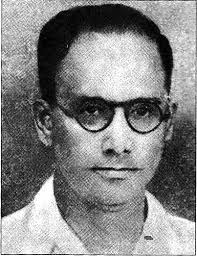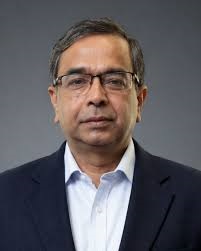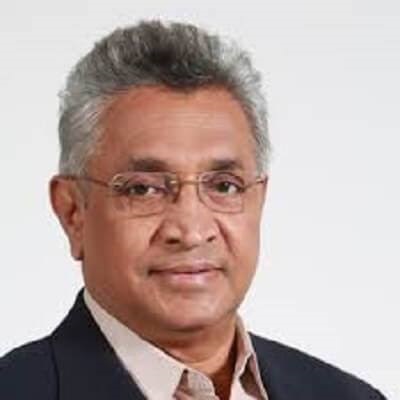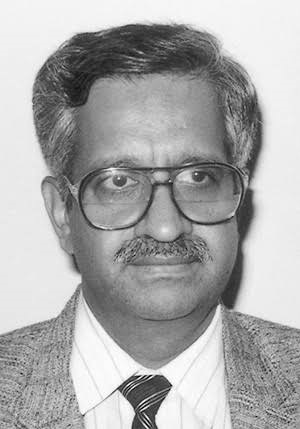
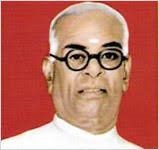
Karumuttu Thiagarajan Chettiar, popularly known as “Kalaithanthai” (Father of Arts) and the “Textile Baron of South India,” was a renowned industrialist, philanthropist, educationist, Tamil scholar, and supporter of India’s freedom movement. His contributions to industry, education, and Tamil culture left a lasting impact on Tamil Nadu.
Early Life and Education
Karumuttu Thiagarajan Chettiar was born on 16 June 1893 in Athikkadu Thekkur (present-day Sivaganga district, Tamil Nadu) into the Nagarathar (Chettiar) community. He was the youngest child of Muthukaruppan Chettiar and Sivakami Achi. From an early age, he displayed an interest in learning, culture, and public service.
He pursued his education at St. Thomas’ College, Colombo, Sri Lanka, where he gained proficiency in English while developing a strong appreciation for Tamil language, literature, and Saiva Siddhanta philosophy.
Education & Skills
Karumuttu Thiagarajan Chettiar was a multifaceted personality with expertise in:
- Business administration and entrepreneurship
- Textile manufacturing and industrial management
- Journalism and publishing
- Educational administration
- Tamil literature and cultural promotion
- Social reform and philanthropy
His leadership skills helped him establish numerous industries and educational institutions that benefited society for decades.
Contribution to Tamil Literature
Karumuttu Thiagarajan Chettiar was a passionate promoter of Tamil language and culture. He supported Tamil scholars, writers, and literary organizations and worked tirelessly to preserve and popularize Tamil heritage.
His contributions include:
- Publishing the Tamil Nadu Daily newspaper.
- Encouraging Tamil scholarship and literary activities.
- Supporting the study of Tamil literature and Saiva Siddhanta.
- Establishing educational institutions that promoted Tamil culture and learning.
Because of his dedication to Tamil arts and literature, he earned the honorary title “Kalaithanthai.”
Role in India’s Freedom Movement
Karumuttu Thiagarajan Chettiar actively participated in India’s struggle for independence. During his stay in Sri Lanka, he edited publications that highlighted the problems faced by Indian plantation workers.
After returning to India, he became associated with the Indian National Congress and served as the Secretary of the Madras Province Congress Committee. He supported nationalist causes and worked alongside freedom fighters to strengthen the independence movement in South India.
His commitment to nationalism earned him recognition as a freedom activist as well as an industrial leader.
Personal Life
Karumuttu Thiagarajan Chettiar lived a disciplined and service-oriented life. Despite his immense business success, he remained committed to education, social welfare, and cultural development. He was known for his philanthropy and dedication to public causes.
He founded numerous institutions, including:
- Thiagarajar College
- Thiagarajar College of Engineering
- Thiagarajar School of Management
- Thiagarajar Polytechnic College
These institutions continue to educate thousands of students and uphold his vision of social progress through education.
Death
Karumuttu Thiagarajan Chettiar passed away on 29 July 1974 in Madurai, Tamil Nadu, at the age of 81. His death marked the end of an extraordinary life dedicated to industry, education, Tamil culture, and national service.
Why Important in Indian History
Karumuttu Thiagarajan Chettiar occupies a significant place in Indian history because:
- He participated in India’s freedom movement.
- He pioneered industrial development in South India.
- He established several educational institutions.
- He promoted Tamil language and literature.
- He created employment opportunities through textile industries.
- He combined business success with social responsibility.
One of the Early Nation-Builders
While not a revolutionary in the armed struggle sense, Karumuttu Thiagarajan Chettiar was one of the important nation-builders of modern Tamil Nadu. Through education, industry, journalism, and philanthropy, he helped strengthen Indian society during and after the freedom movement.
Legacy and Recognition
His legacy continues through:
- More than a dozen textile mills established under his leadership.
- Numerous educational institutions across Tamil Nadu.
- Promotion of Tamil language and culture.
- Contributions to social welfare and philanthropy.
- Recognition as one of Tamil Nadu’s greatest industrialists and educationists.
Conclusion
Karumuttu Thiagarajan Chettiar was a visionary industrialist, freedom activist, educationist, and patron of Tamil culture. His efforts in industrial development, educational advancement, and cultural preservation transformed countless lives in Tamil Nadu. Even today, his institutions and ideals continue to inspire future generations, making him one of the most respected figures in the history of modern Tamil Nadu.
About the Author