

Introduction
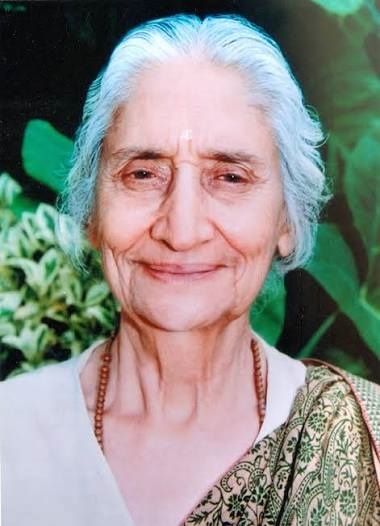
Kapila Vatsyayan was one of India’s most distinguished scholars, cultural historians, and art administrators. She dedicated her life to preserving and promoting India’s rich artistic heritage, including classical dance, music, theatre, literature, and visual arts. Through her research, teaching, and leadership, she helped bring Indian culture to global recognition. In acknowledgment of her extraordinary contributions to Art and Culture, she was awarded the Padma Vibhushan, India’s second-highest civilian honor.
Why Did She Receive the Padma Vibhushan Award?
Kapila Vatsyayan was awarded the Padma Vibhushan in 2011 for her exceptional contributions to Art, particularly in the fields of Indian culture, classical arts, and cultural preservation.
The Government of India recognized her for:
- Her pioneering research on Indian classical dance, theatre, and aesthetics.
- Promoting and preserving India’s cultural heritage.
- Strengthening cultural institutions and arts education.
- Encouraging interdisciplinary studies of Indian art and philosophy.
- Representing Indian culture at national and international forums.
Her lifelong dedication made her one of India’s foremost cultural scholars.
Career and Achievements
Kapila Vatsyayan had a remarkable career spanning more than six decades in academia, cultural administration, and research.
Some of her major achievements include:
- Served as the founding Director of the Indira Gandhi National Centre for the Arts (IGNCA).
- Played a key role in establishing policies for the preservation of India’s artistic and cultural heritage.
- Authored numerous influential books and research papers on Indian art, dance, theatre, architecture, and philosophy.
- Worked with UNESCO on cultural preservation initiatives.
- Served as a Member of the Rajya Sabha from 2006 to 2012.
- Received international recognition for promoting Indian arts and culture.
Her work transformed the study and appreciation of Indian cultural traditions.
Early Life
Kapila Vatsyayan was born into a family that valued education, literature, and the arts. From a young age, she developed a deep interest in Indian culture, classical dance, music, and philosophy. Her passion for learning inspired her to pursue advanced studies in both India and abroad.
Birth Date and Death
- Born: 25 December 1928
- Birthplace: New Delhi
- Died: 16 September 2020
- Place of Death: New Delhi
- Age at Death: 91 years
She left behind a lasting legacy as one of India’s greatest cultural scholars.
Education and Career
Education
Kapila Vatsyayan received an outstanding education in literature, culture, and the arts.
She studied at:
- University of Delhi.
- University of Michigan.
- Banaras Hindu University.
She also trained in several Indian classical dance forms under renowned gurus, combining academic scholarship with practical artistic experience.
Career
Throughout her distinguished career, she served as:
- Scholar of Indian art and aesthetics.
- Cultural historian.
- Author and researcher.
- Secretary in the Ministry of Education, Government of India.
- Founding Director of IGNCA.
- Member of the Rajya Sabha.
- Adviser to national and international cultural organizations.
Field of Achievement
Kapila Vatsyayan made exceptional contributions in:
- Indian Classical Dance
- Art History
- Cultural Studies
- Literature
- Theatre Studies
- Cultural Administration
- Heritage Conservation
- Education
Awards and Honours
Kapila Vatsyayan received numerous prestigious awards, including:
- Padma Vibhushan (2011) – India’s second-highest civilian award.
- Padma Bhushan (1999).
- Sangeet Natak Akademi Fellowship.
- Lalit Kala Akademi Fellowship.
- Honorary doctorates from several universities in India and abroad.
- Numerous national and international awards for cultural scholarship.
These honors recognized her extraordinary contributions to Indian arts and culture.
Interesting Facts
- She was a trained classical dancer as well as a renowned scholar.
- She believed that dance, music, theatre, literature, and architecture were interconnected forms of Indian culture.
- She authored many influential books on Indian aesthetics and performing arts.
- She represented India at UNESCO and other international cultural forums.
- She played a key role in establishing the Indira Gandhi National Centre for the Arts.
- Her work combined academic research with practical knowledge of Indian classical traditions.
- She inspired generations of artists, researchers, and cultural historians.
Legacy and Inspiration
Kapila Vatsyayan’s legacy continues through:
- Her pioneering research on Indian arts and culture.
- The continued work of the Indira Gandhi National Centre for the Arts.
- Her influential books that remain important references for students and scholars.
- Her efforts to preserve India’s cultural heritage for future generations.
- Her inspiration to artists, researchers, educators, and policymakers.
Her vision continues to shape the study and promotion of Indian culture worldwide.
Contribution to the Nation
Kapila Vatsyayan made lasting contributions to India by:
- Preserving and promoting India’s classical arts and cultural traditions.
- Strengthening institutions dedicated to heritage conservation and research.
- Encouraging interdisciplinary studies of Indian civilization.
- Representing India’s cultural heritage on international platforms.
- Advising the Government of India on cultural and educational policies.
- Inspiring greater appreciation for India’s diverse artistic traditions.
Her work helped ensure that India’s cultural heritage remains vibrant, accessible, and respected around the world.
Conclusion
Kapila Vatsyayan was an extraordinary scholar, cultural visionary, and administrator whose lifelong dedication enriched India’s artistic and intellectual heritage. Through her research, leadership, and advocacy, she preserved and promoted the country’s classical traditions while inspiring generations of scholars and artists. The Padma Vibhushan honored her exceptional contribution to Art and Culture and her enduring service to the nation. Her legacy continues to guide cultural institutions and inspire everyone committed to preserving India’s rich heritage.
About the Author




