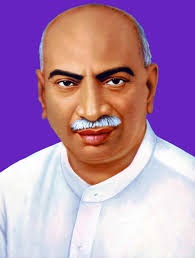
K. Kamaraj, popularly known as “Perunthalaivar” (Great Leader), was one of India’s most respected freedom fighters and political leaders. He played a crucial role in India’s independence movement and later became the Chief Minister of Madras State (now Tamil Nadu), earning widespread recognition for his educational and social welfare reforms.
Early Life and Education
Kamaraj was born on 15 July 1903 in Virudhunagar, Tamil Nadu, to Kumaraswami Nadar and Sivakami Ammal. He came from a modest family engaged in the trading business.
His formal education was limited. After the death of his father when Kamaraj was young, he left school around the sixth standard to support his family. Despite not receiving higher education, he developed a deep understanding of politics, society, and administration through self-learning and practical experience.
Education & Skills
Although Kamaraj had limited formal schooling, he possessed exceptional abilities in:
- Leadership and public administration
- Organization and political strategy
- Public speaking
- Social welfare planning
- Grassroots mobilization
- Decision-making and governance
His practical wisdom, integrity, and ability to connect with ordinary people made him one of India’s most effective political leaders.
Contribution to Tamil Literature
Kamaraj was not primarily a literary figure, but he made significant contributions to the growth of Tamil language and education.
Promotion of Education
His greatest contribution to Tamil culture was expanding educational opportunities across Tamil Nadu. During his tenure as Chief Minister, thousands of schools were established in rural areas, allowing Tamil-speaking children access to education.
Support for Tamil Language
Kamaraj encouraged the use of Tamil in education and public life. His educational reforms helped increase literacy and enabled more people to read and appreciate Tamil literature.
Encouragement of Libraries
He promoted the establishment of libraries and reading facilities, creating opportunities for the wider dissemination of Tamil literary works.
Role in India’s Freedom Movement
Kamaraj actively participated in India’s struggle against British rule from a young age.
Joining the National Movement
Inspired by the leadership of Mahatma Gandhi, he joined the Indian National Congress in his teens and became involved in nationalist activities.
Non-Cooperation Movement
He participated in the Non-Cooperation Movement, encouraging people to support the boycott of British institutions and goods.
Civil Disobedience Movement
Kamaraj took part in the Civil Disobedience Movement and was imprisoned by the British authorities for his activities.
Quit India Movement
During the Quit India Movement, he played an important organizational role and was again arrested and imprisoned.
Imprisonment
Over the course of the freedom struggle, Kamaraj spent several years in prison. His dedication to the national cause earned him immense respect among fellow freedom fighters.
Personal Life
Kamaraj remained unmarried throughout his life and devoted himself entirely to public service.
He lived a simple and disciplined life, avoiding personal wealth and luxury. His honesty, humility, and accessibility earned him admiration across political and social groups.
As Chief Minister of Madras State from 1954 to 1963, he introduced several landmark reforms, including:
- Expansion of free education
- Construction of thousands of schools
- School noon-meal initiatives
- Development of irrigation projects
- Industrial growth and rural development
His administration became known as the “Golden Age” of educational development in Tamil Nadu.
Death
K. Kamaraj passed away on 2 October 1975 in Chennai at the age of 72.
His death was mourned across India, and he was honored for his immense contributions to the nation. In recognition of his service, he was posthumously awarded India’s highest civilian honor, the Bharat Ratna, in 1976.
Legacy
- Revered as “Perunthalaivar” (Great Leader).
- Major freedom fighter in India’s independence movement.
- Architect of Tamil Nadu’s educational expansion.
- Known for honesty, simplicity, and selfless public service.
- Recipient of the Bharat Ratna.
- Numerous institutions, roads, airports, and memorials across India bear his name.
Conclusion
K. Kamaraj was one of the most influential leaders in modern Indian history. Though he had little formal education, his vision transformed education and development in Tamil Nadu. His role in India’s freedom struggle, dedication to public welfare, and exemplary leadership continue to inspire generations of Indians.
About the Author