Introduction
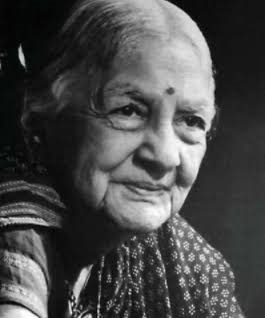
Kamaladevi Chattopadhyay was one of India’s most influential social reformers, freedom fighters, and cultural leaders. She played a major role in the Indian independence movement, the empowerment of women, and the revival of Indian handicrafts and traditional arts. Through her vision and dedication, she helped preserve India’s cultural heritage and created opportunities for thousands of artisans.
Why Did Kamaladevi Chattopadhyay Receive the Padma Vibhushan Award?
Kamaladevi Chattopadhyay received the Padma Vibhushan in 1987 for her exceptional contributions to social service, arts, and culture.
She was honored for:
- Reviving traditional Indian handicrafts and handloom industries.
- Supporting artisans and craftsmen across India.
- Promoting women’s participation in social and economic development.
- Contributing to India’s freedom struggle and nation-building.
- Preserving and promoting Indian cultural traditions.
Her efforts helped protect India’s artistic heritage and gave recognition to traditional craftspeople.
Early Life
Kamaladevi Chattopadhyay was born on 3 April 1903 in Mangalore, Karnataka, India. She was born into a progressive family that encouraged education and independent thinking.
From a young age, she showed interest in social issues and developed a strong desire to work for equality and justice.
Birth Date and Death
- Birth Date: 3 April 1903
- Birth Place: Mangalore, Karnataka, India
- Death Date: 29 October 1988
- Age at Death: 85 years
Education and Career
Kamaladevi received her early education in India and later studied abroad.
- She pursued higher education in England.
- She developed an interest in social reform, theatre, and women’s rights.
- She became involved in India’s freedom movement and worked alongside national leaders.
She was one of the first women in India to actively participate in politics and social movements. She also became a member of the Indian National Congress and worked for independence.
Career and Achievements
Kamaladevi Chattopadhyay had a remarkable career as a freedom fighter, reformer, and cultural leader.
Major achievements include:
- Participating in the Indian independence movement and the Salt Satyagraha.
- Advocating for women’s rights and social equality.
- Establishing organizations to promote Indian crafts and performing arts.
- Helping revive traditional handicrafts after independence.
- Supporting the development of theatre and cultural institutions.
She played a key role in founding organizations such as:
- Indian Cooperative Union
- Sangeet Natak Akademi
- Central Cottage Industries Emporium
Field of Achievements
1. Women’s Empowerment
Kamaladevi worked for women’s education, independence, and participation in public life.
2. Freedom Movement
She actively participated in India’s struggle for independence and encouraged social reform.
3. Handicrafts and Handlooms
She played a major role in protecting traditional crafts and improving the livelihoods of artisans.
4. Arts and Culture
She supported Indian theatre, folk arts, and cultural organizations.
5. Social Service
She worked toward creating a more equal society by supporting cooperative movements and community development.
Awards and Honours
Kamaladevi Chattopadhyay received several prestigious awards, including:
- Padma Bhushan (1955)
- Padma Vibhushan (1987)
- Ramon Magsaysay Award (1966) for Community Leadership
- Sangeet Natak Akademi Fellowship
- Numerous national and international recognitions for her contribution to culture and social service
Interesting Facts
- Kamaladevi was one of the first women in India to contest an election during the pre-independence period.
- She was a strong supporter of women’s economic independence.
- She helped revive Indian handicrafts that were declining during colonial rule.
- She promoted Indian theatre and performing arts.
- She believed that culture and crafts were important parts of national identity.
Legacy and Inspiration
Kamaladevi Chattopadhyay’s legacy continues through India’s thriving handicraft industry, cultural institutions, and women’s movements. She proved that social change can be achieved through creativity, courage, and dedication.
Her life inspires people to respect cultural traditions while working toward equality and progress.
Contribution to the Nation
Kamaladevi made significant contributions to India by:
- Supporting India’s freedom struggle.
- Empowering women through education and opportunities.
- Preserving traditional arts and crafts.
- Improving the lives of artisans and craftsmen.
- Building cultural institutions that continue to serve India today.
- Promoting social equality and cooperative development.
Conclusion
Kamaladevi Chattopadhyay was a visionary leader who dedicated her life to India’s freedom, social progress, and cultural preservation. Her contributions to women’s empowerment, handicrafts, and the arts have left a lasting impact on the nation. She remains an inspiration for those who work toward protecting heritage and creating a more inclusive society.
About the Author