
Introduction
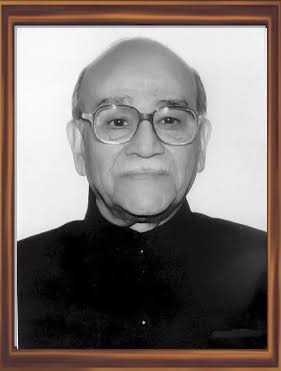
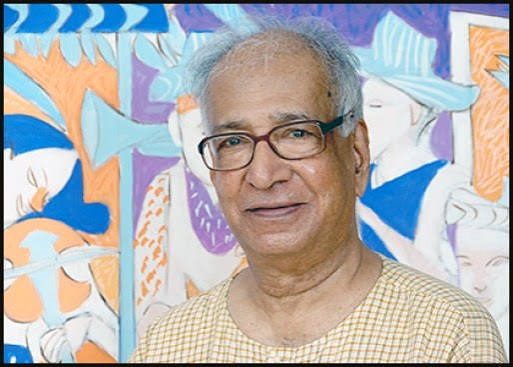
K. G. Subramanyan, popularly known as Mani Da, was one of India’s most influential modern artists, painters, muralists, and art educators. He played a significant role in shaping modern Indian art after independence by blending traditional Indian artistic elements with modern techniques. Through his paintings, murals, sculptures, and writings, he explored themes of mythology, folklore, social life, and human experiences. In recognition of his exceptional contribution to Art, he was awarded the Padma Vibhushan, India’s second-highest civilian honor.
Why Did He Receive the Padma Vibhushan Award?
K. G. Subramanyan was awarded the Padma Vibhushan in 2012 for his outstanding contribution to Art.
The Government of India honored him for:
- His pioneering role in modern Indian art.
- His innovative approach to painting, murals, and visual arts.
- His efforts to combine traditional Indian art forms with modern artistic expressions.
- His contribution as an art educator and mentor.
- His influence on generations of Indian artists.
His artistic vision helped establish India’s unique identity in the global art world.
Career and Achievements
K. G. Subramanyan had a remarkable career spanning more than seven decades.
Major achievements include:
- Studied at Kala Bhavana under the guidance of renowned artist Nandalal Bose.
- Played an important role in the development of modern Indian art.
- Worked with various forms including paintings, murals, sculptures, toys, and illustrations.
- Served as a professor at Maharaja Sayajirao University of Baroda.
- Created several famous murals and artworks displayed in India and abroad.
- Authored books and essays on art theory and aesthetics.
- Influenced many young artists through teaching and mentorship.
His creativity and experimentation made him one of India’s most respected contemporary artists.
Early Life
K. G. Subramanyan was born in Kerala during the period of India’s freedom movement. From an early age, he developed an interest in drawing, literature, and cultural traditions. His involvement in the independence movement influenced his thinking and shaped his belief that art should connect with society and everyday life.
Birth Date and Death
- Born: 15 February 1924
- Birthplace: Kuthuparamba
- Died: 29 June 2016
- Place of Death: Vadodara
- Age at Death: 92 years
He remained active in art and creative work until the later years of his life.
Education and Career
Education
- Studied economics at Presidency College, Chennai.
- Later joined Kala Bhavana at Visva-Bharati University, Santiniketan.
- Studied under the guidance of great Indian artists such as Nandalal Bose and developed a deep understanding of Indian artistic traditions.
Career
Throughout his career, he served as:
- Painter and visual artist.
- Art educator.
- Professor at Maharaja Sayajirao University of Baroda.
- Designer and muralist.
- Writer and art critic.
- Mentor to young artists.
His career combined creative practice, teaching, and research.
Field of Achievement
K. G. Subramanyan made exceptional contributions in:
- Painting
- Modern Indian Art
- Mural Art
- Sculpture
- Illustration
- Art Education
- Art Criticism
- Visual Culture
Awards and Honours
K. G. Subramanyan received many prestigious awards, including:
- Padma Vibhushan (2012) – India’s second-highest civilian award.
- Padma Shri (1975).
- Padma Bhushan (2006).
- Lalit Kala Akademi Fellowship.
- Kalidas Samman.
- National and international recognition for his contribution to visual arts.
Interesting Facts
- He was popularly called “Mani Da” by his students and admirers.
- He was one of the key figures of India’s post-independence modern art movement.
- He was influenced by Indian folk traditions, mythology, and everyday life.
- He experimented with multiple mediums, including painting, terracotta, toys, and murals.
- He believed that art should be connected to society and ordinary people.
- He spent many years teaching and inspiring young artists.
- His works are displayed in major museums and collections worldwide.
Legacy and Inspiration
K. G. Subramanyan’s legacy continues through:
- His influential artworks and writings.
- His contribution to modern Indian art education.
- The artists he trained and inspired.
- His innovative approach to combining traditional and contemporary styles.
- His belief that art should reflect society and human experiences.
He remains an inspiration for artists who seek creativity, experimentation, and cultural connection.
Contribution to the Nation
K. G. Subramanyan made lasting contributions to India by:
- Helping shape the identity of modern Indian art.
- Preserving and reinterpreting Indian artistic traditions.
- Training generations of artists and art students.
- Promoting creativity and experimentation in visual arts.
- Representing Indian art on national and international platforms.
- Encouraging the connection between art, culture, and society.
His work enriched India’s cultural heritage and strengthened the country’s presence in global art.
Conclusion
K. G. Subramanyan was a visionary artist, teacher, and thinker whose contributions transformed modern Indian art. Through his innovative paintings, murals, sculptures, and writings, he created a unique artistic language that combined tradition with modernity. The Padma Vibhushan recognized his outstanding contribution to Art and his lifelong dedication to creativity and education. His legacy continues to inspire artists, students, and art lovers, ensuring that his influence remains an important part of India’s cultural history.
About the Author