

1. Introduction
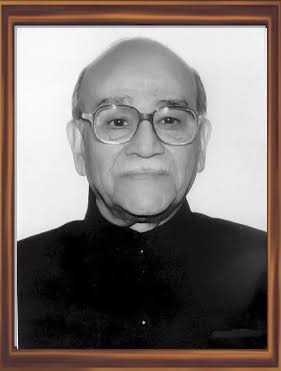
Lieutenant General Joginder Singh Dhillon (19 November 1914 – 20 November 2003) was a distinguished Indian Army officer, military engineer and one of the prominent commanders of the 1965 Indo-Pakistani War.
He served first in the British Indian Army and later in the Indian Army after Independence. During the 1965 war, he was the General Officer Commanding (GOC) of XI Corps, responsible for operations in the Punjab sector.
Dhillon is particularly remembered for his leadership during the 1965 war and for his role in the successful defence and counter-offensive operations against Pakistani armoured forces. He became the first Indian Army officer to receive the Padma Bhushan, India’s third-highest civilian award at the time. The Government of India’s official Padma database records his award as Padma Bhushan, 1965, Civil Service, Punjab.
He also commanded the first Republic Day Parade in New Delhi in 1950, an important distinction in the early history of independent India.
2. Quick Facts
| Particular | Information |
|---|---|
| Full Name | Joginder Singh Dhillon |
| Military Rank | Lieutenant General |
| Native Name | ਜੋਗਿੰਦਰ ਸਿੰਘ ਢਿੱਲੋਂ |
| Popular Name | Jogi Dhillon |
| Date of Birth | 19 November 1914 |
| Place of Birth | Not reliably established in the accessible authoritative sources |
| Date of Death | 20 November 2003 |
| Nationality | Indian |
| Profession | Army Officer / Military Engineer |
| Branch | Indian Army; Corps of Engineers |
| Regiment/Formation | Bengal Engineer Group (Bengal Sappers) |
| Major Rank | Lieutenant General |
| Field of Achievement | Military leadership, military engineering and national defence |
| Years of Service | 1936–1970 |
| Major Wartime Role | GOC, XI Corps, 1965 Indo-Pakistani War |
| Major Award | Padma Bhushan |
| Award Year | 1965 |
| Award Category | Civil Service |
| Award State | Punjab |
His date of birth, death, rank and service period are consistently reported in biographical sources.
Note on birthplace: Unlike his date of birth, a dependable source establishing his exact birthplace was not found in the accessible records. It is better for a factual blog to state “not reliably documented in the accessible sources” rather than publish an unverified village or city.
3. Award Information
Padma Bhushan
Award Name
Padma Bhushan
Award Category
Civil Service
The Government of India’s official Padma Awards database classifies Dhillon’s 1965 Padma Bhushan under Civil Service, with Punjab listed as the state.
Award Year
1965
This is an important point for your article. Some secondary biographies state that Dhillon received the award in 1966, but the official Government of India Padma database lists:
Padma Bhushan – 1965 – Lt. General Joginder Singh Dhillon – Civil Service – Punjab.
Presented By
Government of India / President of India
Date of Ceremony
24 November 1965 is widely reported in biographical accounts as the date associated with his Padma Bhushan presentation.
For maximum accuracy, your blog can phrase this as:
“He was awarded the Padma Bhushan on 24 November 1965, according to biographical accounts; the Government of India’s official Padma database confirms 1965 as the award year.”
Citation / Official Reason
The citation associated with his award praised his leadership during repeated enemy counter-attacks in his operational sector. The citation describes the need for tenacity, determination and a robust mind, and credits Dhillon’s personal leadership with contributing substantially to his corps’ success.
Citation
“In this Sector, the enemy launched repeated counter-attacks…”
The citation specifically praised Dhillon’s qualities of determination and leadership and stated that the success of his corps was to a considerable extent due to his personal leadership.
Previous Recipients
The Padma Bhushan had been awarded to many distinguished Indians before Dhillon. In 1964, recipients included people such as Dr. Khushwant Lal Wig, T. N. Ramachandran and others in their respective fields.
Next Recipients
The Padma Bhushan continued to be awarded in 1966 to distinguished personalities in several fields. There is no formal “next recipient” sequence for the award, since multiple people receive the award each year.
4. Why Did Joginder Singh Dhillon Receive the Award?
Joginder Singh Dhillon received the Padma Bhushan in 1965 in recognition of his distinguished military service and leadership.
His most significant contribution came during the 1965 Indo-Pakistani War, when he commanded XI Corps in the Punjab sector.
His command faced repeated Pakistani attacks, including major armoured operations. Dhillon’s leadership helped his corps withstand the attacks and conduct successful counter-operations. The award citation specifically praised his tenacity, determination, mental strength and personal leadership.
He was also the first Indian Army officer to receive the Padma Bhushan, making the honour particularly significant in the history of India’s post-Independence military.
5. Early Life
Joginder Singh Dhillon was born on 19 November 1914. Detailed information about his childhood and family background is comparatively limited in easily accessible authoritative sources.
His early life developed during the final decades of British India, a period when military service offered educated Indians an important route into public service.
Dhillon showed exceptional academic and professional ability at an early age. According to an obituary published in the Indian Express, he stood first in the all-India entrance examination to the Indian Military Academy in 1933 and subsequently won both the Gold Medal and Sword of Honour.
These achievements indicated his strong academic performance, discipline and leadership potential even before the beginning of his military career.
6. Education
Dhillon studied civil engineering at Thomson/Thomason Civil Engineering College in Roorkee, the institution that later became IIT Roorkee.
He graduated with honours in 1939.
His engineering education proved highly relevant to his military career because he served in the Bengal Sappers, an engineering formation of the Indian Army.
His education can therefore be summarised as:
- Engineering education at Roorkee
- Graduation with honours in 1939
- Military training through the Indian Army system
- Later professional training at the Staff College, Quetta
- Further higher military studies at the Imperial Defence College in the United Kingdom
7. Career Journey
Joining the Bengal Sappers
Dhillon was commissioned into the Bengal Engineer Group, popularly known as the Bengal Sappers, in 1936.
His engineering background made him particularly suited to this branch of military service.
World War II Service
During the Second World War, Dhillon served overseas in several theatres.
He saw active service in:
- Iraq
- Iran
- Burma
He later served at the Staff College, Quetta.
In 1945–46, he commanded a field company in Malaya and subsequently served at Surabaya.
Service Around Partition
From 1946 to 1947, Dhillon served as a staff officer in the Engineer-in-Chief’s Office at Army Headquarters.
He later served as a garrison engineer at Quetta and became GSO1 in the Engineer-in-Chief Branch from October 1947 to February 1948.
After Partition, he was given responsibility for the Bengal Sappers’ regimental centre at Roorkee, during a difficult period of division and reorganisation of military assets between India and Pakistan.
First Republic Day Parade
One of Dhillon’s most memorable early achievements came in 1950.
After visiting the Bengal Sappers’ centre at Roorkee in 1949, Prime Minister Jawaharlal Nehru was reportedly impressed by Dhillon’s leadership and asked him to command the first Republic Day Parade in Delhi.
The parade took place on 26 January 1950, the day India became a republic.
Dhillon commanded the historic parade, which included contingents of the Army, Navy, Air Force and police.
Senior Army Appointments
Dhillon went on to command two infantry brigades and served as:
- Director of Technical Development
- Director of Weapons and Equipment at Army Headquarters
- Major General
- Deputy Chief of General Staff
- GOC of XI Corps
He was promoted to Major General in 1957 and to substantive Lieutenant General on 17 January 1964.
Commander of XI Corps
In the period before the 1965 war, Dhillon became the GOC of XI Corps, which was responsible for the Punjab sector.
This became the defining command of his military career.
1965 Indo-Pakistani War
During the 1965 war, XI Corps faced major Pakistani attacks in the Punjab sector.
Dhillon’s command was responsible for responding to Pakistani armoured thrusts and maintaining India’s defensive positions.
He is credited by biographical accounts with developing and implementing plans that successfully countered Pakistani armour. One account states that his operations destroyed or captured more than 100 Pakistani tanks.
His leadership during these operations became the principal reason for his national recognition.
Later Career
After the 1965 war, Dhillon was promoted to Army Commander of the Central Command.
He retired from military service on 4 August 1970.
His military service therefore lasted approximately 34 years, from 1936 to 1970.
8. Major Achievements
1. First Army Officer to Receive the Padma Bhushan
Dhillon became the first Indian Army officer to receive the Padma Bhushan.
This made his award historically significant for the Indian military.
2. Commanded the First Republic Day Parade
He commanded India’s first Republic Day Parade in Delhi on 26 January 1950.
3. Distinguished World War II Service
He served in several overseas theatres during World War II, including Burma, Iran and Iraq, and later served in Malaya and Surabaya.
4. Senior Military Leadership
He rose through the ranks to become Lieutenant General and Army Commander of the Central Command.
5. Leadership During the 1965 War
As GOC XI Corps, he played an important role in India’s operations in the Punjab sector during the 1965 war.
6. Bengal Sappers Leadership
He was an important figure in the post-Independence development and reorganisation of the Bengal Sappers.
7. Engineering and Military Expertise
His engineering education and service with the Corps of Engineers gave him a combination of technical knowledge and operational military experience.
9. Contribution to the Nation
Joginder Singh Dhillon’s contribution to India extended beyond one particular battle.
National Defence
His principal contribution was his service to India’s defence during a long military career spanning the transition from British India to independent India.
1965 War
His leadership of XI Corps during the 1965 war was the most important operational contribution of his career.
Military Institution Building
During the difficult years surrounding Partition, he helped manage the reorganisation of the Bengal Sappers and its regimental centre at Roorkee.
Republic of India
By commanding the first Republic Day Parade, he became part of the ceremonial history of the newly established Republic of India.
Professional Military Leadership
His career demonstrated how technical education, military training and battlefield leadership could combine in senior command.
10. Other Awards and Honours
Padma Bhushan
Padma Bhushan – 1965 – Civil Service – Punjab
This is the major civilian honour associated with Dhillon. The official Government of India database confirms these details.
Other Recognition
Dhillon’s earlier military distinctions included:
- Gold Medal at the Indian Military Academy
- Sword of Honour at the Indian Military Academy
His outstanding performance in the entrance examination and military training marked him out as an exceptional officer from the beginning of his career.
11. Legacy and Influence
Joginder Singh Dhillon’s legacy rests on three major aspects of his career.
A Pioneer Army Officer
He became the first Army officer to receive the Padma Bhushan, establishing an important precedent for recognition of military leadership through India’s civilian honours system.
A Commander of the 1965 War
His leadership during the 1965 Indo-Pakistani War remains the central feature of his military reputation.
He commanded XI Corps during some of the most important operations in the Punjab sector.
A Figure in Early Republican India
His command of the first Republic Day Parade makes him part of the ceremonial history of India’s transition into a republic.
His career is therefore connected with three important stages in Indian history:
British Indian Army → Independence and Partition → Republic of India and the 1965 War
12. Interesting Facts
1. He commanded the first Republic Day Parade
Dhillon commanded the first Republic Day Parade in Delhi on 26 January 1950.
2. He was an engineer as well as a soldier
His education was in civil engineering, and he joined the Bengal Sappers, the Army’s engineering branch.
3. He graduated with honours
He graduated from Roorkee’s civil engineering college with honours in 1939.
4. He excelled before joining the Army
He reportedly stood first in the all-India entrance examination to the Indian Military Academy and won both the Gold Medal and Sword of Honour.
5. He served in several countries during World War II
His wartime service included Iraq, Iran, Burma, Malaya and Surabaya.
6. He had a long military career
His service lasted from 1936 to 1970, approximately 34 years.
7. He became Lieutenant General in 1964
He was promoted to substantive Lieutenant General on 17 January 1964.
8. His Padma Bhushan year is sometimes reported incorrectly
Some secondary sources say 1966, but the Government of India’s official Padma database records his award in 1965.
9. His wife was Minnie
Dhillon was married to Minnie Dhillon for 62 years. They had three daughters.
10. He was known as “Jogi Dhillon”
Several accounts of his life refer to him affectionately as Jogi Dhillon.
13. Quotes
A frequently reproduced passage associated with his Padma Bhushan citation describes the qualities displayed by Dhillon during the 1965 conflict:
“Lieutenant General Dhillon displayed all these qualities in abundance…”
The citation referred specifically to his tenacity, strong determination and robust mind, and credited the success of his corps in part to his leadership.
Important note for bloggers
It is better to use the above as an award citation rather than presenting it as a personal quotation spoken by Dhillon.
There are relatively few reliably sourced personal quotations by Joginder Singh Dhillon available online. Avoid attributing motivational quotes to him without an original source.
14. Timeline
| Year/Date | Event |
| 19 Nov 1914 | Joginder Singh Dhillon was born |
| 1933 | Reportedly stood first in the all-India entrance examination to the Indian Military Academy |
| 1936 | Commissioned into the Bengal Engineer Group |
| 1939 | Graduated with honours from the civil engineering college at Roorkee |
| 1939–45 | Served overseas during World War II, including Iraq, Iran and Burma |
| 1945–46 | Commanded a field company in Malaya and later served at Surabaya |
| 1946–47 | Served as a staff officer at Army Headquarters |
| 1947–48 | Held senior engineering/staff responsibilities during the Partition period |
| 1949 | Took charge of the Bengal Sappers’ regimental centre at Roorkee |
| 26 Jan 1950 | Commanded India’s first Republic Day Parade |
| 1957 | Promoted to Major General |
| Aug 1960 | Given command of a division |
| 1960s | Served as Deputy Chief of General Staff |
| 17 Jan 1964 | Promoted to substantive Lieutenant General |
| 1965 | Commanded XI Corps during the Indo-Pakistani War |
| 24 Nov 1965 | Padma Bhushan associated with his award; official Padma database records the award year as 1965 |
| After 1965 | Became Army Commander of Central Command |
| 4 Aug 1970 | Retired from military service |
| 20 Nov 2003 | Died at the age of 89 |
The career chronology is supported by biographical accounts and military records cited in secondary sources.
15. References
For a reliable blog, prioritize official and archival sources wherever possible.
Government of India – Padma Awards
The official Padma Awards database records:
Lt. General Joginder Singh Dhillon — Padma Bhushan — 1965 — Civil Service — Punjab.
Government of India Padma Awards Database
The Indian Express – Obituary
An obituary published on 19 December 2003 titled Last Salute to the Lion of 1965 provides important details about Dhillon’s education, military career and role in the 1965 war.
Indian Express obituary reference
Bengal Sappers / Military Historical Accounts
Accounts of his service provide information about his Bengal Sappers career, Republic Day Parade and 1965 war service.
16. Related Personalities
Harbaksh Singh
Lieutenant General Harbaksh Singh was another senior Indian Army commander associated with the 1965 Indo-Pakistani War. He played a major role in India’s operations in the Punjab sector.
Kashmir Singh Katoch
Lieutenant General Kashmir Singh Katoch was another senior military officer who received the Padma Bhushan in 1965. The Government of India’s database lists him alongside Dhillon among the Punjab recipients.
A. J. S. Sandhu
Sandhu was another prominent military officer associated with India’s armoured and military operations.
Jagjit Singh Aurora
Lieutenant General Jagjit Singh Aurora later became famous as the commander of Indian forces in the 1971 Indo-Pakistani War.
Arjan Singh
Marshal of the Indian Air Force Arjan Singh was one of the leading Indian military commanders of the 1965 war and later received the Padma Vibhushan.
Ranjit Singh Jetley
Ranjit Singh Jetley was another distinguished Indian military officer and later author whose writings and accounts help illuminate the history of India’s military leadership.
17. Frequently Asked Questions (FAQ)
Who was Joginder Singh Dhillon?
Lieutenant General Joginder Singh Dhillon was a senior Indian Army officer and military engineer who served in the British Indian Army and later the Indian Army. He commanded XI Corps during the 1965 Indo-Pakistani War.
When was Joginder Singh Dhillon born?
He was born on 19 November 1914.
When did Joginder Singh Dhillon die?
He died on 20 November 2003, aged 89.
What was Joginder Singh Dhillon’s rank?
His highest rank was Lieutenant General.
Which regiment did Joginder Singh Dhillon join?
He was commissioned into the Bengal Engineer Group, popularly known as the Bengal Sappers, in 1936.
What was Joginder Singh Dhillon famous for?
He is best known for commanding XI Corps during the 1965 Indo-Pakistani War and for his distinguished military leadership.
Which award did Joginder Singh Dhillon receive?
He received the Padma Bhushan.
When did Joginder Singh Dhillon receive the Padma Bhushan?
The Government of India’s official Padma database records the award in 1965.
What was the category of his Padma Bhushan?
The official category was Civil Service.
Was Joginder Singh Dhillon the first Army officer to receive the Padma Bhushan?
Yes. Biographical sources identify him as the first Indian Army officer to receive the Padma Bhushan.
What was his role in the 1965 war?
He was the GOC of XI Corps, responsible for the Punjab sector. His corps conducted operations against Pakistani forces during the conflict.
Did Joginder Singh Dhillon command India’s first Republic Day Parade?
Yes. He commanded the first Republic Day Parade in Delhi on 26 January 1950.
Where did he study?
He studied civil engineering at the Thomson/Thomason Civil Engineering College in Roorkee and graduated with honours in 1939.
Did he serve during World War II?
Yes. He served in overseas theatres including Iraq, Iran and Burma, and later commanded units in Malaya and Surabaya.
When did he retire from the Army?
He retired on 4 August 1970 after becoming Army Commander of the Central Command.
What is Joginder Singh Dhillon’s greatest legacy?
His greatest legacy is his combination of military engineering, professional leadership and wartime command, particularly his leadership of XI Corps during the 1965 war and his historic role in commanding India’s first Republic Day Parade.
Conclusion
Lieutenant General Joginder Singh Dhillon occupies an important place in the history of India’s armed forces.
From his early success at the Indian Military Academy and engineering education at Roorkee, to his World War II service, his role in the difficult reorganisation of the Bengal Sappers after Partition, and his command of India’s first Republic Day Parade, his career was marked by significant milestones.
His most important military achievement came in the 1965 Indo-Pakistani War, when he commanded XI Corps in the Punjab sector. His leadership during repeated enemy attacks earned him national recognition.
The Padma Bhushan awarded in 1965 made him the first Indian Army officer to receive that honour. The official Government of India record classifies the award under Civil Service.
Today, Dhillon is remembered particularly as one of the senior commanders who helped shape the Indian Army during the formative decades following Independence.
About the Author