

1. Introduction
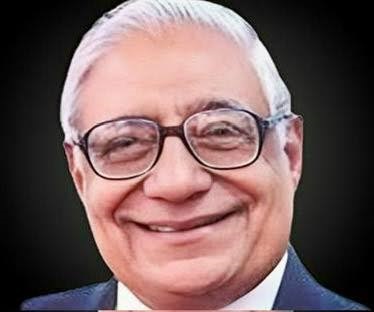
Hari Krishan Dua (widely known as H. K. Dua) was one of India’s most respected and influential journalists, editors, and diplomats. Over a career spanning more than five decades, he edited some of the country’s premier newspapers—including The Hindustan Times, The Indian Express, and The Tribune—shaping national discourse during critical moments in modern Indian history. Known for his sharp political insights, fearless commentary, and balanced diplomacy, he also served as India’s Ambassador to Denmark and as a member of the Rajya Sabha.
2. Quick Facts
- Full Name: Hari Krishan Dua
- Native Name: हरि कृष्ण दुआ
- Date of Birth: July 1, 1937
- Place of Birth: Sargodha, Punjab, British India (now Pakistan)
- Nationality: Indian
- Occupation/Profession: Journalist, Newspaper Editor, Diplomat, Columnist, and Parliamentarian
- Field of Achievement: Print Journalism, Foreign Affairs, Public Policy
- Years Active: 1959 – 2010s
3. Award Information
- Award Name: Padma Bhushan
- Award Category: Civil Honour (Third-Highest Civilian Award in India)
- Award Year: 2011
- Presented By: Government of India (President of India)
- Date of Ceremony: Republic Day 2011
- Citation/Official Reason: For distinguished service to literature and education, specifically recognizing his pioneering contributions and decades-long stewardship of Indian journalism.
4. Why He Received the Award
H. K. Dua received the Padma Bhushan in recognition of his towering integrity, editorial independence, and profound impact on Indian journalism and public policy. For decades, his analytical columns dissected complex geopolitical events and domestic crises without fear or favor, educating the public and guiding political leaders. His appointment to diplomatic and parliamentary positions further cemented his status as a statesman of the press.
5. Early Life
Born in Sargodha (now in Pakistan) before the Partition of India, H. K. Dua experienced the upheavals and tragedies of the 1947 partition during his childhood. Like millions of others, his family had to rebuild their lives in independent India. These formative experiences instilled in him a lifelong resilience, a deep appreciation for national unity, and a keen observational eye regarding India’s political evolution.
6. Education
Dua pursued higher education with a focus on political science and literature. He studied at Panjab University, where he earned a Master’s degree. His academic grounding in political systems and history provided the intellectual framework that later made his editorials and political columns deeply authoritative and insightful.
7. Career Journey
- Early Reporting: He started his career in journalism in the late 1950s, reporting on political developments in New Delhi and observing the governance of Jawaharlal Nehru, Lal Bahadur Shastri, and Indira Gandhi.
- Editing Major Dailies: Dua rose through the ranks to lead the newsrooms of India’s most influential publications. He served as the Editor-in-Chief of The Hindustan Times, The Indian Express, and The Tribune (Chandigarh).
- Diplomatic & Public Service:
- Appointed as India’s Ambassador to Denmark from 2003 to 2006.
- Nominated as a Member of Parliament in the Rajya Sabha (Upper House of the Indian Parliament) from 2009 to 2015.
- Served on key parliamentary committees, including External Affairs and National Security.
8. Major Achievements
- Guiding Editorial Independence: Successfully maintained the editorial independence of premier national newspapers through turbulent political eras, including the Emergency and periods of coalition politics.
- National Security Advisory Board (NSAB): Served as a member of India’s NSAB, contributing vital strategic perspectives on national security and foreign affairs.
- Bridge Between Press and Politics: Earned the rare distinction of being trusted across political party lines as a neutral observer, diplomat, and legislator.
9. Contribution to the Nation
H. K. Dua’s contribution lies in strengthening the foundational pillars of Indian democracy: a free press and informed public debate. Through his columns and leadership, he held governments accountable, championed secularism and democratic norms, and helped shape India’s foreign policy narratives through his diplomatic engagements in Europe and his legislative inputs in Parliament.
10. Other Awards and Honours
- Prem Bhatia Award: For excellence in political reporting and analysis.
- G.K. Reddy Memorial Award: For outstanding journalism.
- Fellowships & Honorary Memberships: Recognized by various academic and press institutions across India for lifelong excellence in media.
11. Legacy and Influence
H. K. Dua is remembered as a titan of post-Independence Indian journalism—a mentor to generations of reporters and editors. He demonstrated that a journalist could operate with dignity, depth, and independence without resorting to sensationalism. His transition from newsrooms to diplomatic missions and Parliament proved that journalistic intellect is a vital asset in statecraft.
12. Interesting Facts
- The Partition Witness: Having witnessed the Partition first-hand as a child, Dua maintained a lifelong fascination and emotional connect with peace initiatives between India and Pakistan.
- Trusted Confidant: He was known to have close professional interactions with numerous Indian Prime Ministers, often acting as a sounding board for national policy decisions.
- Prolific Columnist: Even after stepping down from active daily newspaper editorships, his syndicated columns remained mandatory reading for political analysts and policymakers.
13. Quotes
“Journalism is not just a profession; it is a public trust that demands unwavering courage and absolute objectivity.”
“A free press is the oxygen of democracy; if it is choked by fear or favor, the entire nation suffers.”
14. Timeline
- 1937: Born on July 1 in Sargodha, British India.
- 1959: Begins his career in journalism.
- 1980s–1990s: Serves as Editor of major national dailies including The Hindustan Times and The Indian Express.
- 2003–2006: Serves as India’s Ambassador to Denmark.
- 2009: Nominated as a Member of Parliament in the Rajya Sabha.
- 2011: Conferred the Padma Bhushan by the President of India.
- 2025: Passes away, leaving behind a monumental legacy in Indian media and public life.
15. References
- The Hindu & The Indian Express Archival Obituaries and Editorials
- Government of India – Padma Awards Directory (2011)
- Rajya Sabha Secretariat Biographical Profiles
16. Related Personalities
- Kuldip Nayar (Veteran journalist and contemporary)
- Vinod Mehta (Prominent Indian journalist and editor)
- Inder Kumar Gujral (Former Prime Minister and diplomat)
17. Frequently Asked Questions (FAQ)
Q1: Who was H. K. Dua?
A: Hari Krishan Dua was a legendary Indian journalist, editor, diplomat, and former Member of Parliament who led major newspapers like The Hindustan Times and The Indian Express.
Q2: When did H. K. Dua receive the Padma Bhushan?
A: He was awarded the Padma Bhushan, India’s third-highest civilian honor, in January 2011 for his distinguished contributions to literature and education (journalism).
Q3: Did H. K. Dua hold any government or diplomatic positions?
A: Yes. He served as India’s Ambassador to Denmark from 2003 to 2006 and was later nominated as a member of the Rajya Sabha (Upper House of Parliament) from 2009 to 2015.
About the Author




