
1. Introduction
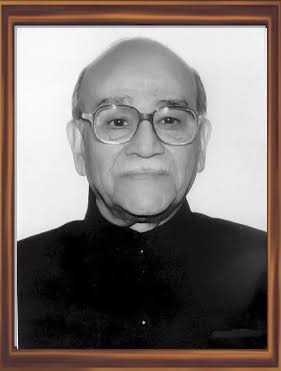
General Gopal Gurunath Bewoor (1916–1989) was one of India’s most accomplished and respected military leaders of the 20th century. A veteran of World War II and the post-independence wars, he played a critical strategic role during the 1971 Indo-Pakistani War. Known for his exceptional administrative acumen, tactical brilliance, and calm leadership, he went on to head the Indian Army as Chief of Army Staff and later represented India as a diplomat.
2. Quick facts
- Full Name: Gopal Gurunath Bewoor
- Native Name: गोपाल गुरुनाथ बेवूर (Marathi / Kannada)
- Date of birth: August 11, 1916
- Place Of birth: Seoni, Central Provinces and Berar (present-day Madhya Pradesh), India
- Nationality: Indian
- Occupation/ Profession: Military Officer, Diplomat
- Field of Achievement: Military Leadership and National Defense
- Years Active: 1937–1975 (Active Military Service)
3. Award Information
- Award Name: Padma Bhushan
- Award Category: Civil Service / Military Service
- Award Year: 1972
- Presented By: President of India
- Date of Ceremony: January 26, 1972 (Republic Day)
- Citation/Official Reason: For exceptional leadership, strategy, and distinguished service during the 1971 war.
- Previous Recipients (optional): Eminent military generals and public servants of prior civilian honors cycles.
- Next Recipients: Succeeding national figures recognized for exceptional service to the nation.
4. Why they Receive the award?
Bewoor was awarded the Padma Bhushan in 1972 in recognition of his distinguished leadership and operational command during the 1971 Indo-Pakistani War. His strategic oversight in the western/southern sectors and leadership of the XXXIII Corps ensured critical defensive and offensive stability, safeguarding India’s borders.
5. Early Life
Born into a respected Kannada Deshastha Brahmin family, Gopal was the son of Sir Gurunath Venkatesh Bewoor, a distinguished Indian Civil Service (ICS) officer and former Managing Director of Air India. Growing up in an administrative household, Gopal inherited a deep sense of public duty, discipline, and institutional order.
6. Education
- Schooling: Educated at the Colonel Brown Cambridge School, Dehradun, and the historic Prince of Wales Royal Indian Military College (RIMC), Dehradun.
- Military Academy: Graduated from the Indian Military Academy (IMA), Dehradun, where he won both the coveted Sword of Honour and the Gold Medal as the best all-round cadet of his batch.
7. Carrier Journey
- World War II & Partition (1937–1947): Commissioned into the British Indian Army in July 1937. Saw early combat in Waziristan and fought against the Japanese during the Burma Campaign in World War II as part of the Baluch Regiment. Served on the Army Partition Committee in 1947 to divide assets between India and Pakistan.
- First Director General of the NCC (1948–1951): Appointed as the inaugural Director of the National Cadet Corps (NCC) to build youth military discipline in independent India.
- Command Rungs: Ascended through crucial command positions, including Brigade Commander, Director of Personnel Services, Major General, GOC of an Infantry Division, and GOC-in-C of the Southern Command.
- Chief of Army Staff (1973–1975): Assumed office as the 9th Chief of the Army Staff on January 15, 1973, succeeding Field Marshal Sam Manekshaw.
- Diplomatic Career (1976–1978): Post-retirement, served as the Indian Ambassador to Denmark.
8. Major Achievements
- Awarded the Param Vishisht Seva Medal (PVSM) for meritorious service of the highest order prior to his tenure as Army Chief.
- Successfully commanded corps-level and command-level deployments during the crucial 1971 war.
- Oversaw the Indian Army during a period of vital internal and geopolitical developments, including the lead-up to India’s first peaceful nuclear test (Smiling Buddha in 1974).
9. Contribution to the Nation
Bewoor dedicated over four decades of his life to defending India’s territorial integrity and organizing its military apparatus. From shaping the National Cadet Corps in its infancy to partitioning military hardware equitably during independence and steering the armed forces as Chief, his institutional contributions helped anchor modern Indian defense.
10. Other Awards and Honours
- Param Vishisht Seva Medal (PVSM)
- Padma Bhushan (1972)
- Various WWII campaign medals, including the 1939–1945 Star and Burma Star.
11. Legacy and Influence
General Bewoor is remembered as an intellectual soldier, meticulous administrator, and a stabilizing pillar of the military command structure. His leadership style combined strict professional standards with quiet grace, earning him deep admiration across the rank and file of the armed forces.
12. Interesting Facts
- He belonged to a rare family legacy where both father (Sir Gurunath Bewoor) and son attained elite national prominence—his father as a legendary ICS administrator and his son as the Chief of the Army Staff.
- He was the first-ever Director General of the National Cadet Corps (NCC), setting down the foundational training protocols for millions of young Indian cadets.
- He was the only Indian officer of his era to serve as the Under-Secretary (Military) to the Viceroy’s Coordination Council before independence.
13. Quotes
“Discipline and integrity are the bedrock of an army; without them, the finest weapons are merely tools without a soul.”
14. Timeline
- 1916: Born on August 11 in Seoni, Central Provinces.
- 1937: Commissioned into the British Indian Army from the Indian Military Academy with the Sword of Honour.
- 1948: Appointed as the first Director of the National Cadet Corps (NCC).
- 1971: Commands vital sectors during the Indo-Pakistani War.
- 1972: Honored with the Padma Bhushan by the President of India.
- 1973: Takes over as the 9th Chief of the Army Staff.
- 1975: Retires from active military service.
- 1976–1978: Serves as India’s Ambassador to Denmark.
- 1989: Passes away on October 24 in Pune, Maharashtra.
15. References
- Wikipedia contributors. “Gopal Gurunath Bewoor.” Wikipedia, The Free Encyclopedia.
- Ministry of Defence, Government of India — Honours and Awards archives.
- Historical profiles on the Chiefs of the Army Staff, India.
16. Related Personalities
- Field Marshal Sam Manekshaw: Predecessor as the Chief of the Army Staff.
- General T. N. Raina: Successor as the Chief of the Army Staff.
- Sir Gurunath Venkatesh Bewoor: Father and eminent civil servant.
17. Frequently Asked Questions (FAQ)
- What was General G.G. Bewoor’s highest military rank?He served as a full General, holding the office of the Chief of the Army Staff from 1973 to 1975.
- Did he receive any civilian honors?Yes, he was awarded the Padma Bhushan in 1972 for his exceptional service and leadership during the 1971 war.
- What was his role in the NCC?General Bewoor served as the first Director General of the National Cadet Corps (NCC) starting in 1948, helping establish its foundational training framework.
About the Author