
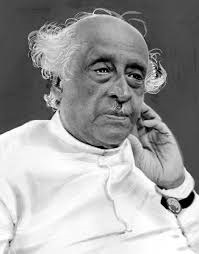
Early Life and Education
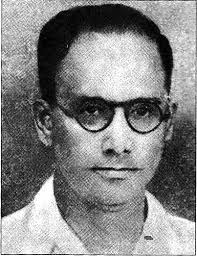
G. Ramachandran was born in Tamil Nadu, India, in the early 20th century into a family that valued education and social responsibility. From his childhood, he was deeply influenced by the ideas of equality, self-discipline, and service to society.
He completed his education in Tamil Nadu and was exposed early to nationalist and reformist ideas that were spreading during the British colonial period. These experiences shaped his lifelong commitment to social service and rural development.
Education & Skills
G. Ramachandran was known for his well-rounded intellectual and leadership abilities. His key skills included:
- Social organization and community leadership
- Rural development planning
- Public speaking and education advocacy
- Gandhian principles of non-violence and self-reliance
He was strongly influenced by Mahatma Gandhi’s philosophy, especially in promoting village-based development and social equality.
Contribution to Tamil Literature
While G. Ramachandran was not primarily a literary figure, he contributed indirectly to Tamil intellectual and cultural growth by:
- Supporting Tamil educational movements
- Promoting simple, value-based writing for rural awareness
- Encouraging dissemination of Gandhian ideas through Tamil publications
- Strengthening moral and ethical education in Tamil society
His influence helped shape socially conscious writing in Tamil Nadu during the reform period.
Role in India’s Freedom Movement
G. Ramachandran played an active role as a Gandhian social reformer during the Indian freedom struggle. His contributions include:
- Participation in movements inspired by Mahatma Gandhi
- Promotion of Khadi and village industries
- Support for non-violent protests against British rule
- Working closely with rural communities to spread political awareness
- Encouraging self-reliance and economic independence
He believed that true freedom could only be achieved through social upliftment and rural empowerment.
Personal Life
G. Ramachandran led a simple and disciplined life inspired by Gandhian values. He avoided luxury and dedicated most of his time to public service. He was respected for his humility, sincerity, and commitment to helping the underprivileged.
He maintained a strong connection with rural communities throughout his life.
Death
G. Ramachandran passed away in the late 20th century, leaving behind a legacy of social reform and Gandhian service. His work continued to influence rural development programs and social welfare initiatives in Tamil Nadu.
Conclusion
G. Ramachandran remains an important figure in Tamil Nadu’s social reform history. As a Gandhian thinker and reformer, he dedicated his life to uplifting rural society, promoting self-reliance, and supporting India’s freedom movement. His legacy continues to inspire social workers and students of history.
About the Author