Introduction
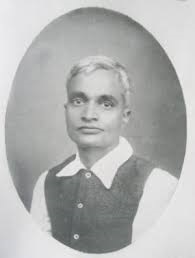
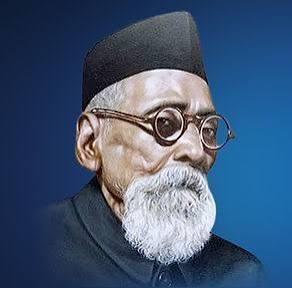
Dhondo Keshav Karve (18 April 1858 – 9 November 1962), popularly known as Maharshi Karve, was one of India’s greatest social reformers, educationists, and champions of women’s rights. At a time when widows and women faced severe social discrimination, he dedicated his life to promoting women’s education, widow remarriage, and gender equality. His tireless efforts transformed countless lives and laid the foundation for women’s empowerment in modern India. His remarkable service to society earned him several prestigious honours, including the Padma Vibhushan and later the Bharat Ratna.
Why Did He Receive the Padma Vibhushan Award?
Dhondo Keshav Karve was awarded the Padma Vibhushan in 1955, India’s second-highest civilian honour, in recognition of his extraordinary contributions to social reform, women’s education, and public service. Through his lifelong commitment to educating women, supporting widows, and advocating for equal opportunities, he played a pioneering role in improving the social status of women in India.
Early Life
Dhondo Keshav Karve was born on 18 April 1858 in Sheravali village, Ratnagiri district, Maharashtra. He grew up in a modest family that valued education despite financial hardships. From an early age, Karve displayed a strong interest in learning and developed a deep concern for social inequalities, particularly the hardships faced by women and widows.
These early experiences inspired him to dedicate his life to social reform and education.
Education and Career
Karve completed his early education in Maharashtra and later graduated with a Bachelor’s degree in Mathematics from Elphinstone College, Bombay, in 1884. He began his career as a mathematics teacher at Fergusson College in Pune.
While teaching, he became actively involved in social reform. In 1893, he married a widow, an act that challenged prevailing social customs and reflected his commitment to widow remarriage.
To improve women’s access to education, he established the Hingne Stree Shikshan Samstha in 1896, providing education and shelter for widows and girls. In 1916, he founded the Indian Women’s University, later renamed Shreemati Nathibai Damodar Thackersey (SNDT) Women’s University, the first women’s university in India.
Career and Achievements
Dhondo Keshav Karve devoted more than seven decades to social reform and education.
His major achievements include:
- Founded the Hingne Stree Shikshan Samstha to educate widows and girls.
- Established SNDT Women’s University, India’s first university dedicated to women’s education.
- Campaigned tirelessly for widow remarriage and women’s rights.
- Worked to eliminate social discrimination against widows.
- Promoted equal educational opportunities for women across India.
- Inspired social reforms that encouraged greater gender equality.
His initiatives transformed the lives of thousands of women and influenced future educational policies.
Field of Achievements
Dhondo Keshav Karve made remarkable contributions in several fields:
- Women’s Education
- Social Reform
- Women’s Rights
- Educational Administration
- Public Service
- Humanitarian Work
Awards and Honours
Karve received numerous honours in recognition of his exceptional service:
- Padma Vibhushan (1955) for distinguished service in social reform and education.
- Bharat Ratna (1958), India’s highest civilian honour.
- Several honorary doctorates from Indian universities.
- Widely honoured as “Maharshi Karve” for his lifelong dedication to society.
- Commemorative postage stamps and institutions have been named in his honour.
Interesting Facts
- Dhondo Keshav Karve lived for 104 years, witnessing major social and political changes in India.
- He founded India’s first women’s university, now known as SNDT Women’s University.
- He personally married a widow to challenge social prejudice against widow remarriage.
- He was affectionately known as “Maharshi”, meaning “great sage.”
- His work significantly influenced the women’s education movement in India.
Legacy and Inspiration
Dhondo Keshav Karve’s legacy continues through the educational institutions he founded and the social reforms he championed. His vision of an educated and empowered society helped transform attitudes toward women’s education and equality.
Today, his life inspires educators, social workers, policymakers, and students. His courage in challenging deeply rooted social customs demonstrates how determination and compassion can bring lasting social change.
Contribution to the Nation
Dhondo Keshav Karve made lasting contributions to India by:
- Expanding educational opportunities for women across the country.
- Establishing India’s first women’s university.
- Promoting widow remarriage and women’s dignity.
- Fighting social discrimination and gender inequality.
- Encouraging educational and social reforms that benefited future generations.
- Inspiring movements for women’s empowerment and equal rights.
His work played a crucial role in shaping a more inclusive and progressive Indian society.
Conclusion
Dhondo Keshav Karve was a visionary social reformer whose dedication to women’s education and equality transformed countless lives. Through the establishment of schools, educational institutions, and India’s first women’s university, he created opportunities that continue to benefit generations of women. His unwavering commitment to justice, education, and social reform earned him the Padma Vibhushan and later the Bharat Ratna. Maharshi Karve’s life remains a powerful example of compassion, courage, and selfless service to humanity.
About the Author