Introduction
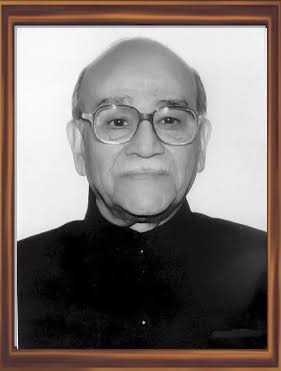
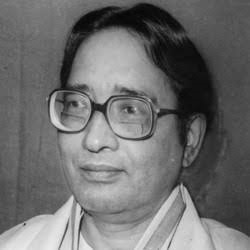
D. P. Chattopadhyaya (Debi Prasad Chattopadhyaya) was a renowned Indian philosopher, historian, and scholar who made significant contributions to philosophy, science studies, social thought, and Indian intellectual traditions. He worked to connect ancient Indian philosophy with modern scientific thinking and encouraged research in the fields of philosophy and culture. His remarkable contributions to education, scholarship, and intellectual development earned him the prestigious Padma Vibhushan Award.
Early Life
D. P. Chattopadhyaya was born on 19 November 1933 in Calcutta (now Kolkata), West Bengal, India. He grew up in an environment that encouraged learning, literature, and social awareness.
From an early age, he developed a deep interest in philosophy, history, and Indian culture. His intellectual curiosity guided him toward a lifelong career as a philosopher and researcher.
Birth Date and Death
Full Name: Debi Prasad Chattopadhyaya
Date of Birth: 19 November 1933
Place of Birth: Kolkata, West Bengal, India
Date of Death: 29 May 2022
Place of Death: Kolkata, West Bengal, India
He passed away at the age of 88 after making significant contributions to Indian philosophy and scholarship.
Education and Career
D. P. Chattopadhyaya completed his higher education in philosophy and became deeply involved in academic research.
He served in several important roles, including:
- Professor of Philosophy
- Researcher and writer
- Founder and director of academic institutions
- Leader in philosophical and cultural studies
He was associated with institutions such as the Indian Council of Philosophical Research (ICPR) and played a major role in promoting philosophical research in India.
Why Did D. P. Chattopadhyaya Receive the Padma Vibhushan Award?
D. P. Chattopadhyaya received the Padma Vibhushan in 2009, one of India’s highest civilian awards, for his outstanding contribution to philosophy, education, and intellectual development.
He was honoured for:
- His extensive research and writings in philosophy.
- His efforts to promote Indian philosophical traditions.
- His contribution to the study of science, culture, and society.
- His role in developing institutions dedicated to philosophical research.
His work helped establish Indian philosophy as an important field of global academic study.
Career and Achievements
D. P. Chattopadhyaya had a distinguished career as a philosopher and academic leader.
Major Achievements:
- Wrote several influential books on philosophy, science, and Indian thought.
- Promoted dialogue between Indian philosophical traditions and modern science.
- Worked to preserve and develop philosophical research in India.
- Encouraged interdisciplinary studies involving philosophy, history, and science.
- Contributed to the growth of philosophical institutions and academic programs.
Some of his notable works include writings on Indian philosophy, Marxist thought, science, and cultural history.
Field of Achievements
D. P. Chattopadhyaya’s major fields of achievement were:
- Philosophy
- Indian Intellectual History
- Science and Philosophy
- Education
- Research and Academic Development
- Cultural Studies
He was recognized as one of the leading thinkers who brought Indian philosophy into conversation with modern ideas.
Awards and Honours
D. P. Chattopadhyaya received several honours for his contributions, including:
- Padma Vibhushan (2009) – India’s second-highest civilian award.
- Padma Bhushan (2003) – For distinguished contributions to literature and education.
- Fellowships and recognitions from various academic and philosophical organizations.
- Honours from national and international institutions for his scholarly contributions.
Interesting Facts About D. P. Chattopadhyaya
- He was one of India’s most respected modern philosophers.
- He wrote extensively on the relationship between philosophy and science.
- He promoted the study of Indian philosophical traditions worldwide.
- He was associated with the development of philosophical research institutions in India.
- His writings explored connections between ancient Indian ideas and contemporary challenges.
- He believed that philosophy should contribute to understanding society and human progress.
Legacy and Inspiration
D. P. Chattopadhyaya’s legacy lies in his dedication to knowledge, research, and intellectual exploration. His work inspired students, philosophers, and researchers to study Indian thought while engaging with modern scientific ideas.
His writings continue to be studied in academic circles and remain valuable resources for understanding philosophy and culture.
Contribution to the Nation
D. P. Chattopadhyaya contributed to India by:
- Strengthening philosophical research and education.
- Promoting Indian philosophy on national and international platforms.
- Encouraging scientific and rational approaches to social issues.
- Building institutions that supported intellectual growth.
- Inspiring future generations of scholars and thinkers.
His contributions helped enrich India’s academic and cultural heritage.
Conclusion
D. P. Chattopadhyaya was a great philosopher, scholar, and educator who dedicated his life to the pursuit of knowledge. Through his research, writings, and institutional work, he made philosophy an important part of India’s intellectual identity. His Padma Vibhushan honour reflects his exceptional contribution to education, philosophy, and national development. His ideas continue to inspire scholars and learners across the world.
About the Author