

Introduction
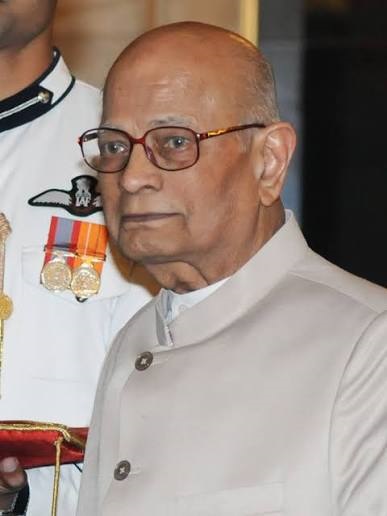
Brajesh Mishra was one of India’s most influential diplomats, civil servants, and strategic thinkers. Best known for serving as the Principal Secretary to the Prime Minister and India’s first National Security Adviser (NSA), he played a crucial role in shaping India’s foreign policy and national security during a transformative period. His leadership, diplomatic expertise, and dedication to public service earned him widespread respect. In recognition of his exceptional contributions to public affairs, he was posthumously awarded the Padma Vibhushan, India’s second-highest civilian honor.
Why Did He Receive the Padma Vibhushan Award?
Brajesh Mishra was awarded the Padma Vibhushan in 2011 (posthumously) for his exceptional contributions to Civil Service and Public Affairs.
The Government of India recognized him for:
- His outstanding leadership as India’s first National Security Adviser.
- Strengthening India’s national security framework.
- Shaping India’s foreign policy during critical international developments.
- Enhancing India’s strategic and diplomatic relations with major world powers.
- His decades of distinguished service as a diplomat and senior government official.
His strategic vision had a lasting impact on India’s security and international standing.
Career and Achievements
Brajesh Mishra had a distinguished career in diplomacy and public administration spanning more than four decades.
Some of his major achievements include:
- Joined the Indian Foreign Service (IFS) in 1951.
- Served as India’s Ambassador to several countries.
- Served as India’s Permanent Representative to the United Nations from 1979 to 1981.
- Became the Principal Secretary to Prime Minister Atal Bihari Vajpayee in 1998.
- Served as India’s first National Security Adviser (NSA) from 1998 to 2004.
- Played a key role in India’s response to the 1998 nuclear tests and subsequent diplomatic engagement with the international community.
- Contributed significantly to strengthening India’s strategic partnerships with countries including the United States.
His leadership helped shape India’s modern national security architecture.
Early Life
Brajesh Mishra was born into a prominent political family in Madhya Pradesh. His father, Dwarka Prasad Mishra, was a noted freedom fighter, journalist, and politician. Growing up in an intellectually stimulating environment, Brajesh developed a keen interest in public affairs, diplomacy, and international relations.
Birth Date and Death
- Born: 29 September 1928
- Birthplace: Gwalior
- Died: 28 September 2012
- Place of Death: New Delhi
- Age at Death: 83 years
He passed away just one day before his 84th birthday, leaving behind a remarkable legacy in Indian diplomacy.
Education and Career
Education
- Completed his schooling in Madhya Pradesh.
- Pursued higher education before joining the Indian Foreign Service in 1951.
- Although details of his university education are not widely documented, his diplomatic career reflected exceptional knowledge of international relations and public administration.
Career
Throughout his distinguished career, he served in several important positions:
- Officer in the Indian Foreign Service (IFS).
- Indian Ambassador to Indonesia.
- Permanent Representative of India to the United Nations.
- Principal Secretary to Prime Minister Atal Bihari Vajpayee.
- First National Security Adviser (NSA) of India.
- Chief strategist on foreign policy and national security.
Field of Achievement
Brajesh Mishra made significant contributions in:
- Diplomacy
- Foreign Policy
- National Security
- Public Administration
- Civil Service
- International Relations
- Strategic Affairs
Awards and Honours
Brajesh Mishra received several honors during and after his lifetime, including:
- Padma Vibhushan (2011) – India’s second-highest civilian award (posthumously).
- Recognition from national and international institutions for his distinguished diplomatic service.
- Widely regarded as one of the architects of India’s modern national security system.
Interesting Facts
- He was India’s first National Security Adviser (NSA).
- He simultaneously served as Principal Secretary to Prime Minister Atal Bihari Vajpayee.
- He played an important role in managing the diplomatic aftermath of India’s 1998 nuclear tests.
- He was instrumental in strengthening India–United States relations in the early 2000s.
- Before entering government service, he came from a family deeply involved in India’s political and freedom movement.
- He was known for his calm decision-making and strategic thinking during national crises.
Legacy and Inspiration
Brajesh Mishra’s legacy continues through:
- The institutional framework of India’s National Security Council.
- His contributions to India’s modern foreign and security policies.
- His emphasis on strategic planning and effective governance.
- His influence on future diplomats, civil servants, and security experts.
- His role in strengthening India’s position on the global stage.
He is remembered as a visionary strategist whose work continues to influence India’s approach to national security and international relations.
Contribution to the Nation
Brajesh Mishra made lasting contributions to India by:
- Strengthening India’s national security institutions.
- Improving coordination between foreign policy and defense strategy.
- Representing India effectively at the United Nations and other international forums.
- Enhancing India’s diplomatic relationships with major global powers.
- Advising the Prime Minister on key national and international issues.
- Helping establish a more integrated approach to national security and strategic decision-making.
His leadership significantly shaped India’s security and diplomatic policies in the late 20th and early 21st centuries.
Conclusion
Brajesh Mishra was an exceptional diplomat, strategist, and public servant whose vision helped redefine India’s national security and foreign policy. As the country’s first National Security Adviser and Principal Secretary to Prime Minister Atal Bihari Vajpayee, he played a pivotal role in addressing complex security challenges and strengthening India’s international standing. The Padma Vibhushan honored his lifetime of distinguished service to the nation. His legacy continues to inspire diplomats, policymakers, civil servants, and students of international relations, making him one of the most respected figures in modern Indian public affairs.
About the Author




