Introduction
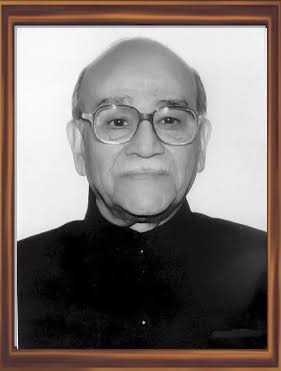
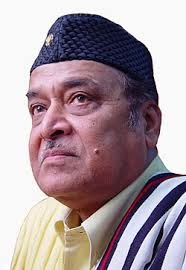
Bhupen Hazarika was one of India’s most respected musicians, singers, poets, filmmakers, and cultural personalities. Popularly known as the “Bard of Brahmaputra,” he used music as a powerful medium to spread messages of humanity, unity, peace, and social harmony. His soulful voice and meaningful songs connected people across languages and regions, especially in Assam and Northeast India. In recognition of his exceptional contribution to Art and Culture, he was awarded the Padma Vibhushan, India’s second-highest civilian honor.
Why Did He Receive the Padma Vibhushan Award?
Bhupen Hazarika was awarded the Padma Vibhushan in 2012 (posthumously) for his outstanding contributions to Art.
The Government of India honored him for:
- His extraordinary contribution to Indian music and culture.
- Promoting Assamese music and Northeast India’s cultural heritage.
- Creating songs that reflected social issues, human values, and national unity.
- His work as a singer, composer, lyricist, filmmaker, and cultural ambassador.
- Inspiring generations through his powerful and meaningful compositions.
His music became a symbol of India’s cultural diversity and unity.
Career and Achievements
Bhupen Hazarika had a remarkable career spanning more than six decades in music, cinema, and social service.
Some of his major achievements include:
- Composed and sang thousands of songs in Assamese, Bengali, Hindi, and other languages.
- Became one of the most influential figures in Indian folk and modern music.
- Worked as a playback singer, music director, lyricist, and filmmaker.
- Directed and composed music for Assamese films.
- Introduced Assamese folk traditions to national and international audiences.
- Served as a cultural representative of India in various international forums.
- Created songs focusing on humanity, equality, and social justice.
His music continues to inspire millions of listeners across India.
Early Life
Bhupen Hazarika was born in Assam and grew up surrounded by the rich cultural traditions of the Brahmaputra Valley. His mother introduced him to Assamese folk songs and traditional music at an early age. His childhood experiences with nature, society, and folk culture deeply influenced his later artistic work.
He showed exceptional musical talent from a young age and began performing publicly as a child.
Birth Date and Death
- Born: 8 September 1926
- Birthplace: Sadiya
- Died: 5 November 2011
- Place of Death: Mumbai
- Age at Death: 85 years
He left behind a rich musical legacy that continues to influence Indian artists.
Education and Career
Education
Bhupen Hazarika was highly educated and combined his academic knowledge with artistic creativity.
- Completed his early education in Assam.
- Earned a Bachelor’s degree in Political Science from Cotton University.
- Completed a Master’s degree in Political Science from Banaras Hindu University.
- Received a PhD in Mass Communication from Columbia University, USA.
Career
Throughout his career, he worked as:
- Singer and musician.
- Composer and lyricist.
- Film director and music director.
- Cultural activist.
- University professor.
- Social commentator.
His work bridged music, literature, cinema, and social awareness.
Field of Achievement
Bhupen Hazarika made exceptional contributions in:
- Music
- Singing
- Film Direction
- Lyric Writing
- Assamese Culture
- Folk Music
- Social Awareness through Art
- Indian Performing Arts
Awards and Honours
Bhupen Hazarika received many prestigious awards, including:
- Padma Vibhushan (2012) – India’s second-highest civilian award (posthumously).
- Bharat Ratna (2019, posthumously).
- Padma Bhushan (2001).
- Sangeet Natak Akademi Award (1987).
- Dadasaheb Phalke Award (1992).
- Numerous state and national awards for music and cinema.
These honors recognized his immense contribution to Indian art and culture.
Interesting Facts
- He was popularly called the “Bard of Brahmaputra” because of his deep connection with Assam’s culture and the Brahmaputra River.
- He started singing publicly at the age of 10.
- He earned a doctorate from Columbia University, where he studied mass communication.
- He wrote and performed songs promoting peace, equality, and humanity.
- His famous song “Bistirno Parore” became an iconic composition about human suffering and social concerns.
- He worked in Assamese, Bengali, and Hindi cinema.
- His music crossed regional boundaries and gained popularity throughout India.
Legacy and Inspiration
Bhupen Hazarika’s legacy continues through:
- His timeless songs and compositions.
- His efforts to promote Northeast India’s culture.
- His message of humanity, harmony, and social equality.
- His influence on generations of musicians and artists.
- His contribution to preserving folk traditions through modern music.
He remains a symbol of cultural pride and artistic excellence.
Contribution to the Nation
Bhupen Hazarika made significant contributions to India by:
- Promoting India’s cultural diversity through music.
- Bringing Assamese and Northeast Indian traditions to national and international audiences.
- Using art as a tool for social awareness and unity.
- Creating songs that highlighted human rights, peace, and compassion.
- Strengthening India’s film and music heritage.
- Inspiring artists to use creativity for social change.
His work helped connect people across different languages, cultures, and regions.
Conclusion
Bhupen Hazarika was a legendary musician, filmmaker, and cultural icon whose art touched millions of hearts. Through his soulful voice and meaningful songs, he promoted humanity, unity, and social harmony. The Padma Vibhushan recognized his extraordinary contribution to Art and Culture and his role in enriching India’s musical heritage. His legacy as the Bard of Brahmaputra continues to inspire musicians, artists, and people across India, ensuring that his message of love, peace, and togetherness lives on for generations.
About the Author