

1. Introduction
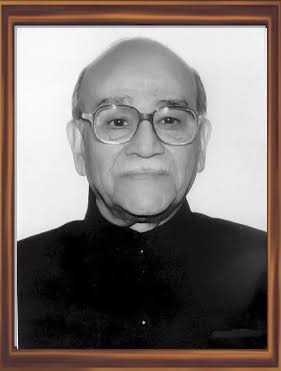
Bhagwati Charan Verma (1903–1981) stands as one of the stalwarts of 20th-century Hindi fiction. Best remembered for his classic metaphysical novel Chitralekha and his epic sociological chronicle Bhoole Bisre Chitra, Verma’s body of work explored the intricate layers of human morality, social evolution, and individual choices. Beyond literature, his versatility spanned journalism, screenwriting in early Indian cinema, and parliamentary service as a member of the Rajya Sabha.
2. Quick facts
- Full Name: Bhagwati Charan Verma
- Native Name: भगवतीचरण वर्मा (Hindi)
- Date of birth: August 30, 1903
- Place Of birth: Safipur, Unnao district, United Provinces (present-day Uttar Pradesh), India
- Nationality: Indian
- Occupation/ Profession: Author, Novelist, Poet, Screenwriter, Politician
- Field of Achievement: Hindi Literature and Public Service
- Years Active: 1920s–1981
3. Award Information
- Award Name: Padma Bhushan
- Award Category: Literature and Education
- Award Year: 1971
- Presented By: President of India
- Date of Ceremony: January 26, 1971 (Republic Day)
- Citation/Official Reason: For exceptional service and distinct contributions to the field of Hindi literature.
- Previous Recipients (optional): Eminent literary figures and scholars recognized in preceding civilian award cycles.
- Next Recipients: Succeeding masters of arts and letters honored by the nation.
4. Why they Receive the award?
Verma was honored with the Padma Bhushan for his lifetime of exceptional literary output, which profoundly enriched modern Hindi prose and poetry. His novels successfully married engrossing storytelling with complex philosophical debates on ethics, human nature, and changing societal structures.
5. Early Life
Born into a Kayastha family in Safipur, Uttar Pradesh, Verma grew up in an environment steeped in traditional values and cultural awareness. His father, Pandit Shiv Charan Verma, practiced law, instilling early discipline and academic focus in young Bhagwati. Growing up across Unnao, Kanpur, and Allahabad, he developed a sharp eye for observing the nuances of rural and urban Indian life.
6. Education
- Early Schooling: Received his foundational education locally in Safipur.
- Higher Education: Attended Allahabad University, where he completed his Bachelor of Arts (B.A.) followed by a Bachelor of Laws (LL.B.) degree, equipping him with a sound understanding of jurisprudence before he pivoted entirely to creative writing.
7. Carrier Journey
- Early Literary Stints: Began writing poetry early on, publishing his first pieces while still in school. He quickly became associated with the progressive and romantic movements in Hindi literature.
- Radio & Journalism: Served as a Hindi advisor at All India Radio (AIR), Lucknow, and edited/published his own periodical Vichaar during his time in Calcutta.
- Bombay Cinema (1943–1948): Worked in the film industry in Bombay at the invitation of Devika Rani. He penned screenplays and dialogues for prominent films, including writing the script for Jwar Bhata (1944).
- Parliamentary Career: Recognized for his stature in public life, he was nominated as a member of the Rajya Sabha (the Upper House of the Indian Parliament) in 1978.
8. Major Achievements
- Authored Chitralekha (1934), a landmark philosophical novel questioning the very definitions of sin and virtue, which became a phenomenal commercial and critical success.
- Awarded the prestigious Sahitya Akademi Award in 1961 for his sweeping five-part epic novel Bhoole Bisre Chitra.
- Credited with giving legendary actor Dilip Kumar his famous screen name (suggested during the making of Jwar Bhata).
9. Contribution to the Nation
Verma enriched the cultural fabric of independent India by giving voice to its complex societal transitions. Through his novels, essays, and radio broadcasts, he standardized refined Hindi idioms, fostered critical thinking regarding traditional morality versus modern realities, and served as an active cultural ambassador in the halls of governance.
10. Other Awards and Honours
- Sahitya Akademi Award (1961): For his magnum opus Bhoole Bisre Chitra.
- Padma Bhushan (1971): Conferred by the Government of India.
- Rajya Sabha Nomination (1978): Acknowledged as a distinguished man of letters and public intellect.
11. Legacy and Influence
Bhagwati Charan Verma remains a permanent pillar of Hindi literature. Chitralekha continues to be studied in academic institutions as a textbook example of psychological and philosophical fiction. His ability to dissect human frailties with empathy and wit inspired generations of subsequent Hindi writers and dramatists.
12. Interesting Facts
- His masterpiece Chitralekha was adapted into successful feature films twice—first in 1941 and later in a celebrated 1964 version directed by M. S. Sathyu/Kidar Sharma.
- While working in Bombay Talkies, it was Bhagwati Charan Verma who suggested changing actor Yusuf Khan’s name to Dilip Kumar.
- He wrote across multiple genres seamlessly, publishing poetry collections, short stories, plays, and long-form historical and social novels.
13. Quotes
“Pap kya hai? Punya kya hai? Manushya ki vichardhara hi uske karmon ki paribhasha tay karti hai.”
(What is sin? What is virtue? It is man’s own ideology that defines the true nature of his actions.) — From Chitralekha
14. Timeline
- 1903: Born on August 30 in Safipur, Uttar Pradesh.
- 1934: Publishes his defining philosophical novel, Chitralekha.
- 1943–1948: Works in the Bombay film industry as a screenwriter.
- 1961: Receives the Sahitya Akademi Award for Bhoole Bisre Chitra.
- 1971: Awarded the Padma Bhushan by the Government of India.
- 1978: Nominated as a Member of Parliament in the Rajya Sabha.
- 1981: Passes away on October 5 in New Delhi at the age of 78.
15. References
- Wikipedia contributors. “Bhagwati Charan Verma.” Wikipedia, The Free Encyclopedia.
- Sahitya Akademi monograph series — Bhagwati Charan Verma by Srilal Shukla.
- Archives of Hindi Sahitya Sammelan and historical records of the Ministry of Home Affairs, Government of India.
16. Related Personalities
- Acharya Chatursen Shastri: Contemporary historical and social Hindi novelist.
- Yashpal: Prominent Hindi fiction writer of the mid-20th century.
- Devika Rani: Legendary pioneer of Indian cinema who brought Verma into the Bombay film sphere.
17. Frequently Asked Questions (FAQ)
- What is Bhagwati Charan Verma’s most famous book?His most celebrated work is the 1934 philosophical novel Chitralekha, which explores the thin line dividing sin and virtue.
- When did he receive the Padma Bhushan?He was awarded the Padma Bhushan in 1971 for his profound contributions to Hindi literature.
- Did he write for Bollywood?Yes, during the 1940s, he worked in Bombay as a script and dialogue writer, notably penning the script for Dilip Kumar’s debut film Jwar Bhata (1944).
About the Author