
Introduction
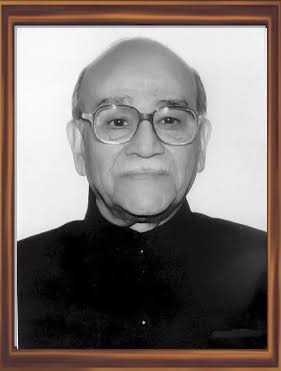
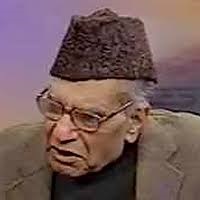
Bal Ram Nanda was a renowned Indian historian, author, and scholar best known for his extensive research on Mahatma Gandhi and the Indian freedom movement. He played an important role in promoting the study of modern Indian history and was considered one of the leading historians of Gandhi’s life and philosophy. Through his writings, teaching, and academic contributions, he helped generations understand India’s struggle for independence and the values of democracy and social reform. For his exceptional contribution to literature, education, and historical research, he was honored with the Padma Vibhushan.
Early Life
Bal Ram Nanda was born in Gujranwala, which is now in Pakistan. He grew up during a period of major political and social changes in India. His interest in history, public affairs, and India’s freedom movement developed during his early years.
After the Partition of India in 1947, he moved to India and continued his academic journey. His experiences during this period influenced his interest in documenting India’s modern history.
Birth Date and Death
- Full Name: Bal Ram Nanda
- Date of Birth: 23 December 1917
- Place of Birth: Gujranwala, Punjab (now in Pakistan)
- Date of Death: 26 May 2010
- Place of Death: New Delhi, India
- Age at Death: 92 years
Education and Career
Education
Bal Ram Nanda received his early education in Punjab and pursued higher studies in history and economics.
His educational qualifications included:
- Master’s degree in Economics from the University of Punjab.
- Further academic training and research in history and public administration.
His academic background helped him develop a deep understanding of India’s social, political, and economic development.
Career
Bal Ram Nanda had a distinguished career as a historian, writer, and educator.
Major milestones include:
- Worked as a teacher and researcher in history.
- Served as the first Director of the Nehru Memorial Museum and Library.
- Conducted extensive research on India’s modern history.
- Wrote several influential books, especially on Mahatma Gandhi.
- Promoted historical research and preservation of important documents.
His work helped establish modern Indian history as an important field of academic study.
Why Did He Receive the Padma Vibhushan Award?
Bal Ram Nanda received the Padma Vibhushan in 2003 for his outstanding contribution to literature, education, and historical research.
He was honored because he:
- Made significant contributions to Indian historical scholarship.
- Wrote authoritative biographies on Mahatma Gandhi.
- Preserved and promoted knowledge about India’s freedom struggle.
- Encouraged research and learning in modern Indian history.
- Inspired scholars and students through his writings and teaching.
His work helped create a deeper understanding of India’s national movement and its leaders.
Career and Achievements
Bal Ram Nanda achieved great recognition as a historian and author.
Some of his major achievements include:
- Authored important books on Mahatma Gandhi and Indian nationalism.
- Wrote the acclaimed biography “Mahatma Gandhi: A Biography”.
- Established the Nehru Memorial Museum and Library as a major center for historical research.
- Encouraged young historians and researchers.
- Contributed greatly to the documentation of India’s freedom movement.
- Produced scholarly works respected both in India and internationally.
Field of Achievement
Bal Ram Nanda’s main fields of achievement include:
- History
- Biography Writing
- Indian Freedom Movement Studies
- Gandhian Studies
- Education
- Historical Research
- Literature
Awards and Honours
Bal Ram Nanda received several prestigious awards and recognitions, including:
- Padma Bhushan (1988)
- Padma Vibhushan (2003)
- Fellowships and honours from academic and historical organizations.
- Recognition for outstanding contributions to Indian history and literature.
Interesting Facts
- Bal Ram Nanda was one of the most respected historians of modern India.
- He was considered an authority on Mahatma Gandhi’s life and work.
- His biography of Gandhi became widely used by students and researchers.
- He was the founding Director of the Nehru Memorial Museum and Library.
- He dedicated much of his life to preserving historical knowledge.
- He believed that history should help society understand its values and challenges.
Legacy and Inspiration
Bal Ram Nanda’s legacy continues through his books, research work, and contributions to historical education. His writings helped present Gandhi’s ideas and India’s freedom struggle to readers around the world.
His life inspires historians, writers, and students to pursue knowledge with honesty, dedication, and academic excellence. His commitment to preserving India’s history remains valuable for future generations.
Contribution to the Nation
Bal Ram Nanda made significant contributions to India by:
- Documenting the history of India’s independence movement.
- Promoting research on Mahatma Gandhi and national leaders.
- Establishing institutions for historical study and preservation.
- Educating generations through his writings and scholarship.
- Preserving important records and memories of India’s past.
- Encouraging appreciation of India’s democratic and social values.
His work strengthened India’s understanding of its own history and heritage.
Conclusion
Bal Ram Nanda was one of India’s most respected historians and biographers. Through his research, writings, and academic leadership, he made a lasting contribution to the study of India’s modern history and the life of Mahatma Gandhi. His dedication to preserving historical knowledge and promoting education earned him the Padma Vibhushan, one of India’s highest civilian honours. His legacy continues to inspire historians, scholars, and readers who seek to understand India’s journey through history.
About the Author