

Introduction
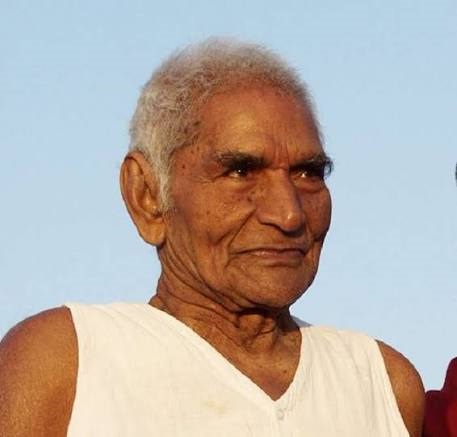
Baba Amte, whose full name was Murlidhar Devidas Amte, was one of India’s greatest social reformers and humanitarians. He dedicated his life to serving people affected by leprosy, poverty, and social discrimination. Through his compassion, courage, and commitment, he created a movement based on dignity, equality, and self-reliance for marginalized communities.
Why Did Baba Amte Receive the Padma Vibhushan Award?
Baba Amte received the Padma Vibhushan in 1986 for his exceptional service to society, especially for his work for people affected by leprosy.
He was honored for:
- Challenging the social stigma associated with leprosy.
- Providing healthcare, education, and rehabilitation to people with disabilities and illnesses.
- Establishing communities where affected individuals could live with dignity and independence.
- Promoting social equality and human rights.
His work transformed the lives of thousands of people who were often rejected by society.
Early Life
Baba Amte was born into a wealthy family on 26 December 1914 in Hinganghat, Maharashtra, India. Despite growing up in comfort, he developed a strong sense of responsibility toward poor and disadvantaged people.
During his youth, he studied law and worked as a lawyer, but he later decided to dedicate his life to social service.
Birth Date and Death
- Birth Date: 26 December 1914
- Birth Place: Hinganghat, Maharashtra, India
- Death Date: 9 February 2008
- Age at Death: 93 years
Education and Career
Baba Amte completed his education in Maharashtra and studied law at Nagpur University.
- He began his career as a lawyer.
- Later, he gave up his legal practice to work for social causes.
- He founded Maharogi Sewa Samiti in 1949, which established Anandwan, a self-sufficient community for people affected by leprosy and disabilities.
Career and Achievements
Baba Amte spent his entire life working for social justice and humanitarian causes.
Major achievements include:
- Creating Anandwan, a rehabilitation center where people affected by leprosy could work, learn, and live independently.
- Fighting against discrimination and fear surrounding leprosy.
- Supporting people with disabilities through education, healthcare, and employment opportunities.
- Leading movements for environmental protection and social equality.
- Organizing the Bharat Jodo Yatra to promote national unity.
Field of Achievements
Baba Amte’s major areas of contribution include:
1. Social Service
He dedicated his life to helping disadvantaged communities and improving their quality of life.
2. Leprosy Rehabilitation
He worked to remove the stigma around leprosy and proved that affected individuals could lead productive and independent lives.
3. Human Rights
He fought for dignity, equality, and respect for marginalized people.
4. Environmental Protection
He supported environmental conservation and raised awareness about ecological issues.
Awards and Honours
Baba Amte received many national and international awards, including:
- Padma Shri (1971)
- Padma Vibhushan (1986)
- Ramon Magsaysay Award (1985)
- Gandhi Peace Prize (1999)
- Templeton Prize (1990)
Interesting Facts
- Baba Amte was a successful lawyer before choosing a life of service.
- He overcame his fear of leprosy by personally caring for people affected by the disease.
- His wife, Sadhana Amte, supported him throughout his social work.
- His sons, Prakash Amte and Vikas Amte, continued his humanitarian work.
- Anandwan became a model of community-based rehabilitation.
Legacy and Inspiration
Baba Amte’s life represents compassion, courage, and service to humanity. He showed that social change can be achieved through dedication and empathy. His work continues to inspire people to help those who are neglected and to fight against discrimination.
His message was that every person deserves respect, opportunities, and a life of dignity.
Contribution to the Nation
Baba Amte made lasting contributions to India by:
- Improving the lives of people affected by leprosy and disabilities.
- Creating rehabilitation and education centers.
- Promoting equality and social inclusion.
- Encouraging volunteerism and community service.
- Inspiring future generations to work for social welfare.
Conclusion
Baba Amte was not only a social worker but also a symbol of humanity and compassion. His lifelong dedication to helping the poor, disabled, and marginalized transformed countless lives. Through his vision and service, he created a legacy that continues to inspire India and the world to work toward a more equal and caring society.
About the Author




