
1. Introduction
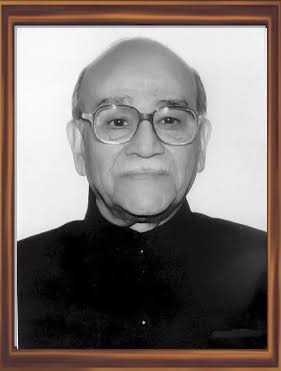
Dr. Ayyagari Sambasiva Rao, popularly known as A. S. Rao (20 September 1914 – 31 October 2003), was a legendary Indian scientist, industrialist, and visionary. Widely regarded as the father of indigenous electronics in India, he played a monumental role in shaping the nation’s scientific landscape by founding the Electronics Corporation of India Limited (ECIL) in Hyderabad and pioneering nuclear electronic instrumentation alongside Dr. Homi J. Bhabha.
2. Quick Facts
- Full Name: Ayyagari Sambasiva Rao
- Native Name: అయ్యగారి సాంబశివరావు
- Date of Birth: 20 September 1914
- Place of Birth: Mogallu, West Godavari district, Andhra Pradesh, India
- Nationality: Indian
- Occupation / Profession: Scientist, Industrialist, and Engineer
- Field of Achievement: Electronics Engineering, Nuclear Instrumentation, and Industrial Research
- Years Active: 1939 – 1980s
3. Award Information
- Award Name: Padma Bhushan
- Award Category: Civil Honour (Third-highest civilian award in India)
- Award Year: 1972
- Presented By: Government of India
- Date of Ceremony: Official Investiture Ceremony held in 1972
- Citation / Official Reason: Recognized for his exceptional services to science, industrial development, and indigenous technological self-reliance.
4. Why He Received the Award
Dr. A. S. Rao received the Padma Bhushan for his pioneering leadership in building India’s electronics sector from the ground up. From spearheading the design of critical nuclear reactor controls at the Bhabha Atomic Research Centre (BARC) to founding ECIL—which manufactured complex electronic systems indigenously—his work eliminated India’s reliance on foreign technology in sensitive strategic sectors.
5. Early Life
Born into a modest farming family belonging to Venkatachalam and Sundaramma in the picturesque village of Mogallu, Andhra Pradesh, Rao overcame early financial hardships through sheer grit and academic brilliance. Growing up in rural Andhra, his early environment was simple, but his insatiable appetite for math and science drove him to pursue higher education against the odds.
6. Education
- Schooling: Completed his early education in local schools across West Godavari district.
- Higher Education (Physics): Earned his Master of Science (M.Sc.) degree in Physics with high academic honors from Banaras Hindu University (BHU) in 1939.
- Advanced Engineering: Received the prestigious Tata Scholarship in 1946, enabling him to travel to the United States and complete a Master’s degree in Electrical Engineering from Stanford University.
7. Career Journey
- Academic Beginnings (1939–1946): Taught and conducted physics research as a faculty member at Banaras Hindu University for six years.
- TIFR & BARC (1947–1967): Joined the Tata Institute of Fundamental Research (TIFR) as a Reader in Experimental Physics under Dr. Homi J. Bhabha, later moving to the Atomic Energy Establishment (later BARC) in Trombay, where he headed the Electronics and Radiation Health Protection groups.
- Founding ECIL (1967): Moved to Hyderabad to establish the Electronics Corporation of India Limited (ECIL) under the Department of Atomic Energy, serving as its founding Managing Director for over a decade.
8. Major Achievements
- Designed and built indigenous instrumentation and control systems for India’s first nuclear reactors (including Apsara).
- Founded ECIL in 1967, transforming it into a major multi-technology public sector enterprise that produced televisions, computers, communication gear, and defense electronics locally.
- Awarded the Shanti Swarup Bhatnagar Prize in 1965 for Engineering Sciences.
- Conferred the Padma Shri in 1960 prior to receiving the Padma Bhushan.
9. Contribution to the Nation
Dr. Rao was a principal architect of India’s technological sovereignty. At a time when post-independence India faced strict international technology denials, he demonstrated that complex electronic and nuclear control systems could be designed, engineered, and manufactured entirely by Indian scientists and engineers. His efforts laid the foundation for India’s modern IT, defense, and space electronics ecosystems.
10. Other Awards and Honours
- Padma Shri (1960) by the Government of India.
- Shanti Swarup Bhatnagar Prize (1965) in Engineering Sciences.
- Doctor of Science (Honoris Causa) from Andhra University (1969).
- FICCI Award for outstanding achievement in engineering (1976).
- National Design Award from the Institution of Engineers (1977).
- A prominent suburb in Secunderabad, Hyderabad—A. S. Rao Nagar—is named in his honor.
11. Legacy and Influence
Dr. A. S. Rao’s legacy is deeply tied to the industrial identity of Hyderabad, which blossomed into a major electronics and tech hub largely due to his institutional foundations at ECIL. Generations of technocrats, engineers, and public sector leaders look to his model of self-reliant research and development as a benchmark for national growth.
12. Interesting Facts
- Pioneering Spirit: When building ECIL, he chose to rely entirely on indigenous research and local talent rather than foreign joint ventures, setting a bold precedent for Indian public sector undertakings.
- Centenary Commemoration: India Post released a commemorative postal stamp in November 2014 to mark his birth centenary.
- Deep Simplicity: Despite being a towering corporate and scientific leader who managed thousands of employees, he remained famously austere, deeply approachable, and dedicated to grassroots mentorship.
13. Quotes
“Self-reliance in high technology is not merely an economic goal; it is an essential pillar of national security and sovereignty.” (Reflecting his core philosophy on indigenous engineering)
14. Timeline
- 1914: Born on September 20 in Mogallu, Andhra Pradesh.
- 1939: Completed M.Sc. in Physics from BHU and began teaching.
- 1946: Went to Stanford University on a Tata Scholarship.
- 1947: Joined TIFR/Atomic Energy program alongside Dr. Homi J. Bhabha.
- 1960: Conferred the Padma Shri.
- 1965: Awarded the Shanti Swarup Bhatnagar Prize.
- 1967: Founded the Electronics Corporation of India Limited (ECIL) in Hyderabad.
- 1972: Awarded the Padma Bhushan by the Government of India.
- 2003: Passed away on October 31 in Hyderabad at the age of 89.
15. References
- Wikipedia contributors. “A. S. Rao.” Wikipedia, The Free Encyclopedia.
- Ministry of Home Affairs, Government of India — Padma Awards Directory.
- The Hindu & The Times of India Archival Reports on Dr. A.S. Rao’s Life and Career.
- Indian Academy of Sciences — Fellow Profile Archives.
16. Related Personalities
- Dr. Homi J. Bhabha: The father of India’s nuclear program, who worked closely with Dr. Rao to build indigenous scientific infrastructure.
- Vikram Sarabhai: Visionary physicist who collaborated with the atomic and electronics establishment leaders on India’s technological leap.
- D. Mohana Rao: Author who documented his life and contributions in the biographical work The Man with a Vision.
17. Frequently Asked Questions (FAQ)
Q: Who was A. S. Rao?
A: Dr. Ayyagari Sambasiva Rao was a pioneering Indian scientist and industrialist widely recognized as the father of indigenous electronics in India.
Q: What is A. S. Rao best known for founding?
A: He is best known as the founder and first Managing Director of the Electronics Corporation of India Limited (ECIL) in Hyderabad.
Q: Did Dr. A. S. Rao receive civilian honors?
A: Yes, he was honored with both the Padma Shri (1960) and the Padma Bhushan (1972) by the Government of India.
Q: Where is A. S. Rao Nagar located?
A: A. S. Rao Nagar is a major residential and commercial suburb in Secunderabad, Hyderabad, named in his honor.
About the Author