

Introduction
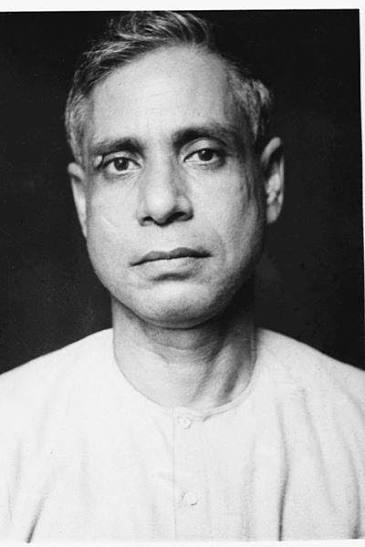
Ajoy Kumar Mukherjee was a renowned Indian freedom fighter, politician, and social reformer who played a significant role in India’s independence movement and the political development of West Bengal after independence. Known for his honesty, simplicity, and commitment to Gandhian principles, he served three terms as the Chief Minister of West Bengal. In recognition of his lifelong service to the nation, he was awarded the Padma Vibhushan, India’s second-highest civilian honour.
Why Did He Receive the Padma Vibhushan Award?
Ajoy Mukherjee was awarded the Padma Vibhushan in 1977 for his exceptional contributions to:
- India’s freedom struggle.
- Public service and democratic governance.
- Political leadership in West Bengal.
- Promotion of Gandhian ideals, social justice, and ethical politics.
- His lifelong dedication to national development and public welfare.
The Government of India recognized his decades of service as a freedom fighter and statesman with this prestigious civilian award.
Career and Achievements
Ajoy Mukherjee had a distinguished career in politics and public service.
Some of his major achievements include:
- Participated actively in the Indian Independence Movement, including the Quit India Movement (1942).
- Was imprisoned several times by the British for participating in the freedom struggle.
- Elected to the West Bengal Legislative Assembly multiple times.
- Served as the Chief Minister of West Bengal on three occasions:
- March–November 1967
- February 1969–March 1970
- April–June 1971
- Co-founded the Bangla Congress, which became an influential regional political party in West Bengal during the late 1960s.
- Worked to improve rural development, agriculture, and public welfare.
- Earned widespread respect for his integrity and simple lifestyle.
Early Life
Ajoy Mukherjee was born in Tamluk, in present-day Purba Medinipur district of West Bengal. He grew up in a patriotic family and became deeply influenced by Mahatma Gandhi’s ideals during his youth. Inspired by the freedom movement, he left his studies to participate in India’s struggle for independence and devoted his life to public service.
Birth Date and Death
- Born: 5 April 1901
- Birthplace: Tamluk
- Died: 27 June 1986
- Age at Death: 85 years
Education and Career
Education
- Studied at local schools in Bengal.
- Attended college but left his education to join the Indian freedom movement during Mahatma Gandhi’s Non-Cooperation Movement.
Career
- Freedom fighter during British rule.
- Member of the Indian National Congress for many years.
- Co-founder of the Bangla Congress.
- Three-time Chief Minister of West Bengal.
- Senior political leader known for clean and principled governance.
- Continued serving society even after retiring from active politics.
Field of Achievement
Ajoy Mukherjee made significant contributions in:
- Politics
- Public Administration
- Freedom Movement
- Social Service
- Democratic Governance
- Rural Development
- Gandhian Leadership
Awards and Honours
- Padma Vibhushan (1977) – India’s second-highest civilian award for exceptional service to the nation.
- Honoured by various social and political organizations for his contribution to India’s independence and public life.
- Remembered as one of West Bengal’s most respected political leaders.
Interesting Facts
- He spent several years in British prisons during the freedom struggle.
- He was a close follower of Mahatma Gandhi and strongly believed in non-violence.
- He co-founded the Bangla Congress, which challenged the dominance of the Congress Party in West Bengal during the 1960s.
- He served as Chief Minister three times despite facing politically unstable coalition governments.
- He was admired across party lines for his honesty and humility.
- Even while holding high office, he lived a simple and disciplined life.
Legacy and Inspiration
Ajoy Mukherjee’s legacy is built on integrity, sacrifice, and selfless public service. His commitment to Gandhian values and democratic principles continues to inspire politicians, civil servants, and young citizens. He demonstrated that political leadership should be based on honesty, compassion, and dedication to the welfare of the people.
His role in both India’s independence movement and the governance of West Bengal has secured him a lasting place in Indian political history.
Contribution to the Nation
Ajoy Mukherjee contributed significantly to India’s development by:
- Participating actively in the freedom struggle against British rule.
- Strengthening democratic institutions in independent India.
- Providing ethical and transparent political leadership.
- Promoting rural development and public welfare in West Bengal.
- Encouraging peace, social harmony, and Gandhian ideals.
- Inspiring future generations through his integrity and commitment to public service.
His contributions helped shape both India’s independence movement and the democratic governance of West Bengal.
Conclusion
Ajoy Mukherjee was a distinguished freedom fighter, visionary political leader, and devoted public servant whose life reflected the highest ideals of patriotism and integrity. From participating in India’s struggle for independence to serving three terms as the Chief Minister of West Bengal, he remained committed to the welfare of the people throughout his career. His outstanding contributions to the nation were recognized with the Padma Vibhushan in 1977. Today, his legacy continues to inspire leaders and citizens to uphold the values of honesty, democracy, and selfless service.
About the Author




