Alluri Sitarama Raju – Biography
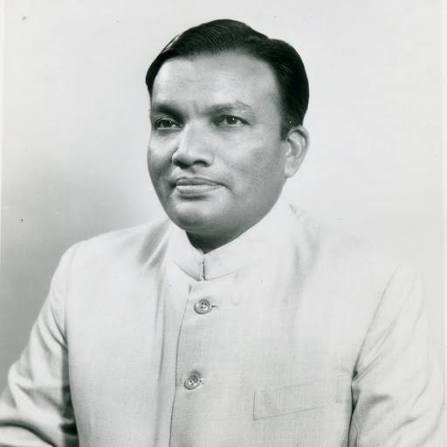
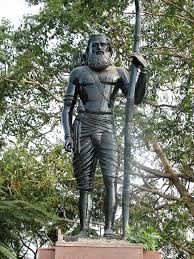
Alluri Sitarama Raju was a brave Indian freedom fighter who led the famous Rampa Rebellion (1922–1924) against British colonial rule in the tribal regions of Andhra Pradesh. He is remembered as a hero who fought for the rights of tribal communities and inspired armed resistance against British oppression.
Early Life and Education
Alluri Sitarama Raju was born in 1897 in Mogallu village, near Bhimavaram in present-day Andhra Pradesh, India. He belonged to a Telugu-speaking family.
From a young age, he showed interest in adventure, spirituality, and physical fitness. He spent much of his youth traveling across forests and learning about tribal communities. His formal education was limited, but he was well-educated through personal study, experience, and exposure to different cultures.
Education & Skills
- Limited formal schooling
- Well-versed in traditional medicine and Ayurveda
- Skilled in archery, horseback riding, and guerrilla warfare
- Knowledge of tribal customs and forest geography
- Strong leadership and motivational abilities
He developed exceptional skills in jungle warfare, which later helped him lead guerrilla attacks against British forces.
Contribution to Indian Freedom Movement
Alluri Sitarama Raju played a major role in the Indian revolutionary movement through armed resistance.
- Led the Rampa Rebellion (Manyam Rebellion) against British rule (1922–1924)
- Fought against unjust forest laws imposed on tribal people
- Mobilized tribal communities in the Eastern Ghats
- Used guerrilla warfare tactics against British police stations
- Became a symbol of tribal resistance and self-rule
He believed that non-violent methods alone were not enough to fight colonial oppression in tribal regions.
Contribution to Tamil Literature
Alluri Sitarama Raju did not contribute directly to Tamil literature.
However, his life and bravery are celebrated in Indian historical writings, folk songs, and patriotic stories across South India.
Role in India’s Freedom Movement
- Important leader of armed tribal resistance
- Challenged British forest and land policies
- Inspired unity among tribal communities
- Represented revolutionary nationalism in South India
- Became a folk hero in Andhra Pradesh and beyond
His movement was one of the strongest tribal uprisings against British rule in India.
Personal Life
Very little detailed information is available about his personal and family life. He lived a simple life focused on social reform and resistance. He remained deeply connected with tribal people and spent most of his time in forest regions.
Death
Alluri Sitarama Raju was martyred in 1924. He was captured and killed by British forces in the forests of the Godavari Agency region during the suppression of the Rampa Rebellion.
His death at a young age made him a legendary martyr in Indian history.
Conclusion
Alluri Sitarama Raju remains one of the most inspiring revolutionaries in India’s freedom struggle. His leadership in the Rampa Rebellion and his dedication to tribal rights made him a symbol of courage and resistance. He continues to be remembered as a heroic figure who sacrificed his life for justice and independence.
About the Author