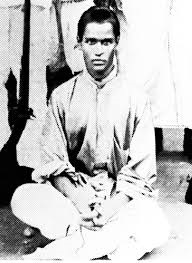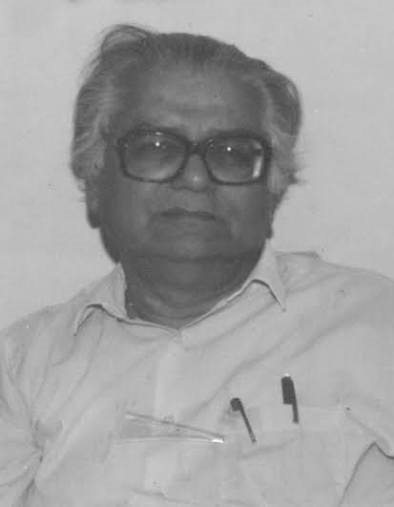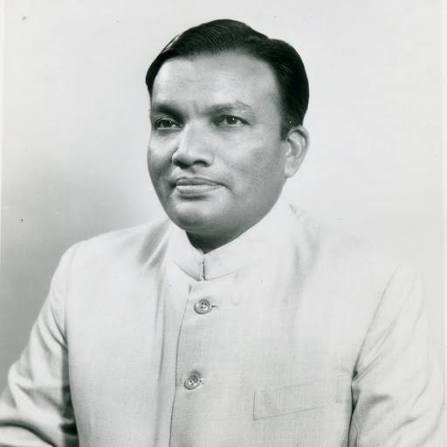
Ambika Chakrabarty was a prominent Indian freedom fighter known for his involvement in the armed revolutionary movement against British rule, especially in Bengal during the early 20th century.
Early Life and Education
Ambika Chakrabarty was born in 1892 in Chittagong (then part of British India, now in Bangladesh). He grew up during a time when nationalist ideas were spreading rapidly across Bengal.
He completed his early education in Chittagong and was influenced by the growing revolutionary atmosphere in Bengal. Like many young patriots of his time, he was deeply affected by British oppression and the partition of Bengal (1905), which fueled his desire to join the independence movement.
Education & Skills
- Received formal schooling in Chittagong
- Trained in physical fitness and revolutionary discipline
- Skilled in handling weapons and underground coordination
- Associated with secret revolutionary organizations
- Developed leadership qualities through revolutionary training
He became actively involved in armed resistance activities and worked closely with other revolutionaries in Bengal.
Contribution to Tamil Literature
Ambika Chakrabarty did not contribute to Tamil literature.
However, his revolutionary life has been remembered in Indian patriotic writings and historical accounts of the freedom struggle.
Role in India’s Freedom Movement
Ambika Chakrabarty played a major role in revolutionary nationalism.
- Active member of the Indian Republican Army (Chittagong group)
- Closely associated with revolutionary leader Surya Sen
- Participated in the famous Chittagong Armoury Raid (1930)
- Took part in attacks on British police and communication systems
- Worked to establish an alternative nationalist government in Chittagong
After the Chittagong uprising, he was arrested by British authorities and sentenced to imprisonment. He spent several years in jail for his revolutionary activities.
Personal Life
Ambika Chakrabarty lived a life dedicated to the freedom struggle. He remained deeply committed to revolutionary ideals. Very limited information is available about his family life, as most records focus on his political activities and imprisonment.
Death
Ambika Chakrabarty survived the colonial imprisonment period and lived after India’s independence. He passed away in independent India (exact detailed public records vary in sources), but he is remembered mainly for his revolutionary contributions rather than his later life.
Conclusion
Ambika Chakrabarty remains an important figure in India’s revolutionary freedom movement. His courage during the Chittagong Armoury Raid and his dedication to armed resistance made him a symbol of youthful patriotism and sacrifice. He is remembered as one of the brave revolutionaries who challenged British rule directly.
About the Author