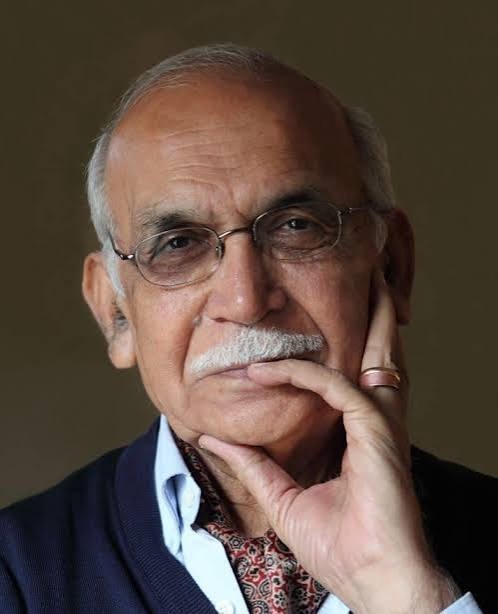
1. Introduction
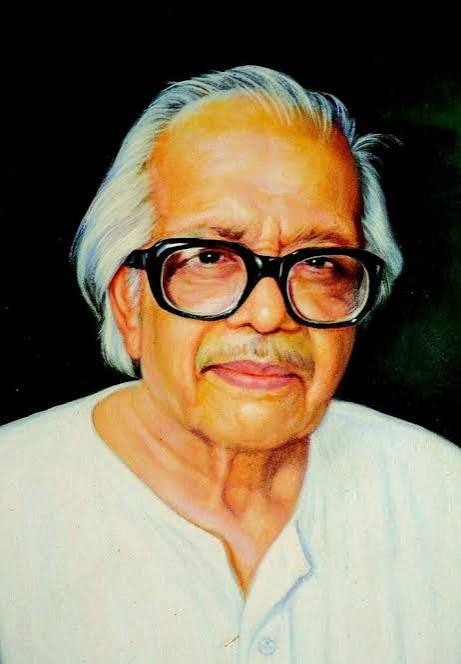
Prof. Brijinder Nath (B. N.) Goswamy was a globally acclaimed Indian art historian, critic, and preeminent authority on Indian miniature paintings—particularly the Pahari school of art. Over a career spanning decades, he revolutionized how the world reads and interprets traditional Indian art by shifting the focus from anonymous styles to individual master painters like Nainsukh and Manaku. A master storyteller and professor, he brought art history alive for millions through his prolific writing, international exhibitions, and engaging lectures.
2. Quick Facts
- Full Name: Brijinder Nath Goswamy (B. N. Goswamy)
- Native Name: ਬ੍ਰਿਜਿੰਦਰ ਨਾਥ গোস্বামী (Punjabi)
- Date of Birth: August 15, 1933
- Place of Birth: Sargodha, Punjab Province, British India (now in Pakistan)
- Nationality: Indian
- Occupation/Profession: Art Historian, Art Critic, Author, Academician, and Professor Emeritus
- Field of Achievement: Fine Arts, Indian Miniature Painting, and Cultural History
- Years Active: 1956–2023 (Spanning nearly seven decades of research, civil service, teaching, and writing)
3. Award Information (Padma Bhushan)
- Award Name: Padma Bhushan
- Award Category: Art / Literature and Education / Public Service
- Award Year: 2008
- Presented By: The President of India (at Rashtrapati Bhavan)
- Date of Ceremony: Republic Day, January 26, 2008
- Citation/Official Reason: For exceptional and distinguished services to the fields of art, literature, and education, particularly for pioneering research into Indian miniature traditions and heritage conservation.
- (Note: He was previously honored with the Padma Shri in 1998.)
4. Why He Received the Award
Prof. B. N. Goswamy was awarded the Padma Bhushan (and earlier the Padma Shri) in recognition of his monumental lifetime contributions to art history and cultural scholarship. His paradigm-shifting research rescued regional Indian painters from historical anonymity, tracing family lineages and contextual frameworks that connected miniature artworks to real human stories, socio-political milieus, and philosophical depths.
5. Early Life
Born in Sargodha (now Pakistan) into the family of B.L. Goswamy, a District and Sessions Judge, B. N. Goswamy spent his early childhood in a disciplined, culturally rich environment. In 1947, amidst the tumultuous Partition of India, his family migrated eastward, eventually settling in Punjab. These early displacement experiences fostered in him a deep resilience, intellectual curiosity, and an enduring fascination with history and heritage.
6. Education
- Schooling & Intermediate Studies: Completed his early schooling across Punjab and intermediate studies at Hindu College, Amritsar.
- Postgraduate Degree: Earned his Master’s degree (M.A.) in History from Panjab University in 1954.
- Doctoral Studies (Ph.D.): Returned to academia after a brief stint in civil service to earn his Ph.D. in History (focusing on Kangra painting and its social backdrop) from Panjab University in 1961, under the guidance of historian Hari Ram Gupta. His doctoral thesis examiners included renowned indologist A. L. Basham and art critic W. G. Archer.
7. Career Journey
- Indian Administrative Service (IAS): Cleared the civil services and served briefly in the Bihar cadre (1956–1958) before resigning to pursue his true calling in art history.
- Academic Tenure: Joined Panjab University in 1962 as a Professor of Art History, establishing and shaping its Department of Fine Arts, where he served for the entirety of his academic life.
- Global Visiting Professorships: Served as a Visiting Professor at prestigious international institutions, including the University of Heidelberg (Germany), the University of California (Berkeley and Los Angeles), the University of Pennsylvania, the University of Texas at Austin, and the University of Zurich.
- Curatorial Work: Curated landmark international exhibitions of Indian art at world-renowned venues like the Museum Rietberg (Zurich) and the Metropolitan Museum of Art (New York).
8. Major Achievements
- The “Family as the Basis of Style” Breakthrough: Published his seminal 1968 paper in Marg, proving that Pahari painters were not anonymous artisans, but belonged to specific generational families (such as Pandit Seu, Nainsukh, and Manaku).
- Prolific Authorship: Authored over 25 major books on Indian art, culture, and miniature painting, including The Spirit of Indian Painting, Nainsukh of Guler, Pahari Masters, and his final work, The Indian Cat (2023).
- Cultural Columns: Penned the widely read and deeply admired weekly column “Art n Soul” in The Tribune for decades, making fine art accessible to common newspaper readers.
9. Contribution to the Nation
Prof. Goswamy single-handedly corrected the Eurocentric and generalized lens through which Indian miniature art was previously viewed. By painstakingly cross-referencing land revenue records, family panda registers (vahi records), and regional archives, he restored dignity, identity, and historical narrative to indigenous Indian creators. Furthermore, through his involvement with the Central Sanskrit Board, the Indian Council of Historical Research (ICHR), and the Chandigarh Lalit Kala Akademi, he shaped national arts policy and institutional education.
10. Other Awards and Honours
- Padma Shri (1998): Conferred by the Government of India.
- Padma Bhushan (2008): Conferred by the Government of India.
- Mellon Senior Fellowship: Awarded by the National Humanities Center, North Carolina.
- Jawaharlal Nehru Fellowship: Honored for advanced research in art history.
- Honorary Degrees & International Citations: Recognized by academic societies across Europe and North America for lifetime achievement in South Asian art studies.
11. Legacy and Influence
Often dubbed an “intellectual rockstar” of the art world, Prof. Goswamy possessed a rare gift: the ability to turn dry historical documentation into captivating narrative performance. He chose not to build a private art collection, believing that knowledge and beauty belong to the public collective. His legacy lives on through his foundational texts, his trained students, and his enduring philosophy that art is a mirror to the human soul.
12. Interesting Facts
- From Bureaucrat to Art Historian: He initially cleared the elite IAS and served as a civil servant in Bihar before choosing to resign because his passion for painting and history outweighed administrative bureaucracy.
- The Cat Chronicles: True to his versatile intellect, just a month before his passing at age 90, he published The Indian Cat (2023), exploring feline representations across Indian stories, poetry, proverbs, and miniature paintings.
- Family of Scholars: He was married to Dr. Karuna Goswamy, an accomplished art historian and academic.
13. Quotes
“Art is never created in a vacuum; it breathes the air of its time, capturing the whispered emotions, social shifts, and philosophical questions of an entire era.” — Prof. B. N. Goswamy
14. Timeline
- 1933: Born on August 15 in Sargodha, British India
- 1947: Migrated to India during the Partition
- 1956: Joined the Indian Administrative Service (IAS)
- 1961: Earned his Ph.D. in History from Panjab University
- 1968: Published his revolutionary research Pahari Painting: The Family as the Basis of Style
- 1998: Conferred with the Padma Shri by the Government of India
- 2008: Conferred with the Padma Bhushan by the President of India
- 2023: Released his final book, The Indian Cat, and passed away on November 17 at the age of 90.
15. References
- Wikipedia – B. N. Goswamy Biography Profile.
- The Tribune Archives – “Art n Soul” Column Collections.
- Marg Publications – Historical Monographs on Pahari and Miniature Art.
- Chandigarh Lalit Kala Akademi – A Layered World Archival Documentation.
16. Related Personalities
- Nainsukh of Guler (The legendary 18th-century Pahari master painter whose life’s work Goswamy famously decoded)
- Dr. Karuna Goswamy (Art historian, academic, and spouse)
- Eberhard Fischer (Renowned art scholar and co-author on several definitive books regarding Pahari masters)
17. Frequently Asked Questions (FAQ)
Q1: Who was Prof. B. N. Goswamy? A: Prof. B. N. Goswamy was a world-renowned Indian art historian and critic recognized globally as the foremost authority on Pahari miniature paintings and Indian art traditions.
Q2: What was his most important discovery in art history? A: He revolutionized the study of Indian miniatures by proving that painters in the hill states were not anonymous craftsmen, but identifiable artists belonging to distinct family lineages, reshaping how museum collections are categorized worldwide.
Q3: What major civilian awards did he receive?A: He was honored with India’s prestigious Padma Shri in 1998 and the Padma Bhushan in 2008.
About the Author