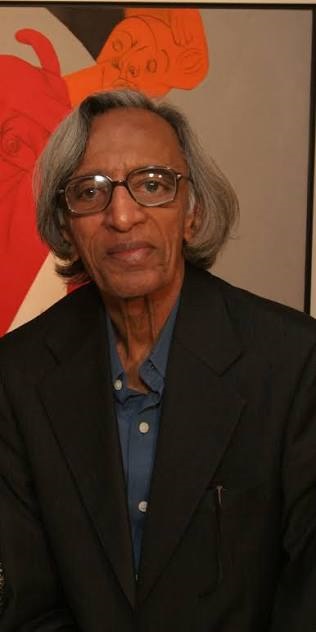
1. Introduction
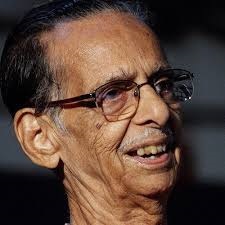
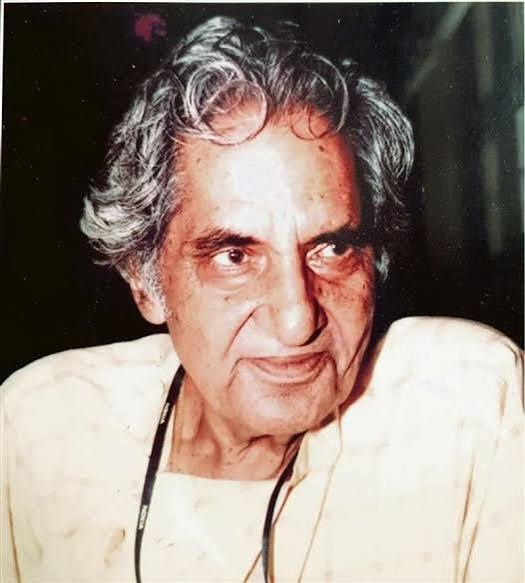
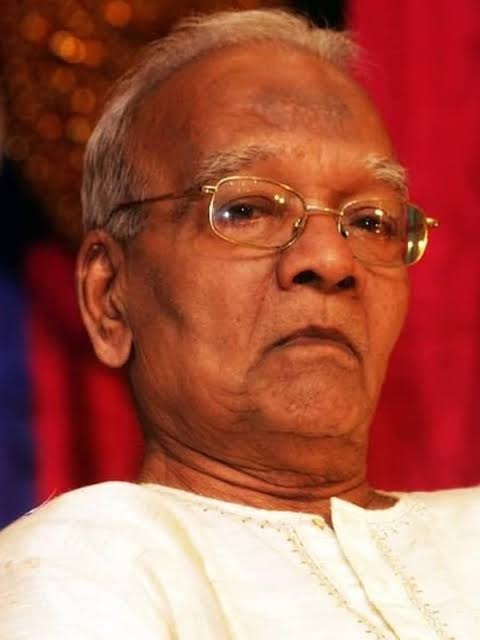
Tyeb Mehta (26 July 1925 – 2 July 2009) was one of India’s most celebrated, distinct, and influential modern artists. As a core member of the legendary Bombay Progressive Artists’ Group—alongside pioneers like F.N. Souza, S.H. Raza, and M.F. Husain—Mehta played a monumental role in shaping post-colonial Indian modernism. His canvases, characterized by striking structural minimalism, expressionistic distortion, and signature diagonal cuts, immortalized human anguish, trauma, and psychological resilience.
2. Quick Facts
- Full Name: Tyeb Badruzzaman Mehta
- Native Name: तय्यब मेहता (طیب مہتا)
- Date of Birth: July 26, 1925
- Place of Birth: Kapadvanj, Kheda district, Gujarat, British India
- Nationality: Indian
- Occupation / Profession: Painter, Sculptor, Printmaker, and Film Editor
- Field of Achievement: Fine Arts, Modern Expressionism, and Contemporary Indian Art Markets
- Years Active: 1940s–2009
3. Award Information (Focus: Padma Bhushan)
- Award Name: Padma Bhushan
- Award Category: Civil Honour (Third-highest civilian award in India)
- Award Year: 2007
- Presented By: Government of India (Conferred by President Dr. A.P.J. Abdul Kalam)
- Date of Ceremony: March 2007
- Citation / Official Reason: For his distinguished service, exceptional mastery, and lifetime contributions to Indian art, culture, and modern painting.
- Previous Recipients (Optional): Prominent artists, scientists, and national figures.
- Next Recipients: Subsequent distinguished achievers in subsequent years.
4. Why They Received the Award?
Tyeb Mehta received the Padma Bhushan—along with the Kalidas Samman (1988) and the Prix Nationale in France (1974)—because he completely transformed the visual grammar of contemporary Indian art. His profound paintings confronted the horrors of human conflict, poverty, and isolation, while his record-breaking global auction sales helped place modern Indian art firmly on the international map.
5. Early Life
Born in 1925 in Kapadvanj, Gujarat, into a Dawoodi Bohra family, Mehta grew up near Crawford Market in Mumbai. In his early youth, he worked briefly as a film editor at Famous Studios in Tardeo. A defining, deeply scarring turning point occurred during the violent Partition riots of 1947 in Mumbai, when he witnessed a man being brutally stoned and beaten to death by a mob. This haunting encounter left an indelible psychological impression, fueling the themes of trauma, fractured anatomy, and human vulnerability that defined his artistic career.
6. Education
- Early Training: Dabbled in film poster painting and initial creative arts.
- Formal Art Education: Enrolled in the prestigious Sir J. J. School of Art in Mumbai, graduating with a Diploma in Painting in 1952.
- International Fellowships: Lived and worked in London (1959–1964), studying Western expressionism, and later traveled to New York in 1968 after receiving a fellowship from the John D. Rockefeller 3rd Fund.
7. Career Journey
- The Progressive Artists’ Group: Joined the avant-garde Bombay Progressive Artists’ Group in the early 1950s, breaking away from traditional academic realism to embrace modernism.
- London & New York Exposure: Absorbed the raw expressionism of Francis Bacon in London and leaned toward stark minimalism during his time in New York.
- Filmmaking Venture: Directed and shot a 3-minute expressionist short documentary film titled Koodal (Meeting Place) at a Mumbai slaughterhouse, winning the Filmfare Critics Award in 1970.
- Santiniketan Residency: Served as an Artist-in-Residence at Kala Bhavana, Santiniketan, between 1984 and 1985.
8. Major Achievements
- The Diagonal Series (1969–1976): Accidentally discovered in 1969 when he flung a bold black streak across his canvas in creative frustration. This dynamic compositional slash split his canvases into geometric fragments, symbolizing division, schism, and spatial tension.
- Auction Milestones: Became the first contemporary Indian artist whose paintings crossed the $1-million mark on international platforms. His monumental triptych Celebration sold for $317,500 at Christie’s in 2002, setting a historic benchmark for Indian art.
- Iconic Mythological Works: Produced powerful, stylized re-interpretations of figures like the Goddess Kali and the demon Mahishasura, locked in intense, violent yet intimate embraces.
9. Contribution to the Nation
Tyeb Mehta gave modern Indian art an uncompromising global voice. By refusing to produce decorative or easily digestible art, he forced viewers to confront raw human emotions and existential realities. His technical rigor, meticulous creative process, and international market success paved the way for a global boom in appreciation for South Asian contemporary art.
10. Other Awards and Honours
- Bombay Art Society Award (1950).
- National Exhibition Award, Lalit Kala Akademi (1965).
- Gold Medal, First New Delhi Triennial (1968).
- Prix Nationale at the International Festival of Painting, Cagnes-sur-Mer, France (1974).
- Kalidas Samman by the Government of Madhya Pradesh (1988).
- Dayawati Modi Foundation Award (2005).
- Padma Bhushan (2007) by the Government of India.
11. Legacy and Influence
Mehta is remembered as a quiet, methodical titan who painted deliberately and produced a relatively small body of work, making his pieces exceptionally rare and coveted. His mastery over space, geometry, and color continues to influence contemporary painters, and his works remain crown jewels in major international galleries and museums, including the National Gallery of Modern Art (NGMA) in New Delhi.
12. Interesting Facts
- The Origin of the Diagonal: His famous “Diagonal” series was born out of pure frustration in 1969 when he took a brush loaded with black paint and angrily slashed it across a canvas, creating an entirely new structural vocabulary.
- Introverted Personality: Despite commanding millions at international art auctions, Mehta lived a remarkably quiet, unpretentious life in Mumbai, avoiding the glamour of high society.
- Slaughterhouse Inspiration: His award-winning short film Koodal was filmed at a Mumbai slaughterhouse to study raw organic textures, flesh, and mortality.
13. Quotes
“Art is a desperate struggle to find order in a chaotic world. When you place a line on canvas, you are trying to anchor your existence.”
“The pain that I witnessed during Partition stayed with me. It entered my strokes, my figures, and my silences.”
14. Timeline
- 1925: Born on July 26 in Kapadvanj, Gujarat.
- 1947: Witnessed the violent Partition riots in Mumbai, a life-altering experience.
- 1952: Graduated from the Sir J. J. School of Art, Mumbai.
- 1959–1964: Lived and worked in London, influenced by Francis Bacon.
- 1968: Awarded the John D. Rockefeller 3rd Fund Fellowship in New York.
- 1970: Won the Filmfare Critics Award for his short film Koodal.
- 2002: His triptych Celebration shattered records at Christie’s auction.
- 2007: Conferred the prestigious Padma Bhushan by the Government of India.
- 2009: Passed away on July 2 in Mumbai at the age of 83.
15. References
- Wikipedia contributors. Tyeb Mehta. Wikipedia, The Free Encyclopedia.
- Tyeb Mehta Foundation & Official Archives. The Artist Biography and Chronology.
- DAG Museums & Gallery7. Tyeb Mehta Artist Profile and Retrospective Exhibitions.
- Cultural India. Tyeb Mehta Life History and Major Paintings.
16. Related Personalities
- F.N. Souza: Co-founder of the Progressive Artists’ Group and pioneer of modern Indian art.
- S.H. Raza: Legendary modernist painter and close contemporary within the PAG circle.
- M.F. Husain: Globally renowned artist and prominent member of the Bombay Progressive Artists’ Group.
17. Frequently Asked Questions (FAQ)
Q1: Who was Tyeb Mehta?
A: Tyeb Mehta was a legendary Indian modern painter, sculptor, and printmaker known for his expressive minimalist style and membership in the Bombay Progressive Artists’ Group.
Q2: What is the “Diagonal Series”?
A: The Diagonal Series is Mehta’s signature body of work created in the 1970s, featuring a bold diagonal slash across the canvas that divides space and symbolizes structural tension and division.
Q3: What major awards did he receive?
A: His major awards include the Kalidas Samman (1988), the Prix Nationale in France (1974), and India’s third-highest civilian honor, the Padma Bhushan (2007).
About the Author