1. Introduction
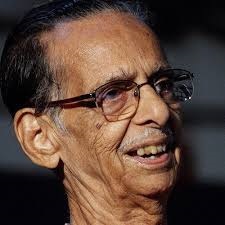
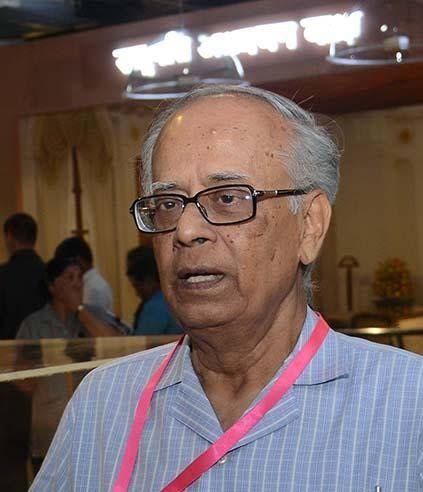
Dr. Saroj Ghose (1 September 1935 – 17 May 2025) was a pioneering Indian science popularizer, museum creator, and administrator, widely celebrated as the “Father of the Science Centre Movement in India”. Over a career spanning six decades, he revolutionized how science is communicated to the public by moving away from silent, glass-case museum exhibits toward interactive, experiential “hands-on” science learning. As the driving force behind the National Council of Science Museums (NCSM) and iconic projects like Science City in Kolkata, he transformed science education for millions.
2. Quick facts
- Full Name: Dr. Saroj Ghose
- Native Name: ড. সরোজ ঘোষ
- Date of Birth: September 1, 1935
- Place Of birth: Calcutta (now Kolkata), Bengal Presidency, British India
- Nationality: Indian
- Occupation/ Profession: Scientist, Museum Maker, Science Popularizer, Academic Administrator
- Field of Achievement: Interactive Museology, Science Communication, Science Education, and Technology Heritage
- Years Active: 1958–2025 (Over six decades of professional contribution)
3. Award Information (Focus: Padma Bhushan)
- Award Name: Padma Bhushan
- Award Category: Civil Honour (Third-highest civilian award in India)
- Award Year: 2007
- Presented By: Government of India (Conferred by President Dr. A.P.J. Abdul Kalam)
- Date of Ceremony: March 2007
- Citation/Official Reason: For his distinguished service and pioneering contributions to science and engineering, specifically for revolutionizing science popularization and building interactive museums across India.
- Previous Recipients (optional): Prominent scientists, technologists, and national leaders.
- Next Recipients: Subsequent distinguished achievers in succeeding years.
4. Why they Receive the award?
Dr. Saroj Ghose received the Padma Bhushan—along with the Padma Shri in 1989—because he completely redefined public science education in India. He conceived and built India’s first mobile science exhibitions, established the country’s extensive network of science centers, served as the President of the International Council of Museums (ICOM) in Paris, and designed world-class immersive spaces like Science City, Kolkata, making science accessible, fun, and engaging for ordinary citizens and children.
5. Early Life
Born on September 1, 1935, in Calcutta during the British Raj, Saroj Ghose grew up with a deep curiosity about mechanics and physical sciences. Raised in an intellectually vibrant environment, he developed a passion for practical engineering early on, which eventually steered him away from conventional industrial paths into the creative domain of public education and science outreach.
6. Education
- Engineering Graduation: Earned his Bachelor’s degree in Electrical and Communication Engineering from Jadavpur University, Kolkata.
- Advanced Research: Conducted extensive research at the prestigious Smithsonian Institution in Washington, D.C. (1971–1974).
- Doctorate (Ph.D.): Received his Ph.D. from Jadavpur University based on his pioneering historical and technical research on “The Introduction and Development of the Electric Telegraph in India”.
7. Carrier Journey
- Joining BITM (1958): Began his professional journey as a technical officer at the newly established Birla Industrial & Technological Museum (BITM) in Kolkata—India’s first science museum.
- Director of BITM (1965–1979): Led BITM, introducing path-breaking educational outreach programs like the Mobile Science Exhibition.
- Director General of NCSM (1979–1997): Served as the founding head of the National Council of Science Museums, spearheading the creation of a vast network of regional and national science centers across India.
- International Leadership: Elected as President of the International Council of Museums (ICOM), UNESCO, Paris (1992–1998), becoming one of the few Indians to lead a major global cultural body.
8. Major Achievements
- Mobile Science Exhibition (1965): Launched buses equipped with interactive science exhibits that traveled deep into rural and semi-urban India, earning a place in the Limca Book of Records as the country’s longest-running non-formal science education program.
- Conceived Science City, Kolkata (1997): Conceptualized and built the Indian subcontinent’s largest science center, a sprawling 50-acre experiential wonderland featuring space theaters, evolutionary parks, and interactive halls.
- High-Tech Storytelling Museums: Designed landmark national projects, including the Parliament Museum and the Rashtrapati Bhavan Museum in New Delhi, and Kolkata Panorama.
9. Contribution to the Nation
Dr. Ghose democratized science in India, ensuring that it was no longer confined to elite academic textbooks or university labs. By taking science directly to rural villages via mobile units and building dynamic science cities where children could touch, play, and experiment, he fostered a deep-rooted scientific temper and rational outlook across generations of young Indians.
10. Other Awards and Honours
- Padma Shri (1989): Conferred by the Government of India for contributions to science and engineering.
- Indira Gandhi Prize (1987): Awarded by the Indian National Science Academy for the Popularization of Science.
- Padma Bhushan (2007): India’s third-highest civilian honor.
- J.B.S. Haldane Award (2012): For outstanding interaction between science and society.
- Honorary Membership, ICOM (2016): Highest global recognition from the International Council of Museums.
11. Legacy and Influence
Remembered universally as the architect of India’s interactive museum culture, Dr. Ghose’s design philosophies and structural models continue to guide science centers across South Asia and the developing world. His insistence that museums must be “hands-on” and entertaining changed global museology standards forever.
12. Interesting Facts
- The Body Donated to Science: True to his lifelong devotion to science, upon his passing in May 2025 at the age of 89 in Seattle, USA, he donated his body to the University of Washington Willed Body Program for medical research.
- Global First: Under his leadership, the Indian science museum model was so successful that parts of it were replicated or consulted on internationally, including designing science exhibition frameworks for nations like Yemen.
13. Quotes
“Science cannot remain locked inside textbooks or elite laboratories; it must step out into the open courtyard so that every child can touch it, question it, and wonder.”
“A science museum is not a warehouse of dead objects; it is a living theater where discovery happens through the hands of the visitor.”
14. Timeline
- 1935: Born on September 1 in Calcutta, British India.
- 1958: Joined the newly formed Birla Industrial & Technological Museum (BITM).
- 1965: Launched India’s first Mobile Science Exhibition program.
- 1979: Appointed Director General of the newly formed National Council of Science Museums (NCSM).
- 1989: Awarded the Padma Shri by the Government of India.
- 1992–1998: Served as President of the International Council of Museums (ICOM), UNESCO, Paris.
- 1997: Inaugurated the massive Science City in Kolkata.
- 2007: Conferred the Padma Bhushan by President Dr. A.P.J. Abdul Kalam.
- 2025: Passed away on May 17 in Seattle, USA, at the age of 89.
15. References
- Wikipedia contributors. Saroj Ghose. Wikipedia, The Free Encyclopedia.
- The Hindu. Saroj Ghose, father of India’s science museum movement, passes away (May 2025).
- Press Information Bureau (PIB), Government of India. Dr. Saroj Ghose: The Father of Science Centre Movement in India.
- National Council of Science Museums (NCSM) Archives. History and Milestones.
16. Related Personalities
- Dr. A.P.J. Abdul Kalam: Former President of India and aerospace scientist who shared a mutual appreciation for science education and conferred the Padma Bhushan.
- Jawaharlal Nehru: India’s first Prime Minister, whose vision of cultivating a “scientific temper” heavily inspired early science museum pioneers like Dr. Ghose.
17. Frequently Asked Questions (FAQ)
Q1: Who was Dr. Saroj Ghose?
A: Dr. Saroj Ghose was a legendary Indian scientist and museum creator widely known as the “Father of the Science Centre Movement in India” for revolutionizing public science education.
Q2: What are his most famous creations?
A: His most notable works include launching India’s Mobile Science Exhibitions, establishing the National Council of Science Museums (NCSM), and conceptualizing Science City in Kolkata.
Q3: What major awards did he receive?
A: He was honored with the Padma Shri in 1989 and India’s third-highest civilian award, the Padma Bhushan, in 2007.
About the Author