1. Introduction
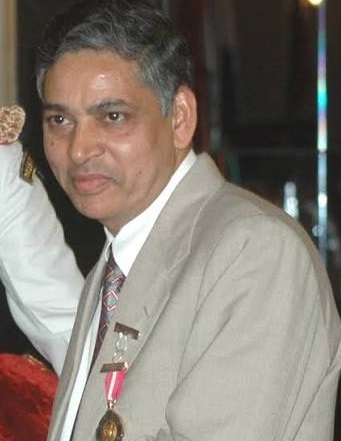
Dr. Kewal Kishan Talwar (born 30 April 1946) is one of India’s most celebrated cardiologists and medical educators. A pioneer in the field of advanced heart care, he is internationally renowned for introducing and implanting the first Implantable Cardioverter Defibrillator (ICD) and Cardiac Resynchronization Therapy (CRT) in India, revolutionizing the treatment of heart failure and rhythm disorders. Having served in premier institutional leadership roles—including Director of the Post Graduate Institute of Medical Education and Research (PGIMER), Chandigarh, and Chairman of the Board of Governors of the Medical Council of India (MCI)—he has left a towering legacy in clinical practice, medical research, and healthcare administration.
2. Quick Facts
- Full Name: Kewal Kishan Talwar (K.K. Talwar)
- Native Name: केवल किशन तलवार
- Date of Birth: April 30, 1946
- Place of Birth: Jalandhar, Punjab, British India
- Nationality: Indian
- Occupation / Profession: Cardiologist, Medical Researcher, Academic Administrator, Professor
- Field of Achievement: Cardiology, Electrophysiology, Heart Failure Management, and Medical Education
- Years Active: 1970s–Present (Decades of clinical practice, teaching, and national healthcare leadership)
3. Award Information (Focus: Padma Bhushan)
- Award Name: Padma Bhushan
- Award Category: Civil Honour (Third-highest civilian award in India)
- Award Year: 2006
- Presented By: Government of India (Conferred by President Dr. A.P.J. Abdul Kalam)
- Date of Ceremony: March 2006
- Citation / Official Reason: For his pioneering contributions to medicine, especially cardiology, and exceptional service in medical education and healthcare infrastructure development.
- Previous Recipients (Optional): Prominent medical scientists, doctors, and national leaders.
- Next Recipients: Subsequent distinguished achievers in succeeding years.
4. Why They Receive the Award?
Dr. K.K. Talwar received the Padma Bhushan—along with the prestigious Dr. B. C. Roy Award (India’s highest medical honor)—because he fundamentally transformed cardiac care in India. By introducing advanced device therapies for heart failure and lethal arrhythmias, he saved countless lives. Furthermore, his tireless dedication to medical education, institutional governance at AIIMS and PGIMER, and ethical standards in healthcare administration earned him the nation’s highest reverence.
5. Early Life
Born on April 30, 1946, in Jalandhar, Punjab, just prior to India’s independence, Dr. Talwar grew up with an innate passion for science and healing. Demonstrating exceptional academic brilliance from an early age, he pursued medicine with a singular resolve to alleviate human suffering and elevate the standards of medical care in developing regions.
6. Education
- Medical Graduation (MBBS): Completed his foundational medical education from a premier medical institution in northern India.
- Post-Graduation (MD in Medicine): Earned his advanced medical degrees with top honors.
- Super-Specialization (DM in Cardiology): Trained extensively in cardiology, mastering invasive and non-invasive cardiac procedures before pursuing advanced fellowships abroad to study cutting-edge cardiac electrophysiology.
7. Career Journey
- Early Academic & Clinical Roles: Served as a faculty member and senior cardiologist at premier institutions, including the All India Institute of Medical Sciences (AIIMS), New Delhi, where he built a world-class electrophysiology unit.
- Directorship of PGIMER: Appointed as the Director of the Post Graduate Institute of Medical Education and Research (PGIMER), Chandigarh, where he modernized patient care, research facilities, and postgraduate training.
- Leadership at MCI: Headed the Board of Governors of the Medical Council of India (MCI), steering critical medical education reforms and ethical standards.
- Current & Private Sector Leadership: Has held senior advisory and clinical roles at leading private healthcare institutions, including Max Healthcare and Fortis Group, continuing to mentor younger cardiologists.
8. Major Achievements
- Pioneered ICD and CRT in India: Performed the country’s first successful implantations of the Implantable Cardioverter Defibrillator (1995) and Cardiac Resynchronization Therapy for heart failure.
- Groundbreaking Research: Published extensive clinical research in top-tier international medical journals on arrhythmogenesis, heart muscle diseases (cardiomyopathies), and pacemaker therapy.
- Institutional Modernization: Spearheaded advanced cardiac care infrastructure in public institutions, enabling affordable access to world-class medical technology for underprivileged patients.
9. Contribution to the Nation
Dr. Talwar placed Indian cardiology on the global map by demonstrating that cutting-edge cardiac device therapy could be successfully and safely performed in Indian hospitals. Through his leadership at AIIMS, PGIMER, and the MCI, he shaped national health policy, raised the bar for post-graduate medical education, and mentored generations of doctors who now lead departments across the globe.
10. Other Awards and Honours
- Dr. B. C. Roy National Award: India’s highest medical honor, conferred for excellence in medical practice and research.
- Padma Bhushan (2006): Conferred by the President of India for lifetime achievements in medicine.
- Fellowships of International Academies: Honored with prestigious fellowships by global cardiology societies and associations.
- Lifetime Achievement Awards: Recognized repeatedly by the Cardiological Society of India (CSI) and various national universities.
11. Legacy and Influence
Dr. Talwar is regarded as a patriarch of Indian cardiology, particularly in the specialized domain of cardiac electrophysiology and heart failure pacing. His meticulous clinical acumen, combined with gentle bedside manners and uncompromising academic rigor, has defined the ideal archetype of an Indian physician-scientist.
12. Interesting Facts
- The Pioneer’s Risk: When he first introduced ICDs in India during the mid-1990s, the technology was prohibitively expensive and novel; his pioneering clinical trials paved the way for acceptance and insurance backing in the country.
- Relentless Work Ethic: Even while managing massive administrative burdens as Director of PGIMER, he never abandoned his clinical duties or teaching rounds, often spending over 12 hours a day in hospitals.
13. Quotes
“Medicine is not merely a profession of technical skill; it is a sacred covenant of empathy, ethics, and relentless scientific curiosity.”
“The true measure of a nation’s healthcare progress is not just in high-tech hospitals, but in how seamlessly that care reaches the poorest patient at the grassroots.”
14. Timeline
- 1946: Born on April 30 in Jalandhar, Punjab.
- 1970s–1980s: Completed rigorous medical training and specialized in cardiology at premier institutes like AIIMS.
- 1995: Successfully implanted India’s first Implantable Cardioverter Defibrillator (ICD).
- 2004–2009: Served as Director of the Post Graduate Institute of Medical Education and Research (PGIMER), Chandigarh.
- 2006: Conferred the prestigious Padma Bhushan by President Dr. A.P.J. Abdul Kalam.
- 2010s–Present: Continued advisory, clinical, and leadership roles in premier corporate hospitals and medical councils.
15. References
- Wikipedia contributors. Kewal Kishan Talwar. Wikipedia, The Free Encyclopedia.
- Cardiological Society of India (CSI) Archives. Profiles of Eminent Indian Cardiologists.
- PGIMER Chandigarh Official Records. Past Directors of the Institute.
- Published peer-reviewed research papers in the Indian Heart Journal and international cardiology periodicals.
16. Related Personalities
- Dr. A.P.J. Abdul Kalam: Former President of India who presented the Padma Bhushan to Dr. Talwar.
- Dr. B.C. Roy: Legendary physician whose namesake award recognizes India’s top medical achievers.
- Prominent Indian Cardiologists & Protégés: Various senior heads of cardiology departments trained under Dr. Talwar at AIIMS and PGIMER.
17. Frequently Asked Questions (FAQ)
Q1: Who is Dr. Kewal Kishan Talwar?
A: Dr. K.K. Talwar is a legendary Indian cardiologist and medical educator known for introducing life-saving cardiac devices like ICDs and CRT to India.
Q2: What are his major medical milestones?
A: He performed India’s first successful implantation of an Implantable Cardioverter Defibrillator (ICD) in 1995 and served as Director of PGIMER, Chandigarh, and head of the Medical Council of India’s Board of Governors.
Q3: What major awards has he received?
A: He has received India’s highest medical honor, the Dr. B.C. Roy Award, and the nation’s third-highest civilian honor, the Padma Bhushan (2006).
About the Author