

1. Introduction
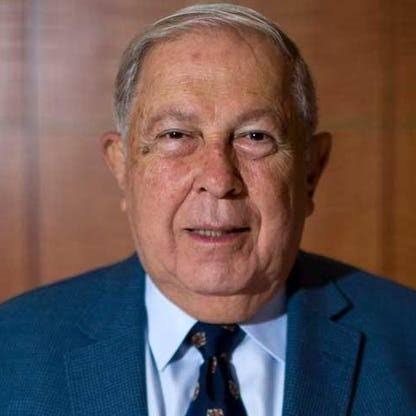
Dr. Yusuf Hamied (born July 25, 1936) is an iconic Indian scientist, billionaire businessman, and the former Chairman of Cipla. Globally celebrated as a humanitarian savior for the developing world, he revolutionized the global healthcare landscape by aggressively challenging Western pharmaceutical monopolies to provide life-saving AIDS and cancer medications to millions of poor patients at a fraction of their original cost. His unwavering commitment to affordable medicine earned him international acclaim and India’s prestigious Padma Bhushan.
2. Quick Facts
- Full Name: Yusuf Khwaja Hamied
- Native Name: یوسف خواجہ حمید (Urdu)
- Date of Birth: July 25, 1936
- Place of Birth: Vilnius, Lithuania
- Nationality: Indian
- Occupation / Profession: Chemist, Pharmaceutical Industrialist, Philanthropist
- Field of Achievement: Affordable Healthcare, Generic Pharmaceuticals, and Organic Chemistry
- Years Active: 1960s – Present
3. Award Information (Focus: Padma Bhushan)
- Award Name: Padma Bhushan
- Award Category: Trade and Industry / Medicine
- Award Year: 2005
- Presented By: The President of India at Rashtrapati Bhavan
- Date of Ceremony: Spring 2005
- Citation / Official Reason: For distinguished service of a high order and exceptional contributions to the pharmaceutical sector, industrial innovation, and public health accessibility.
4. Why Did He Receive the Award?
Dr. Yusuf Hamied received the Padma Bhushan in recognition of his monumental role in transforming India into the “pharmacy of the developing world.” He was specifically honored for his fearless defiance of global patent regimes, which enabled Cipla to manufacture low-cost antiretroviral (ARV) drugs during the peak of the African HIV/AIDS crisis, single-handedly saving millions of lives across the globe.
5. Early Life
Born in Vilnius, Lithuania, in 1936 to an Indian Muslim father (Dr. K. A. Hamied, founder of Cipla) and a Lithuanian Jewish mother (Luba Derczansky), Yusuf Hamied’s early life was marked by cross-cultural displacement. His family fled Europe ahead of World War II, finding refuge in India. Growing up in pre- and post-independence Bombay, he was steeped in his father’s vision of making India self-reliant in essential medicines and healthcare.
6. Education
- Early Education: Completed his schooling at the Cathedral and John Connon School in Bombay.
- Higher Education: Proceeded to the University of Cambridge, United Kingdom, where he excelled in natural sciences.
- Doctorate (Ph.D.): Earned his Bachelor’s, Master’s, and Ph.D. in Organic Chemistry from Christ College, Cambridge, in the late 1950s, studying under the legendary Nobel laureate Alexander Todd.
7. Career Journey
- Joining Cipla: Returned to India in 1960 and joined Cipla (The Chemical, Industrial & Pharmaceutical Laboratories), initially working on the bench as an organic chemist developing indigenous drug processes.
- Leadership and Expansion: Ascended through the ranks to lead the company as Managing Director and later Chairman, building it into a global generic pharmaceutical powerhouse.
- Pioneering Patent Defiance: In 2001, he made global headlines by offering a cocktail of life-saving AIDS drugs for just $1 a day (under $300 a year) to developing nations, shocking multinational giants and altering global health policy.
8. Major Achievements
- The $1-a-Day AIDS Breakthrough (2001): Credited with single-handedly shifting the trajectory of the global HIV/AIDS epidemic by making treatment accessible to Sub-Saharan Africa and the Global South.
- Champion of the Indian Patents Act of 1970: Played a vital role in lobbying for and capitalizing on India’s Patent Act, which recognized process patents rather than product patents, allowing Indian labs to reverse-engineer essential medicines legally.
- Global Recognition: Named among Time magazine’s Global 50 Heroes of South Asia (2004) and awarded an honorary Doctorate of Science by Cambridge University (2014).
9. Contribution to the Nation
Dr. Hamied ensured that India earned its title as the “Pharmacy of the World.” By developing indigenous, low-cost manufacturing processes for critical bulk drugs and life-saving medications, he made advanced healthcare accessible not only to millions of Indians but to the entire developing world. His corporate philosophy prioritized human life over exorbitant profit margins.
10. Other Awards and Honours
- Padma Bhushan: 2005 (Government of India)
- Lifetime Achievement Awards: Conferred by multiple economic and pharmaceutical bodies, including Express Pharma and the Indian Pharmaceutical Association.
- Honorary Doctorate: University of Cambridge (2014), recognizing his contributions to science and humanity.
- CHEMTECH CEW Hall of Fame: Honored for pioneering leadership in chemical engineering and pharmaceuticals.
11. Legacy and Influence
Dr. Hamied is revered globally as a corporate rebel with a conscience. His life’s work demonstrated that pharmaceutical corporations can be both commercially viable and deeply humanitarian. The chemistry laboratories and scholarship funds he established at Cambridge and institutions across India continue to nurture the next generation of scientific minds.
12. Interesting Facts
- The Cambridge Connection: Decades after earning his Ph.D., Dr. Hamied maintained a deep bond with Cambridge University, donating millions to support chemistry students and funding the Yusuf Hamied Department of Chemistry.
- A True Bench Chemist: Despite running a multi-billion-dollar enterprise, he always retained the soul of a bench chemist, often tracking complex organic synthesis processes personally.
- Real-Life Hero: His 2001 intervention against Western pharmaceutical giants became the subject of extensive international case studies, documentaries, and books on global health ethics.
13. Quotes
“Medicine is a noble profession and a basic human right. No one should be denied a chance at survival simply because they cannot afford the price tag.” — Dr. Yusuf Hamied
14. Timeline
- 1936: Born on July 25 in Vilnius, Lithuania.
- 1960s: Completes his Ph.D. at Cambridge University and returns to India to join Cipla.
- 1970s: Helps champion the Indian Patents Act, laying the foundation for India’s generic drug industry.
- 2001: Shocks the world by offering AIDS drugs for $1 a day to developing nations, halting a global health catastrophe.
- 2005: Conferred the Padma Bhushan by the Government of India.
- 2014: Receives an honorary Doctor of Science degree from Cambridge University.
- Present: Continues his philanthropic missions and advocacy for global healthcare equality.
15. References
- Wikipedia – Yusuf Hamied Biography & Career
- The New York Times & The Guardian – Archives on the 2001 AIDS Drug Crisis & Cipla
- University of Cambridge – Yusuf Hamied Department of Chemistry Records
- Government of India – Padma Awards Directory
16. Related Personalities
- Dr. K. A. Hamied (Father and Founder of Cipla)
- Nelson Mandela (South African leader who championed Hamied’s AIDS treatment initiative)
- Alexander Todd (Nobel Laureate and Cambridge Mentor)
17. Frequently Asked Questions (FAQ)
- Q: Who is Dr. Yusuf Hamied?
- A: He is an Indian pharmaceutical scientist, billionaire industrialist, and former Chairman of Cipla, renowned for providing affordable life-saving drugs to the developing world.
- Q: What was his major contribution to global health?
- A: In 2001, he offered anti-retroviral AIDS drugs for $1 a day to developing nations, breaking Western monopolies and saving millions of lives during the HIV/AIDS epidemic.
- Q: What major civilian award has he received?
- A: He was awarded the Padma Bhushan in 2005 by the Government of India for his exceptional contributions to medicine and industry.
About the Author




