

1. Introduction
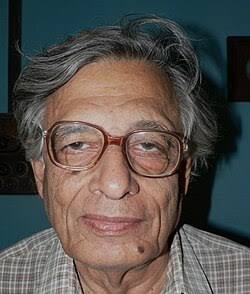
Professor Irfan Habib is a towering figure in Indian historiography, globally renowned for his meticulous, evidence-based research on the economic and social history of medieval India. As a distinguished Marxist scholar associated with the legendary Aligarh school of history, his seminal work The Agrarian System of Mughal India completely revolutionized how historians analyze rural economies, agrarian structures, and state power. Beyond the archive, he is a fearless public intellectual who has spent decades passionately defending secularism, historical objectivity, and scientific temper in India.
2. Quick Facts
- Full Name: Irfan Mohammad Habib
- Native Name: عرفان حبیب (Urdu)
- Date of Birth: August 12, 1931
- Place of Birth: Barabanki, United Provinces, British India (now in Uttar Pradesh, India)
- Nationality: Indian
- Occupation / Profession: Historian, Academician, Professor, Public Intellectual
- Field of Achievement: Medieval Indian History, Historical Geography, and Economic Historiography
- Years Active: 1950s – Present
3. Award Information (Focus: Padma Bhushan)
- Award Name: Padma Bhushan
- Award Category: Literature and Education / Social Science
- Award Year: 2005
- Presented By: The President of India at Rashtrapati Bhavan
- Date of Ceremony: Spring 2005
- Citation / Official Reason: For distinguished service of a high order and exceptional contributions to historical scholarship, education, and literature.
4. Why Did He Receive the Award?
Prof. Irfan Habib received the Padma Bhushan in recognition of his monumental lifetime contributions to historical research and higher education. He was honored for transforming the study of medieval Indian economic history through rigorous archival methodology, as well as for his decades of teaching and mentoring generations of historians at Aligarh Muslim University (AMU).
5. Early Life
Born in August 1931 into an extraordinarily accomplished and intellectual family, Irfan Habib grew up in an atmosphere deeply charged with nationalistic fervor and academic rigor. His father, Professor Mohammad Habib, was a legendary historian and freedom fighter, and his grandfather was the eminent scholar and educationist. Growing up surrounded by books, political discourse, and secular-democratic ideals, Habib developed an early passion for historical inquiry rooted in material and social realities.
6. Education
- Early Education: Completed his foundational schooling under progressive family guidance.
- Undergraduate & Postgraduate Studies: Earned his B.A. (Honours) and M.A. in History from Aligarh Muslim University (AMU), securing top academic honors.
- Doctoral Research (D.Phil.): Traveled to England to complete his D.Phil. at Oxford University (Balliol College) in the late 1950s, sharpening his analytical frameworks in economic and agrarian history under British academic guidance.
7. Career Journey
- Academic Tenure at AMU: Returned to India to join the Department of History at Aligarh Muslim University, where he spent his entire professional life as Professor of History, shaping it into a global epicenter of medieval historical studies.
- Leadership Roles: Served as the General President of the Indian History Congress (IHC) multiple times and played a vital role in drafting foundational historical resource volumes.
- Public Intellectual & Writer: Authored numerous critical works, edited classic historical texts, and consistently engaged in public debates advocating for scientific temper and secularism.
8. Major Achievements
- Magnum Opus – The Agrarian System of Mughal India (1556–1707) (1963): Published a masterpiece that redefined economic history, meticulously mapping land revenue, peasant exploitation, and class relations under the Mughals.
- The Padma Bhushan (2005): Conferred India’s third-highest civilian honor in recognition of a lifetime of unparalleled scholarly output.
- Institutionalizing Historical Integrity: Instrumental in producing critical compilations like An Atlas of the Mughal Empire and translating or editing key historical texts from Persian and Arabic sources.
9. Contribution to the Nation
Prof. Habib shifted the focus of Indian history away from mere dynastic chronicles toward the socio-economic conditions of ordinary people, peasants, and workers. By demonstrating how historical analysis must rely strictly on verifiable, contemporary archival sources rather than myths or political convenience, he provided Indian academia with a rigorous framework for objective historical truth.
10. Other Awards and Honours
- Padma Bhushan: 2005 (Government of India)
- General President: Indian History Congress (Multiple terms)
- Fellowships and Honors: Conferred numerous lifetime achievement recognitions by premier historical and academic bodies across South Asia.
11. Legacy and Influence
Prof. Irfan Habib stands as a titan of the Aligarh school of Marxist historiography. His uncompromising insistence on empirical data, Persian source accuracy, and materialist analysis has influenced nearly every major scholar of medieval Indian history working today. His vast body of published work remains foundational reading for universities worldwide.
12. Interesting Facts
- An Impeccable Pedigree: He belongs to a rare lineage where both his father (Prof. Mohammad Habib) and his son (S. Irfan Habib, a noted historian of science) maintained a lifelong dedication to history, science, and secularism.
- Encyclopedic Memory: Colleagues and students often marvel at his photographic memory for primary Persian manuscripts, frequently citing obscure tax rolls or chronologies from memory during debates.
- Fearless Debater: Known for his sharp wit and absolute intolerance for pseudohistory, Habib has never shied away from public intellectual battles to defend secular values.
13. Quotes
“History is not a mythology to be manufactured for political convenience; it is a rigorous science of human experience based on verifiable evidence.” — Prof. Irfan Habib
14. Timeline
- 1931: Born on August 12 in Barabanki, British India.
- 1950s: Completes his education at AMU and goes to Oxford for his D.Phil.
- 1963: Publishes his monumental work, The Agrarian System of Mughal India.
- 2005: Conferred the Padma Bhushan by the President of India.
- Present: Continues to write, lecture, and critique contemporary socio-historical trends from Aligarh.
15. References
- Wikipedia – Irfan Habib Biography & Bibliography
- Aligarh Muslim University (AMU) – Department of History Archives
- Frontline & The Hindu – Interviews and Scholarly Essays on Habib’s Historiography
- Government of India – Padma Awards Directory
16. Related Personalities
- Mohammad Habib (Father and Eminent Historian)
- S. Irfan Habib (Son and Historian of Science)
- D.D. Kosambi (Pioneer of Marxist Historiography in India)
- Ram Sharan Sharma (Renowned Ancient Indian Historian)
17. Frequently Asked Questions (FAQ)
- Q: Who is Prof. Irfan Habib?
- A: He is a preeminent Indian historian and Marxist scholar globally known for his definitive research on the economic and social history of medieval India.
- Q: What is his most famous book?
- A: His most celebrated masterpiece is The Agrarian System of Mughal India (1556–1707), published in 1963.
- Q: What major civilian award has he received?
- A: He was awarded the Padma Bhushan in 2005 by the Government of India for his contributions to literature, education, and historical scholarship.
About the Author




